Dacia has officially unveiled the new generation of the Spring, and the changes run considerably deeper than the familiar name might suggest. The first Spring arrived with an unusual backstory: its origins lay in a model originally developed for the Indian market, later adapted into an electric car in China. The new version comes from a very different place. It has been developed on Renault Group’s RG-EV Small platform, shared with the new Twingo, and is built in Europe at the Novo Mesto plant in Slovenia. It also marks the beginning of a much larger electric programme, with Dacia planning four new EVs by 2030.
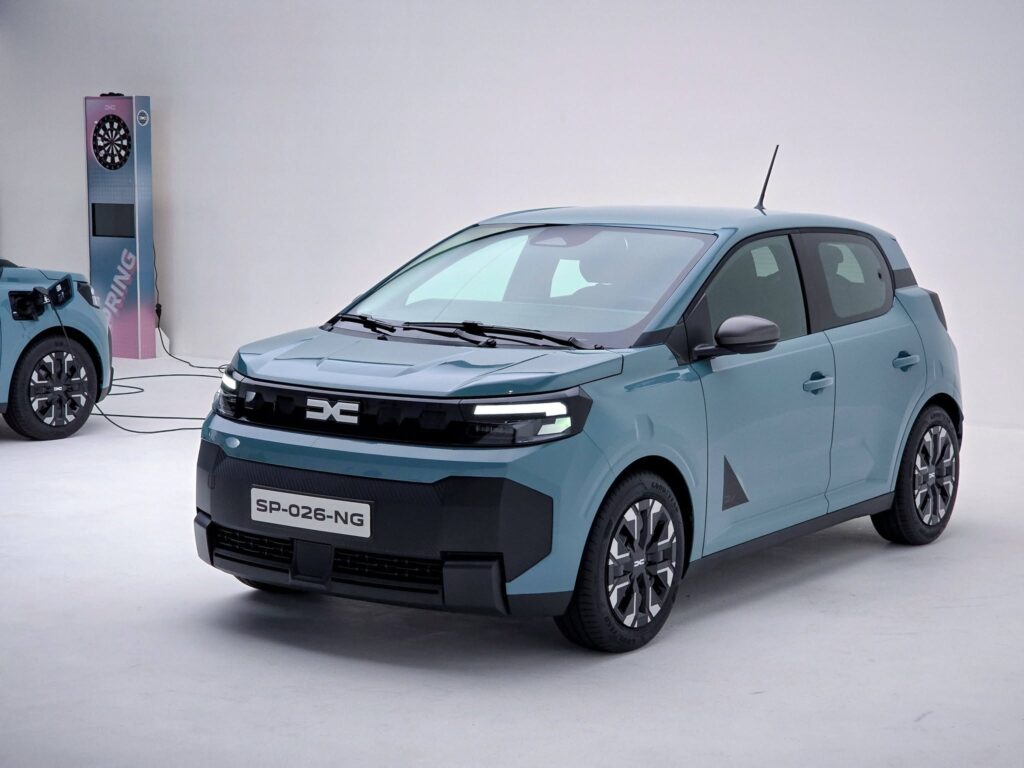
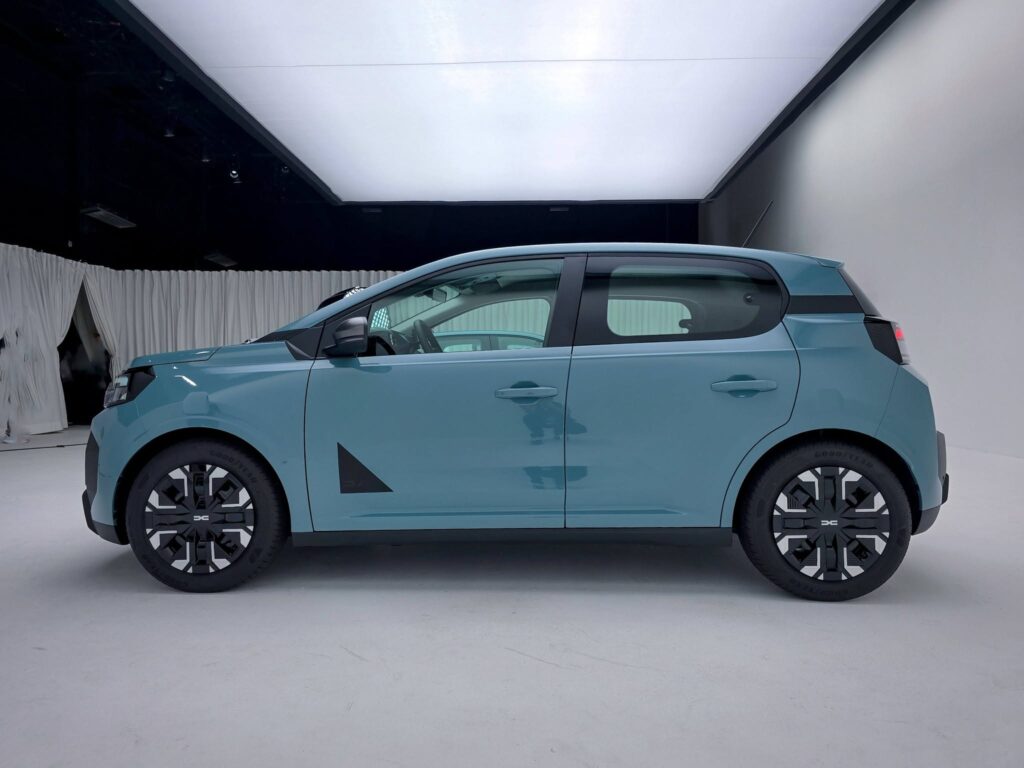
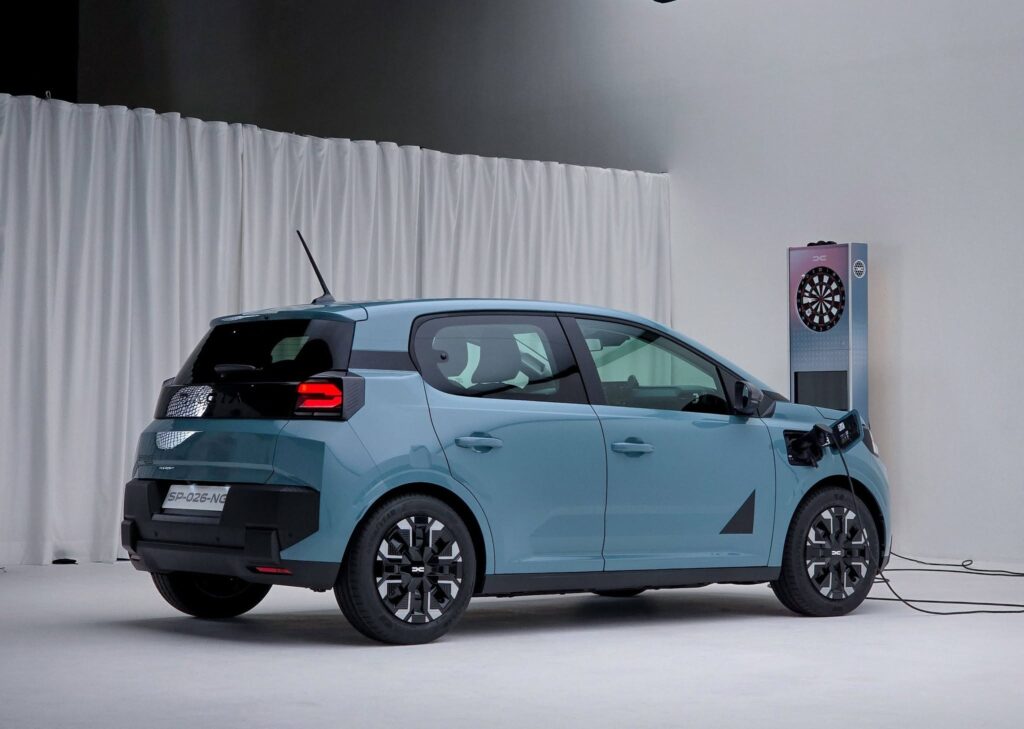
The most obvious change is found in the car’s proportions. The new Spring stretches an additional 15 centimetres in length and gains 18 centimetres in width, a substantial increase for a car that remains firmly within the city-car category. Those extra centimetres should translate into a more generous cabin and, perhaps more importantly, a more settled road presence. The previous Spring was many things, but composure behind the wheel was hardly its defining quality.
Underneath the new bodywork, Dacia has taken a remarkably straightforward approach. Every version uses the same 60 kW electric motor, producing 80 hp and 175 Nm, paired with a 27.5 kWh LFP battery. WLTP range stands at 250 kilometres, while 0–100 km/h takes 12.1 seconds and top speed reaches 130 km/h.
AC charging at 6.6 kW comes as standard. Buyers opting for the Charge package gain 11 kW AC charging and DC charging of up to 50 kW, allowing the battery to move from 15 to 80 per cent in 28 minutes. At a minimum kerb weight of 1,212 kg, the Spring remains among the lightest electric cars in the A-segment. Its claimed WLTP consumption of 12.7 kWh/100 km is central to that efficiency.
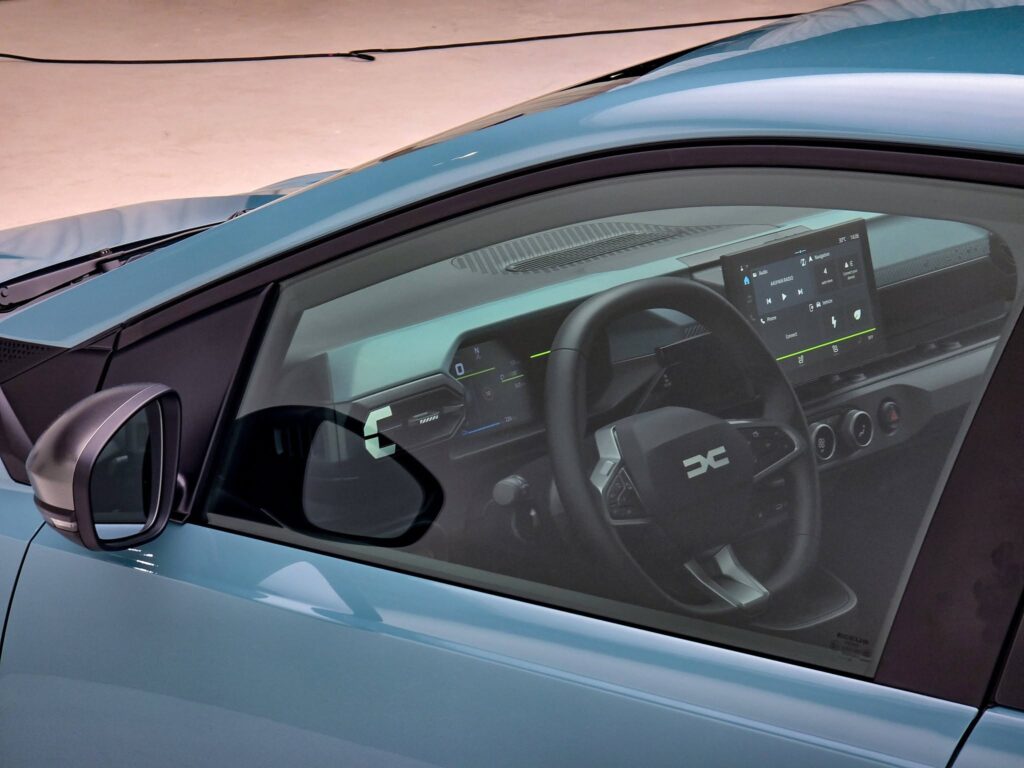
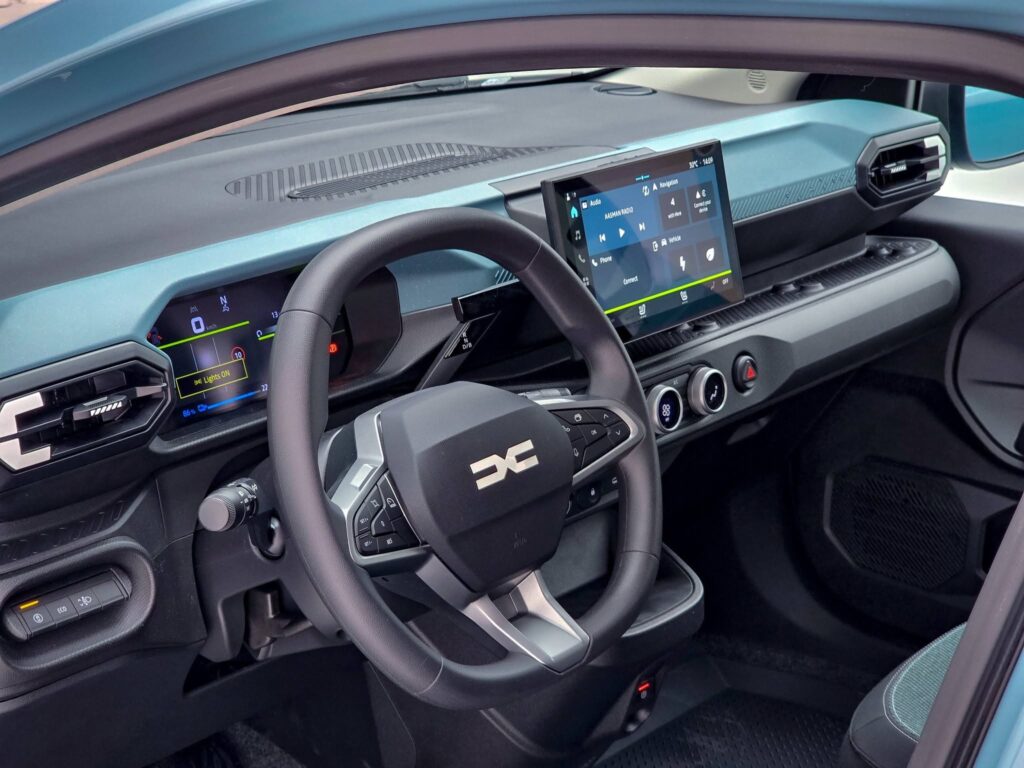
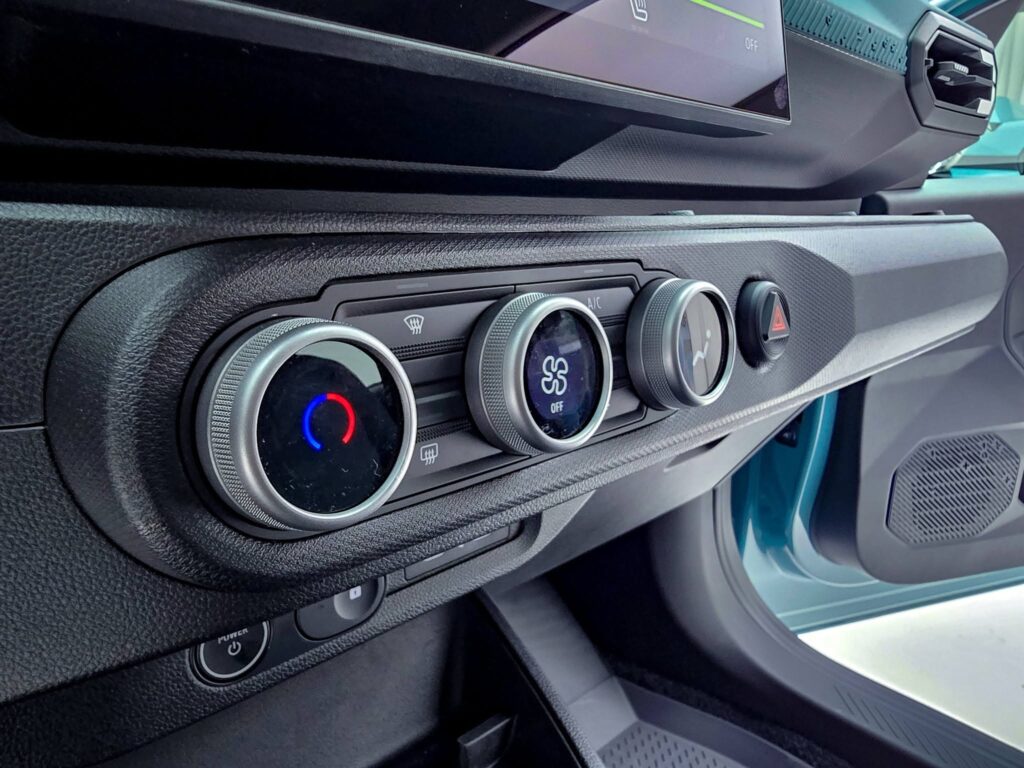
Inside, the difference is even easier to register. A seven-inch digital instrument cluster is standard across the range, while the Journey version receives a 10.1-inch multimedia display with connected navigation, Apple CarPlay and Android Auto. The driving position gains additional adjustment for both the seat and steering wheel, while the increased width addresses one of the old car’s more obvious shortcomings: there is finally enough space between driver and passenger for everyday journeys to feel properly civilised.
Practicality remains one of the Spring’s strongest arguments. The boot offers up to 337 litres, expanding to 1,283 litres with the rear seats folded. There is also an 18-litre storage compartment beneath the bonnet, an unusual feature in this class and one that adds useful capacity without demanding more exterior volume.
The exterior follows Dacia’s latest design language, replacing some of the previous car’s visual softness with more geometric surfaces, pronounced volumes and generous areas of textured plastic. The front protection element is particularly conspicuous, extending across the nose in a broad shape that may divide opinion. It also reflects the logic behind the Spring: urban driving brings its own minor impacts, scrapes and encounters, and Dacia has chosen materials and forms that can absorb some of that punishment without turning every small incident into an expensive repair.
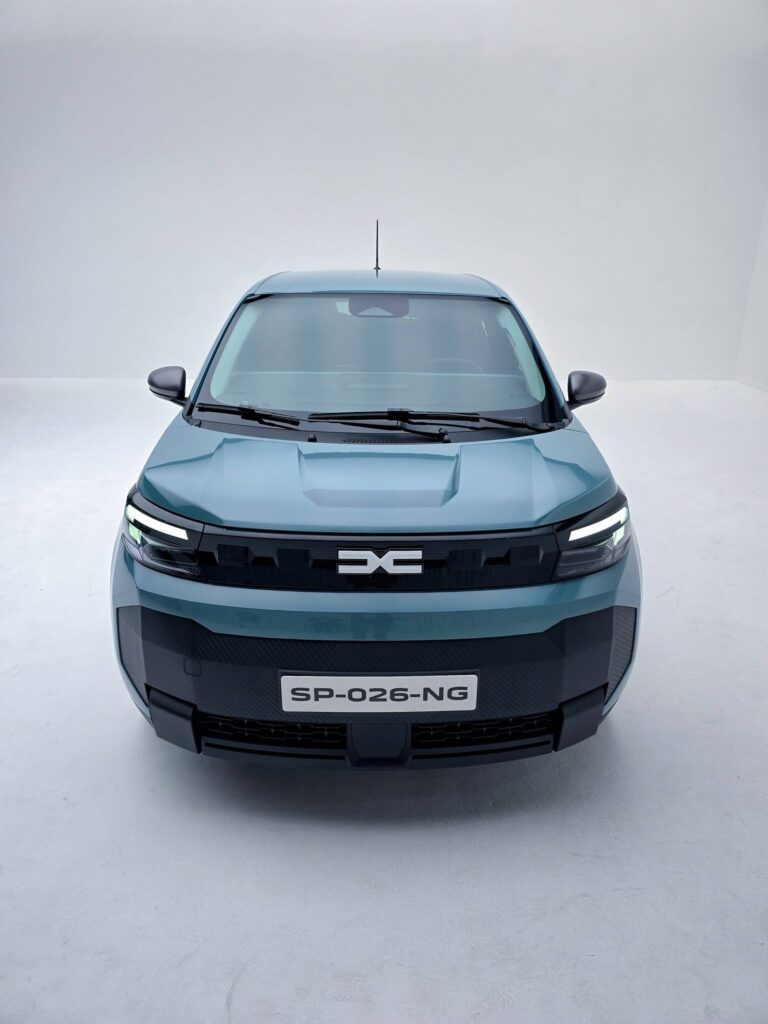
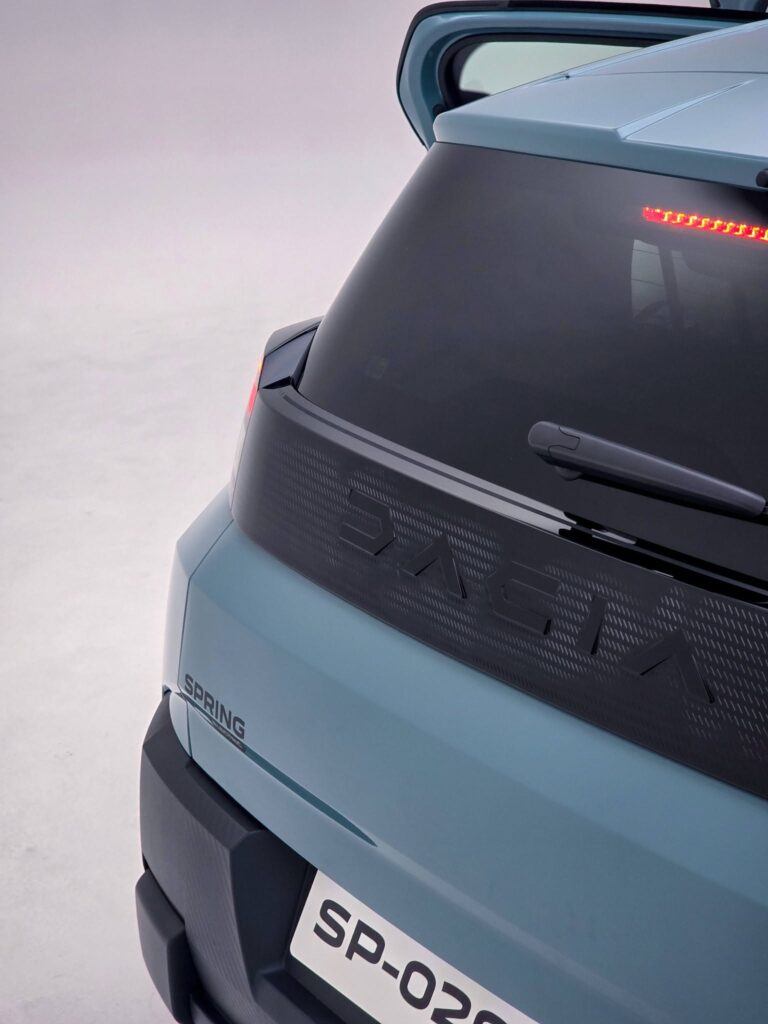
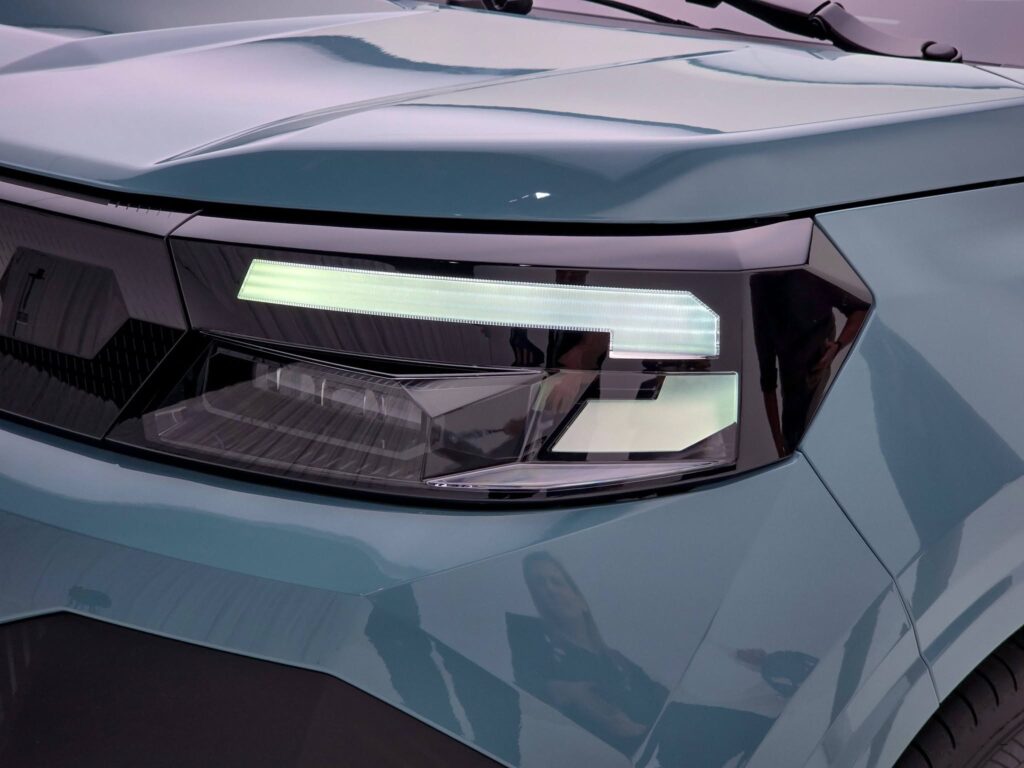
There is an equally pragmatic idea behind the car’s lighting signature. At both ends, only the upper section is illuminated by LEDs. The lower portion is a reflector positioned at a 45-degree angle, creating the visual continuity of a complete light signature while reducing the number of components and the complexity involved in manufacturing it.
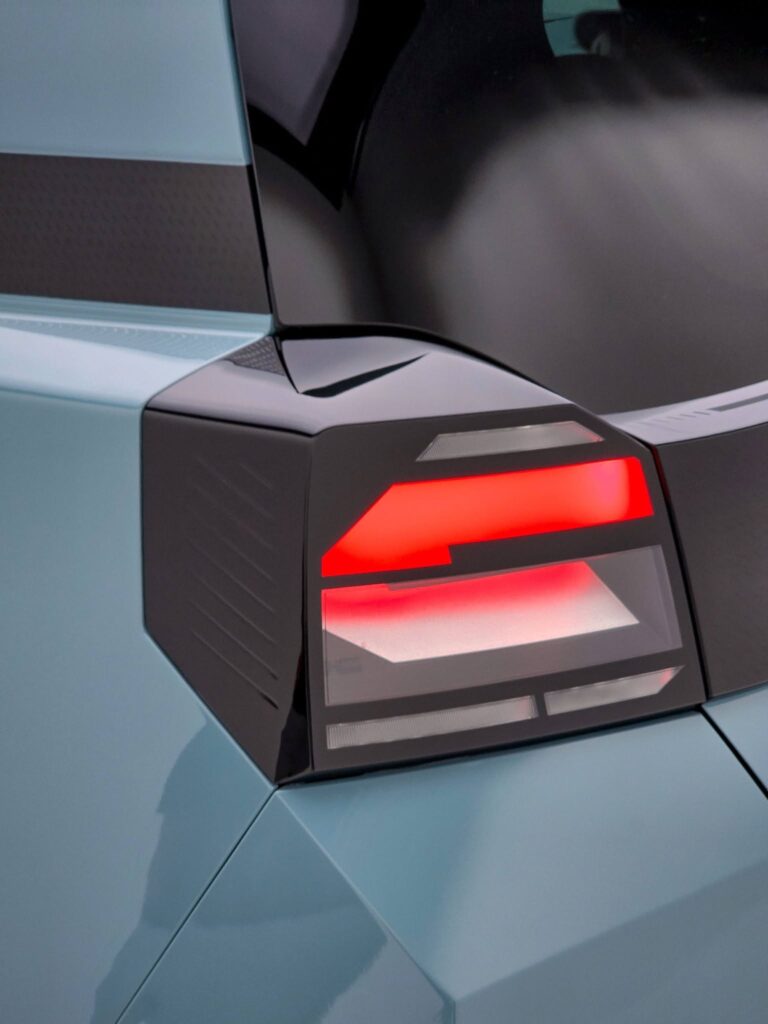
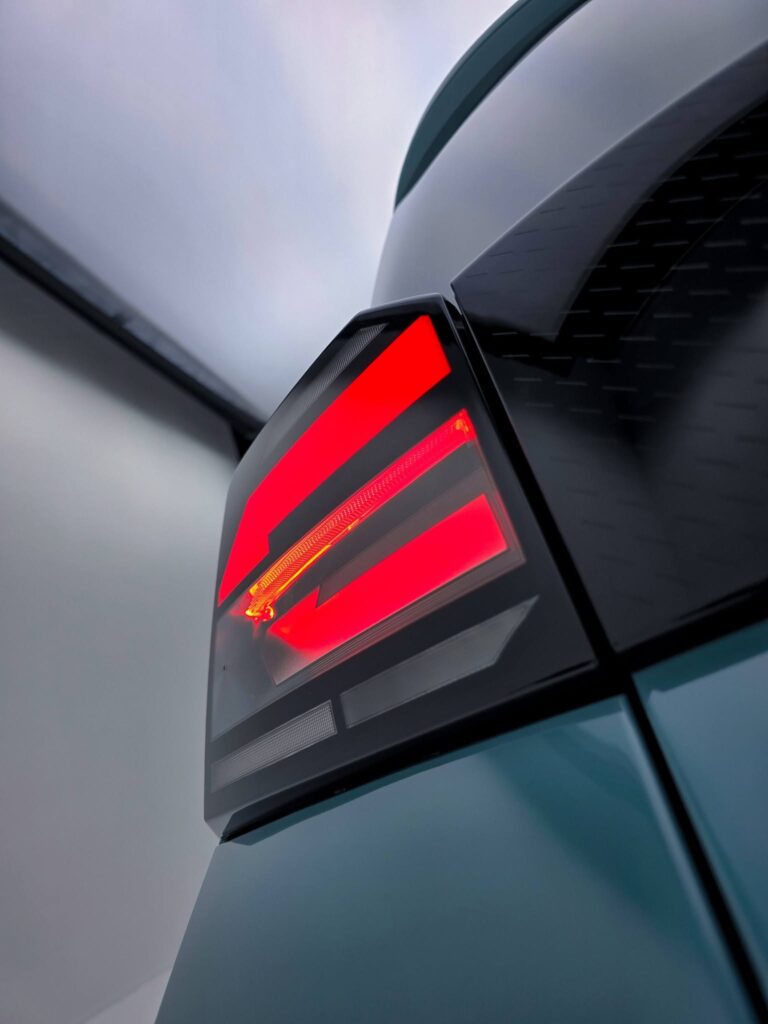
That detail says quite a lot about the new Spring. Dacia has given the car more space, more technology, more structural maturity and a distinctly European production base, yet the underlying philosophy remains remarkably disciplined. Every centimetre, component and watt appears to have a reason for being there.
The result is a Spring that feels considerably more serious without abandoning the simplicity that made the original relevant. Its real achievement may lie precisely there: Dacia has allowed its smallest electric car to grow substantially while keeping a close eye on what an affordable EV actually needs to be.