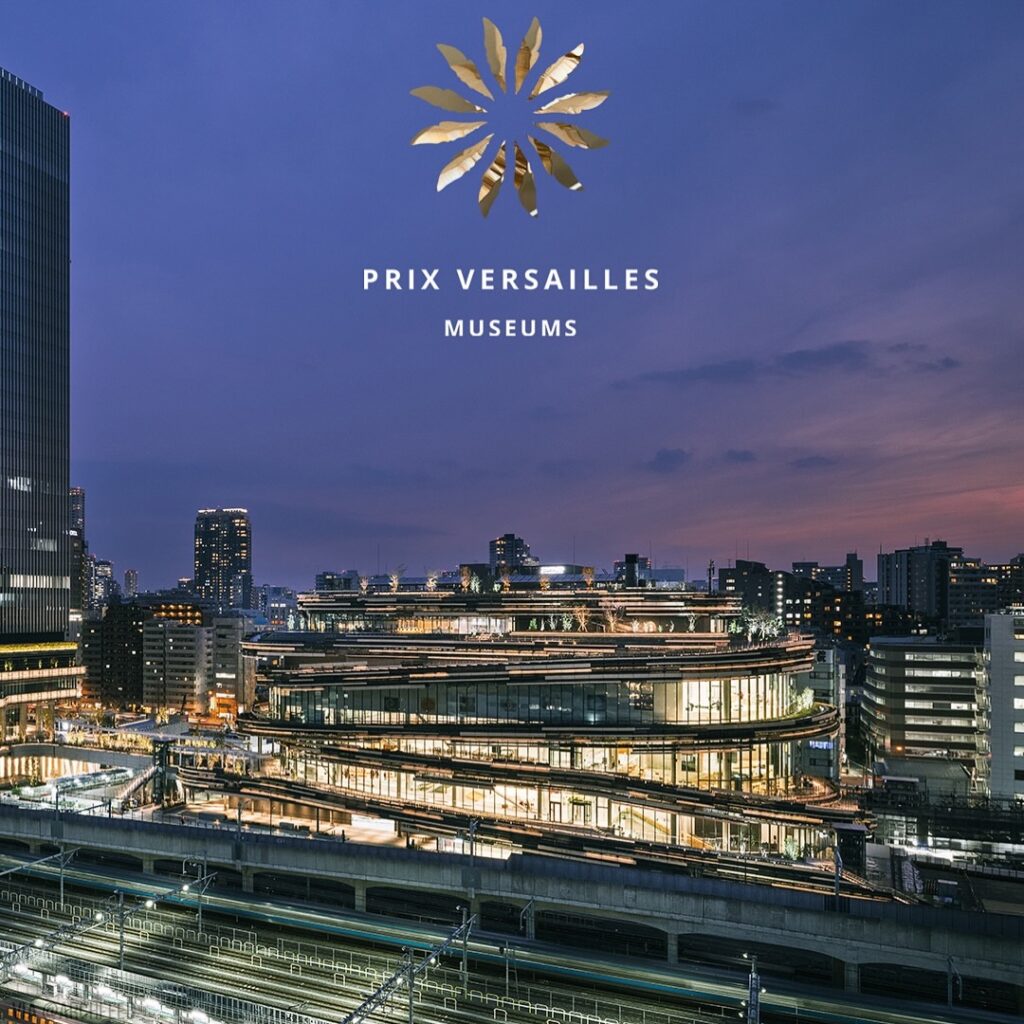
MoN Takanawa: The Museum of Narratives has been named among the World’s Most Beautiful Museums of 2026 by the Prix Versailles, an international distinction presented under the patronage of UNESCO. Opened in March 2026 within Tokyo’s expansive Takanawa Gateway City development, the museum introduces a new kind of cultural institution, one that blends architecture, technology, storytelling, and public interaction into a fluid and immersive experience.
Occupying the historic site of Japan’s first railway line, the 29,000-square-meter museum was conceived as a contemporary crossroads where art, education, digital culture, and collective memory intersect. Rather than functioning as a conventional exhibition space, the institution positions itself as a participatory environment shaped by movement, atmosphere, and evolving narratives.
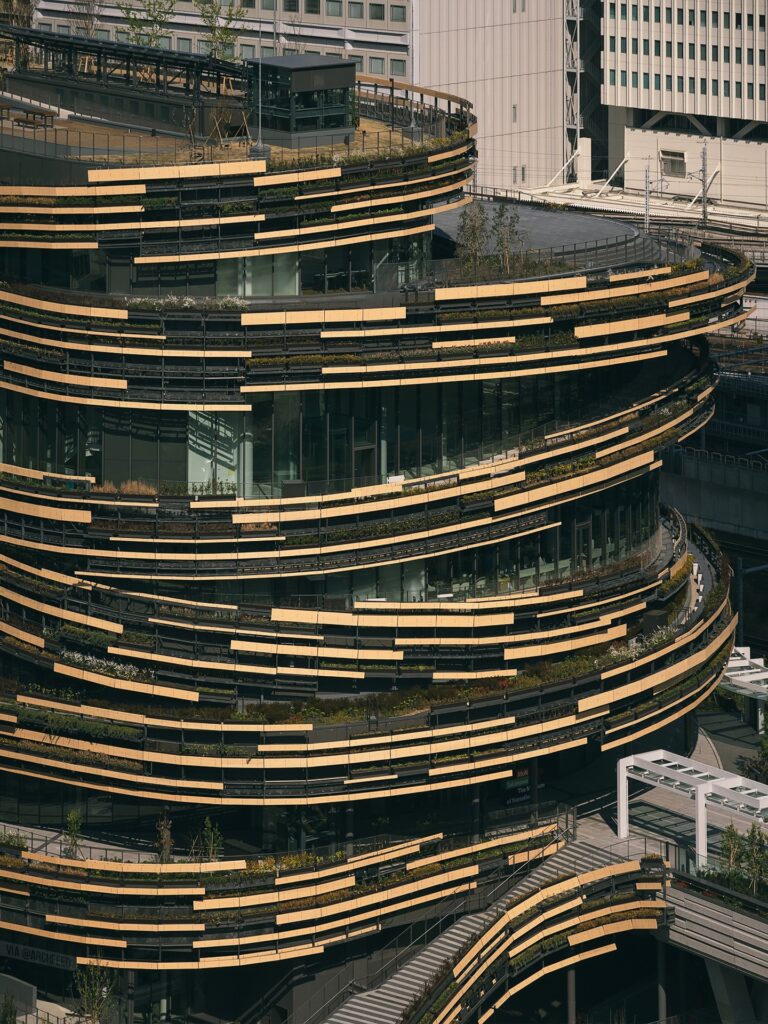
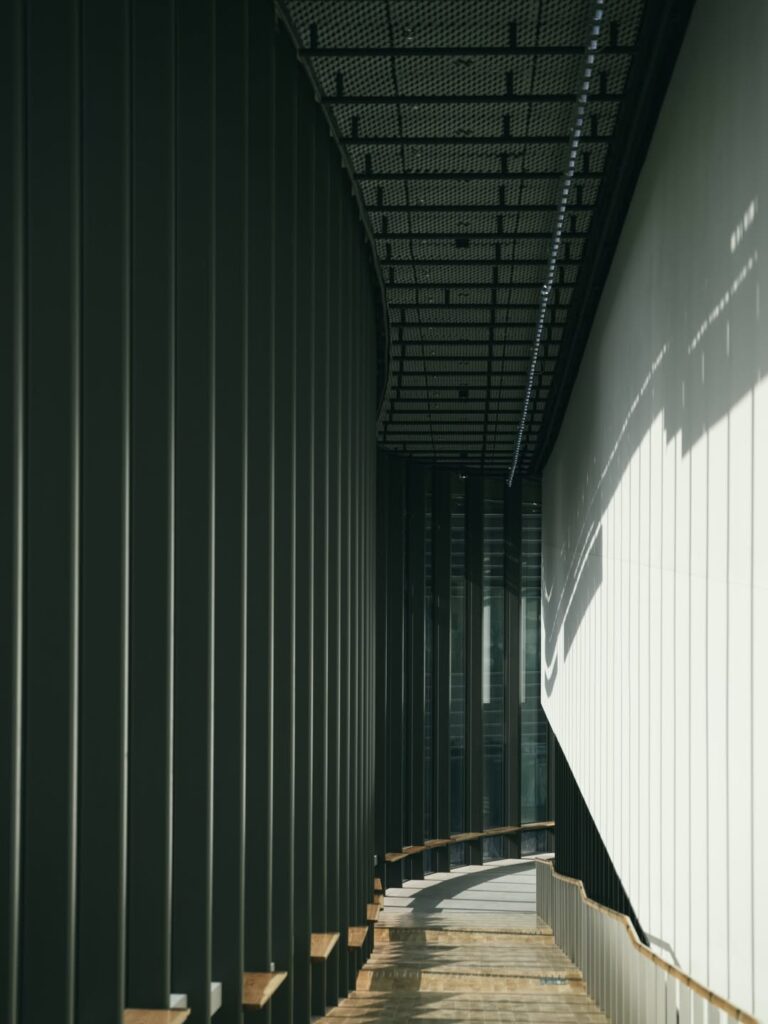
The building, designed by Kengo Kuma, reflects this philosophy through an architectural language defined by lightness, fragmentation, and permeability. Layered wood, translucent glass, openwork walls, and softly diffused lighting create an environment that feels intentionally porous and ephemeral. The structure’s spiraling façade rises gently through the site, dissolving the distinction between interior and exterior space.
Nature also plays a central role in the museum’s identity. More than 200 plant species are integrated throughout the architecture, allowing seasonal changes to become part of the visitor experience itself. Vegetation, filtered light, and shifting transparency transform the building into something closer to a living landscape than a static cultural monument.
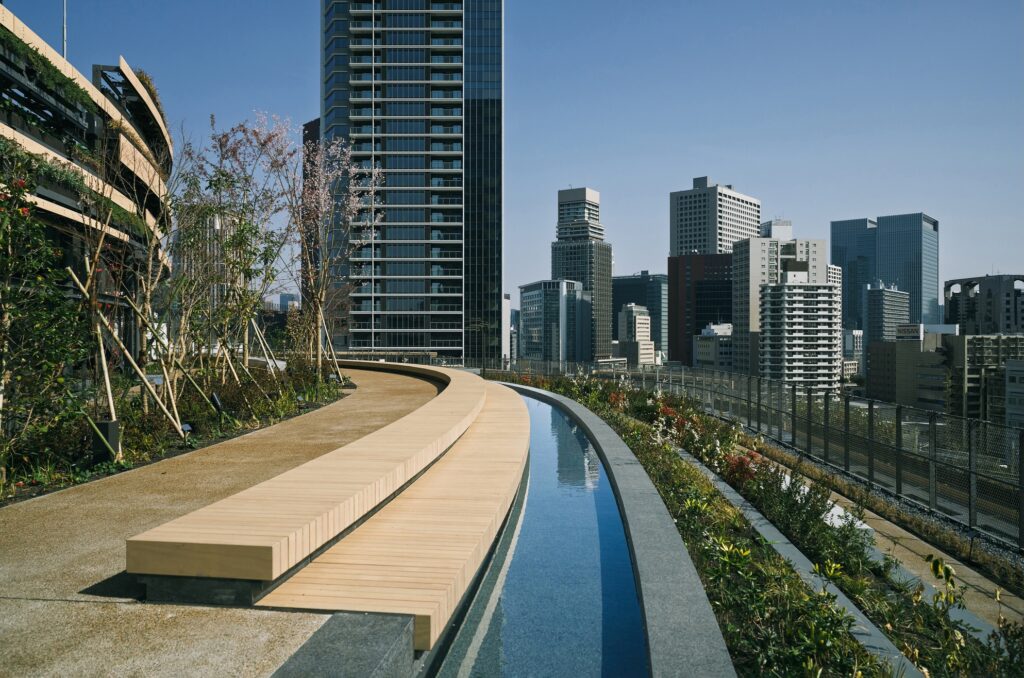
In striking contrast to the surrounding high-rise towers and infrastructure of modern Tokyo, the museum introduces a quieter and more tactile architectural presence. Its organic forms and delicate materiality challenge conventional ideas of what a contemporary urban institution should look like, offering instead a vision of the city shaped by openness, atmosphere, and coexistence between nature and technology.
By combining immersive storytelling with experimental architecture, MoN Takanawa positions itself as both a museum and a broader reflection on how cultural spaces might evolve in the future, less as fixed containers for objects and more as environments designed for interaction, transformation, and collective experience.
MoN Takanawa online:
Website
Instagram
Facebook
Photo: (c) Yasuyuki Takaki