Slow Coral Design has introduced a new architectural intervention within Yandang Mountain, rethinking how cultural landscapes can engage younger generations through contemporary spatial experiences. Known for its dramatic geological formations and recognized as both a National 5A Scenic Area and a UNESCO Global Geopark, Yandang Mountain has long held historical and cultural significance, yet like many heritage destinations, it has faced the challenge of remaining relevant within rapidly changing tourism culture.
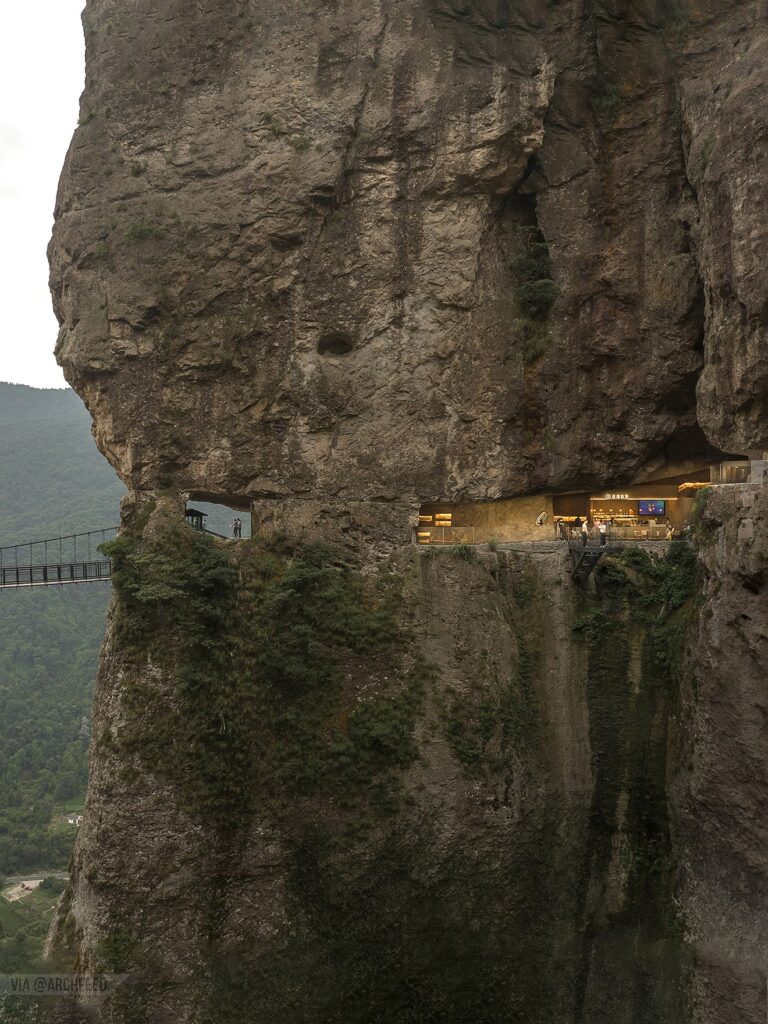
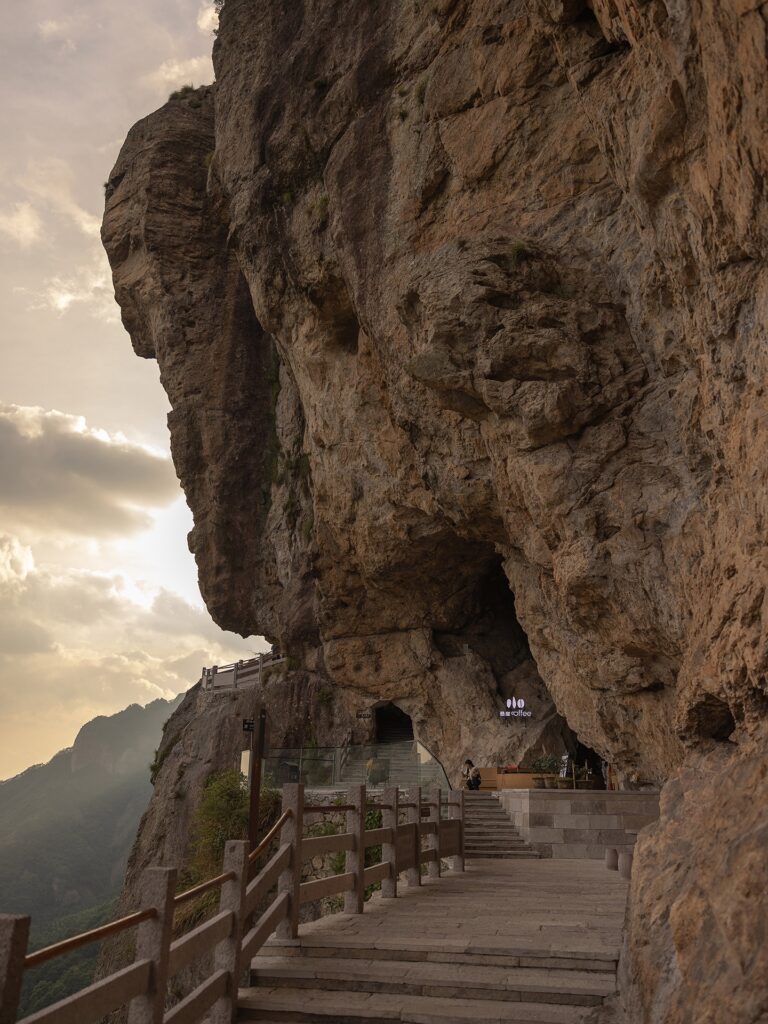
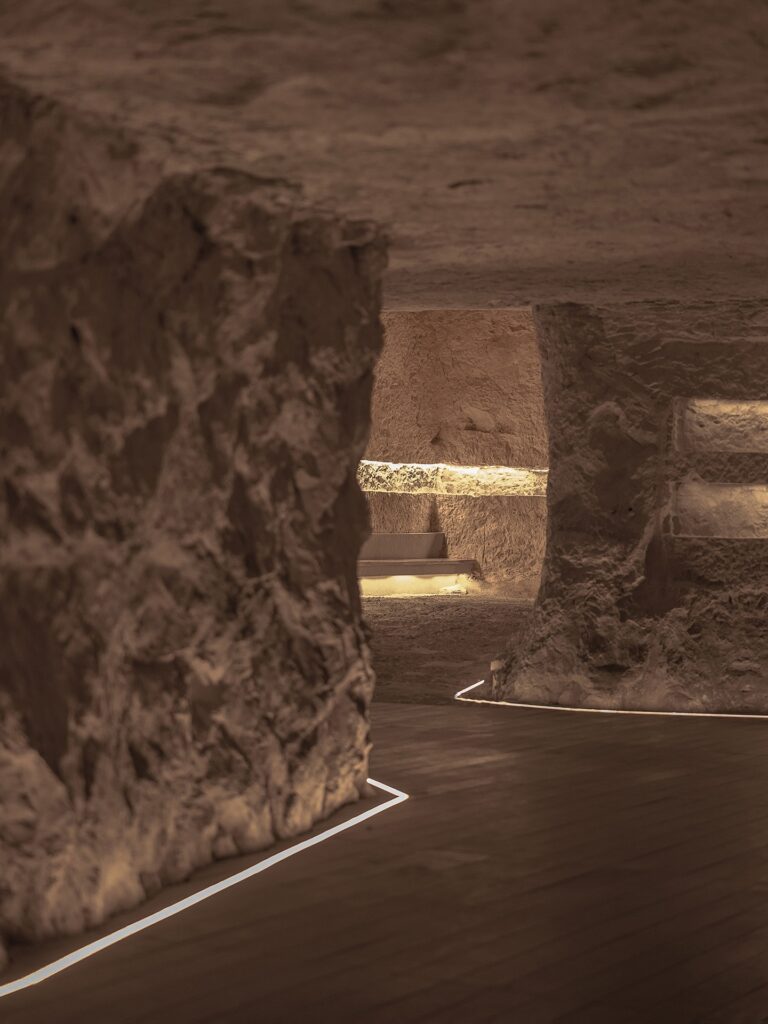
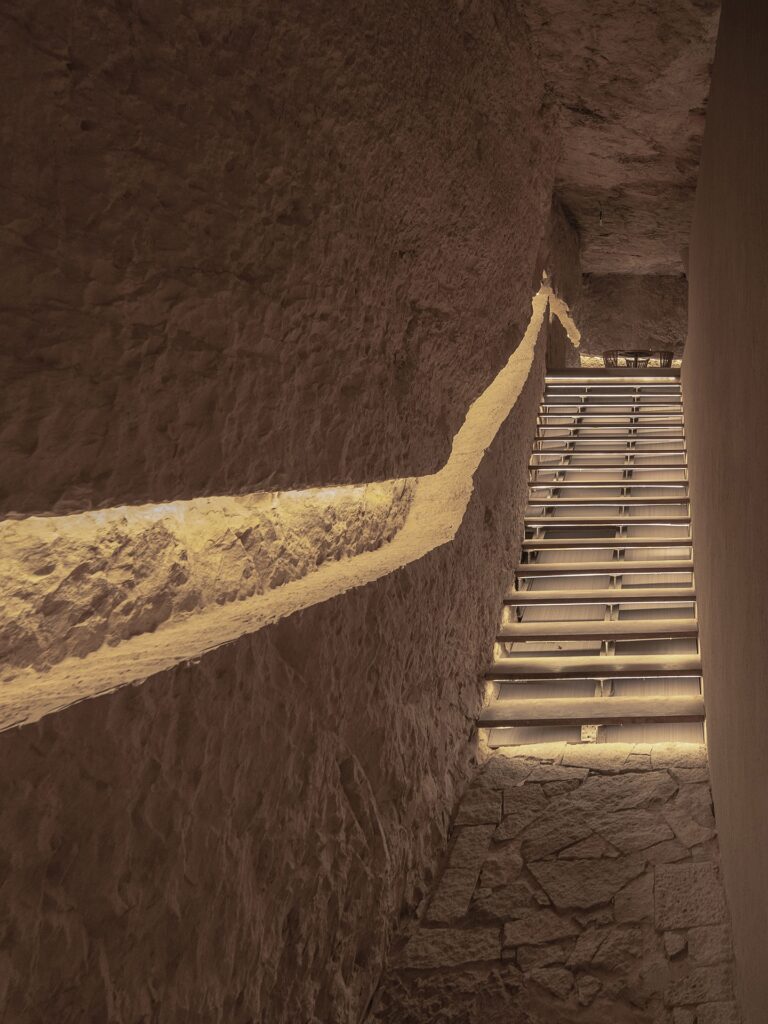
The project, titled the “Cliff Café Series”, inserts two contemporary social spaces directly into existing cliffside caves along the Fangdong–Lingyan route. Rather than imposing large-scale construction onto the site, the design follows a restrained “light-touch” approach that minimizes environmental impact while allowing the natural rock formations to remain visually dominant. Architecture becomes secondary to the landscape itself, quietly integrated into the caves through minimal interventions and carefully framed viewpoints.
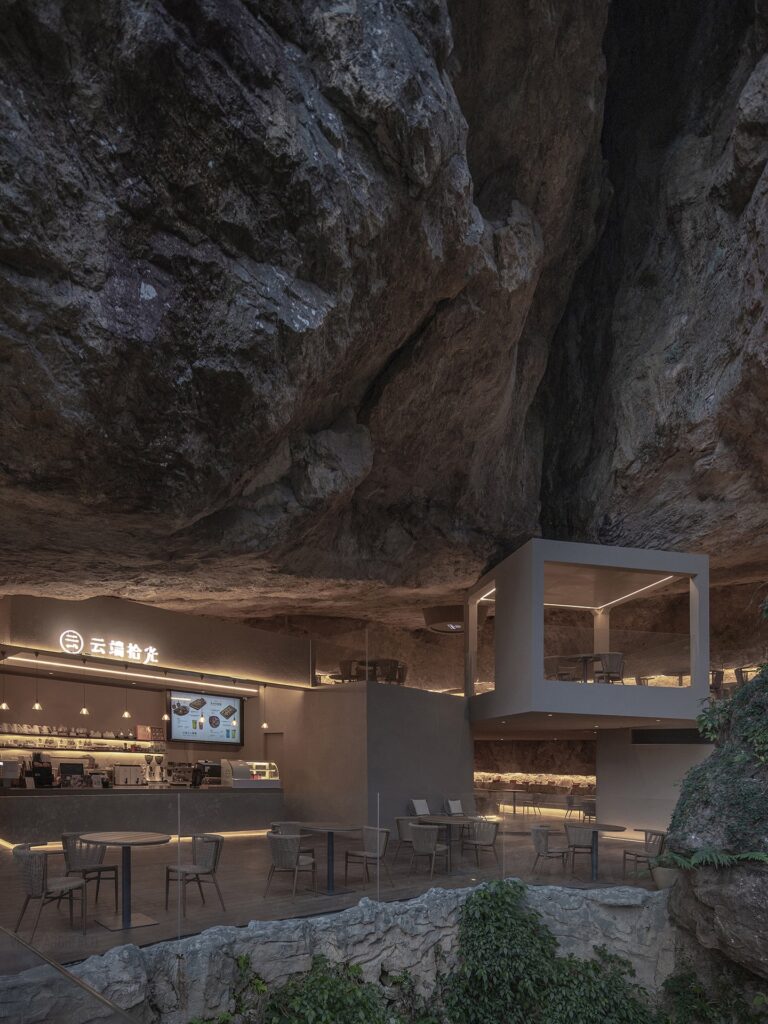
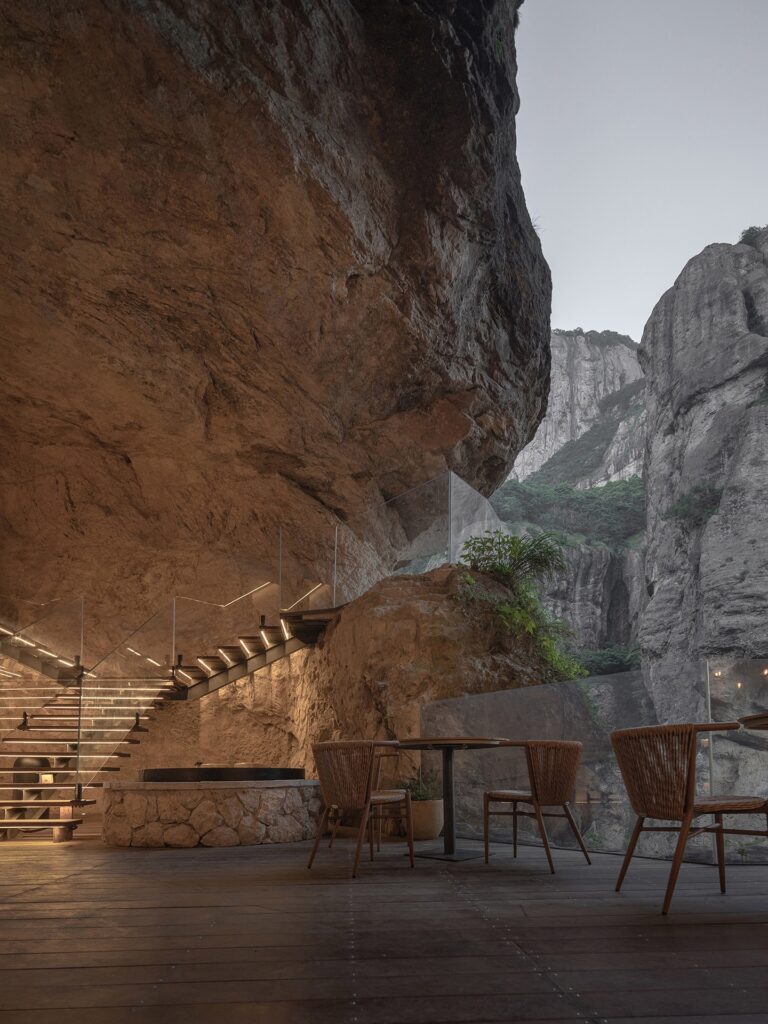
By introducing cafés and gathering areas into these previously underused spaces, the project shifts the experience of the mountain away from passive sightseeing and toward something more immersive and participatory. Expansive viewing platforms embedded within the cliffs encourage visitors to linger, socialize, and engage more directly with the surrounding environment. Coffee, light meals, and contemporary hospitality elements are combined with the raw geological setting, creating a new kind of destination that resonates strongly with younger audiences accustomed to experience-driven travel.
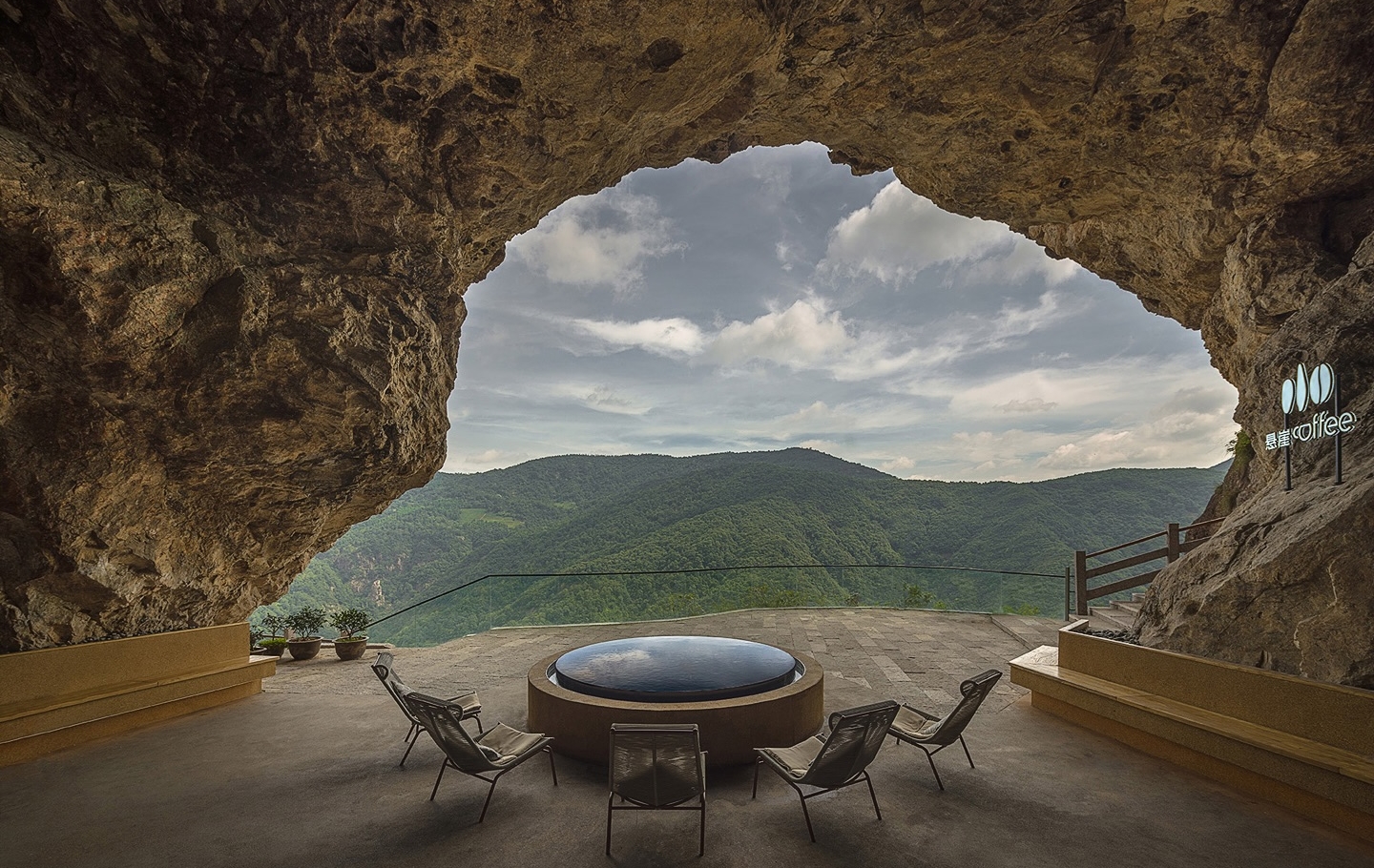
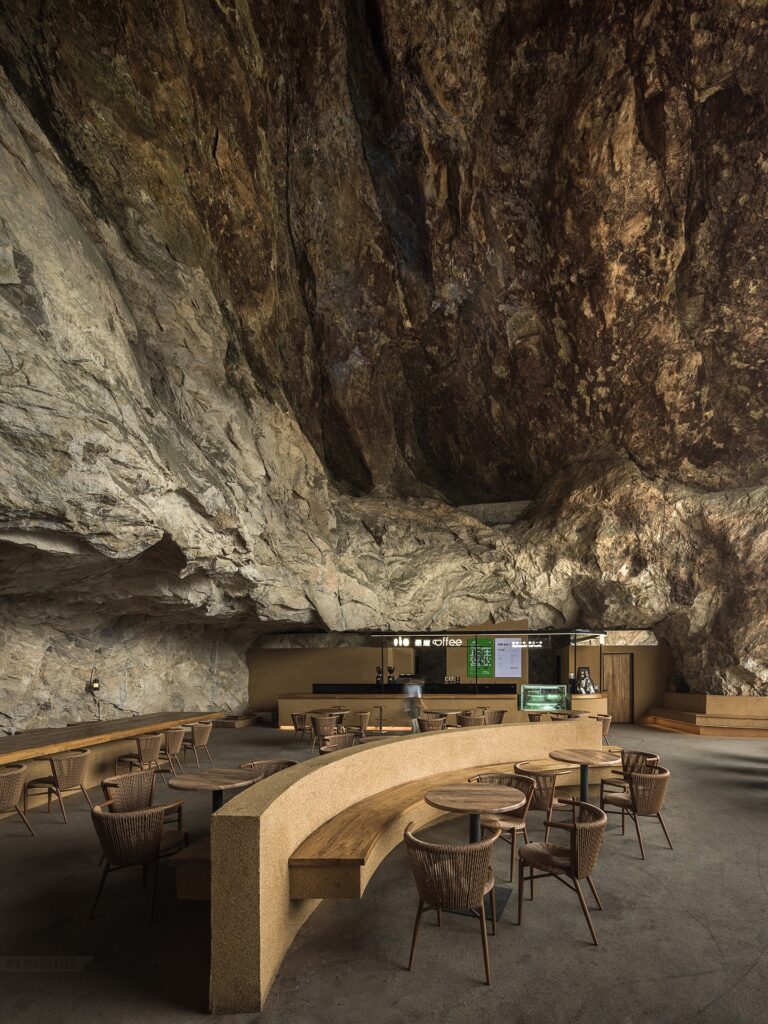
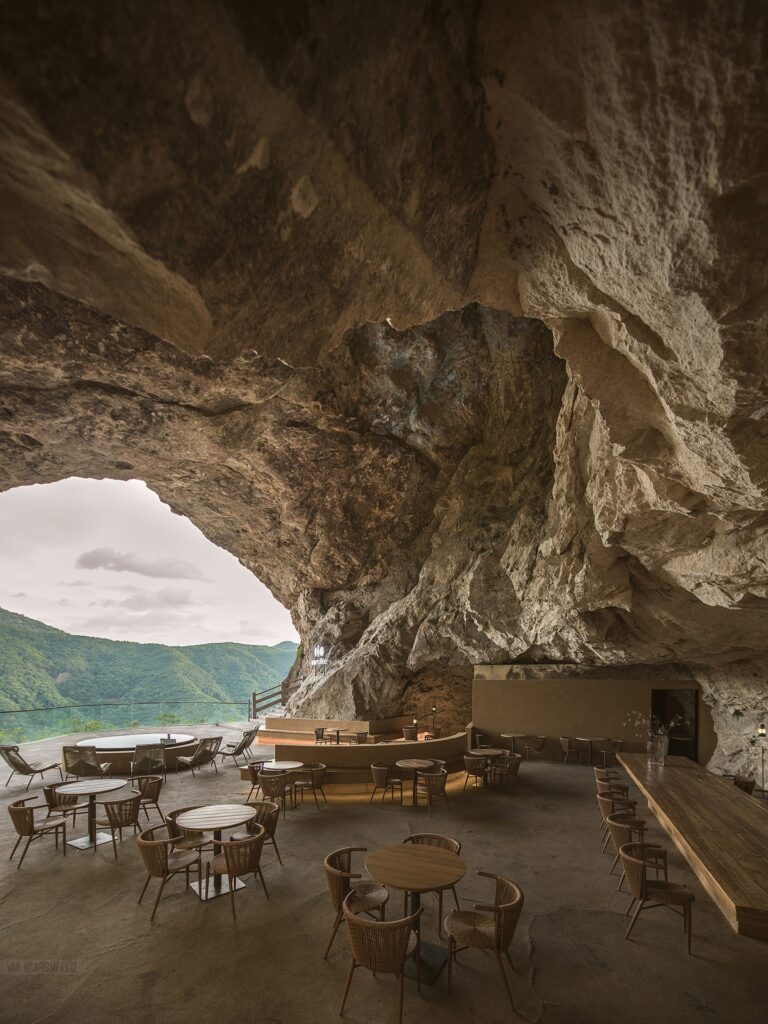
The contrast between contemporary lifestyle culture and the ancient landscape becomes central to the project’s identity. Rather than competing with the mountain’s monumental presence, the architecture amplifies it, turning the caves into spaces where natural spectacle and modern social rituals coexist.
More broadly, the “Cliff Café Series” proposes a model for how heritage sites can evolve without sacrificing their ecological or cultural integrity. Through minimal architectural intervention and programmatic renewal, the project demonstrates how carefully considered design can reactivate historic landscapes, attract new audiences, and create sustainable forms of public engagement rooted in both preservation and contemporary experience.
Slow Coral Design online:
Website
Photo: (c) Pan Jie