Set within an industrial zone roughly 50 kilometers north of Ho Chi Minh City, the Jakob Factory presents a different vision for industrial architecture in tropical climates. Designed by G8A Architecture & Urban Planning in partnership with Rollimarchini Architekten, the project moves beyond the conventional image of the factory as a closed, energy-intensive structure, proposing instead a workplace shaped by climate, sustainability and human experience.
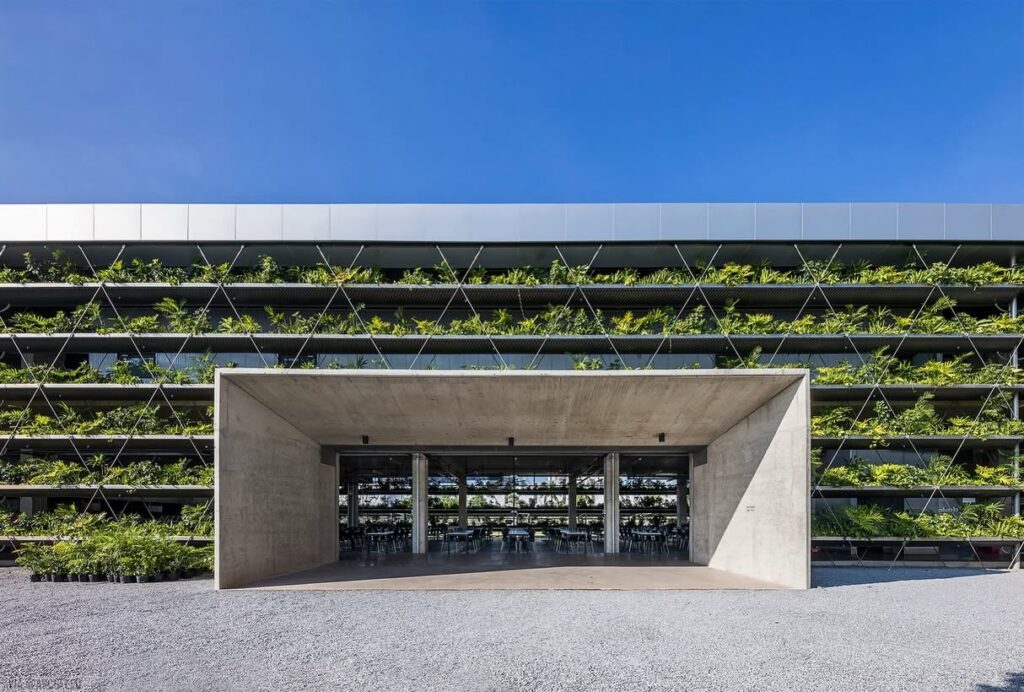
The facility was developed for Jakob Rope Systems, the Swiss manufacturer known for its steel rope technologies and custom steel mesh solutions. From the outset, the ambition was not simply to create an efficient production facility, but to rethink how industrial buildings can interact with their environment while supporting the well-being of the people who use them every day.
The project responds to a broader challenge facing many rapidly developing regions in Southeast Asia, where industrial expansion has often been accompanied by extensive land consumption, high energy demands and limited consideration for environmental performance. Rather than relying heavily on mechanical systems to create comfortable conditions, the architects embraced the local climate as a design driver.
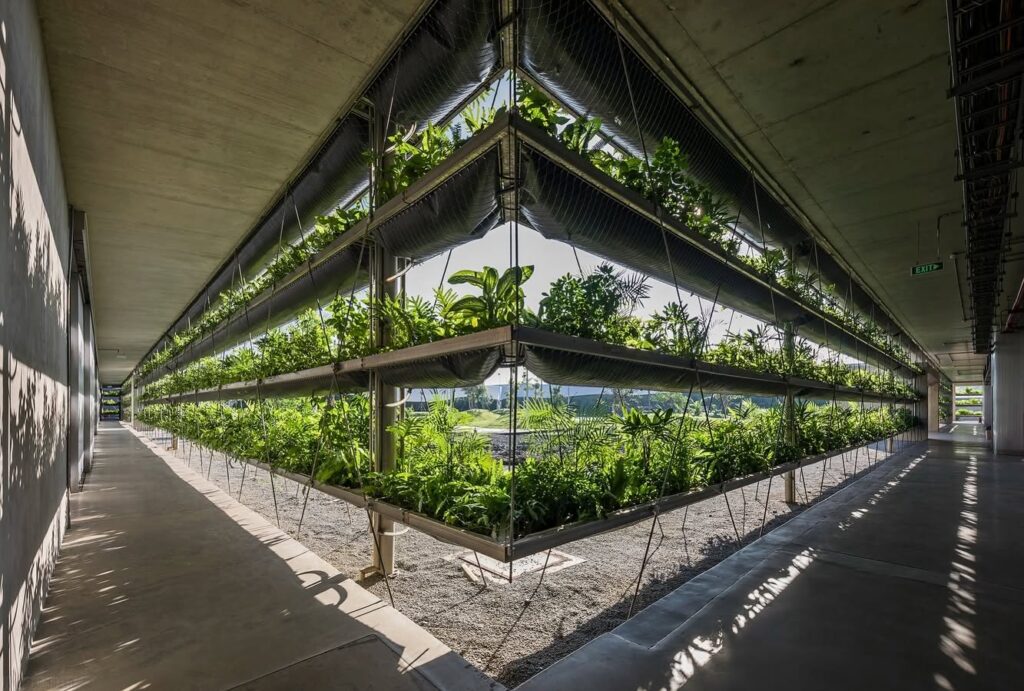
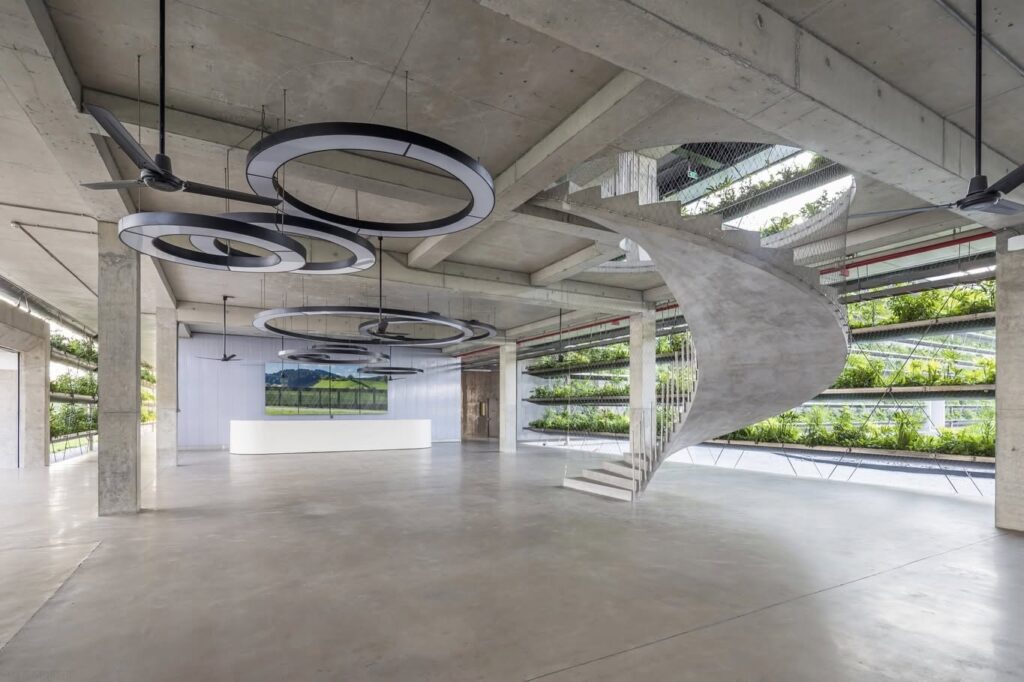
Natural ventilation plays a central role throughout the complex, reducing the need for artificial cooling while promoting healthier indoor environments. Generous daylighting strategies, shaded outdoor circulation areas and carefully designed building volumes help regulate temperature and improve comfort across the site. These passive solutions not only lower energy consumption but also create a more pleasant atmosphere for workers.
The factory demonstrates that industrial efficiency and environmental responsibility are not mutually exclusive. By integrating climate-responsive design principles into every aspect of the project, the building achieves a balance between operational performance, resource conservation and occupant comfort.
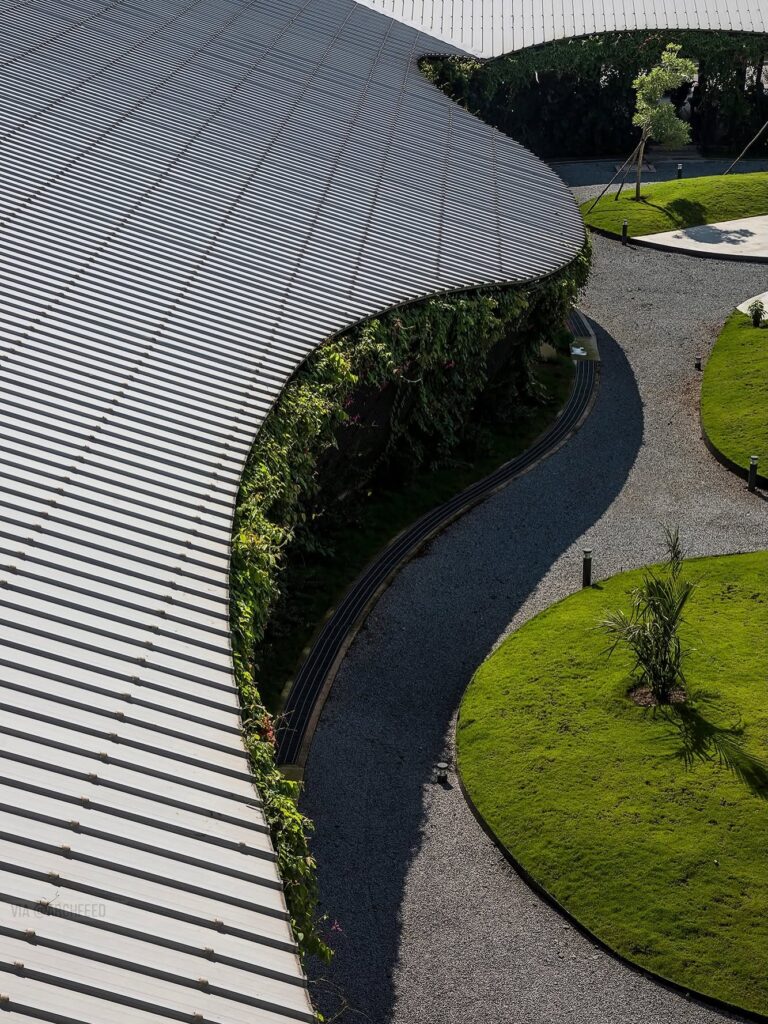
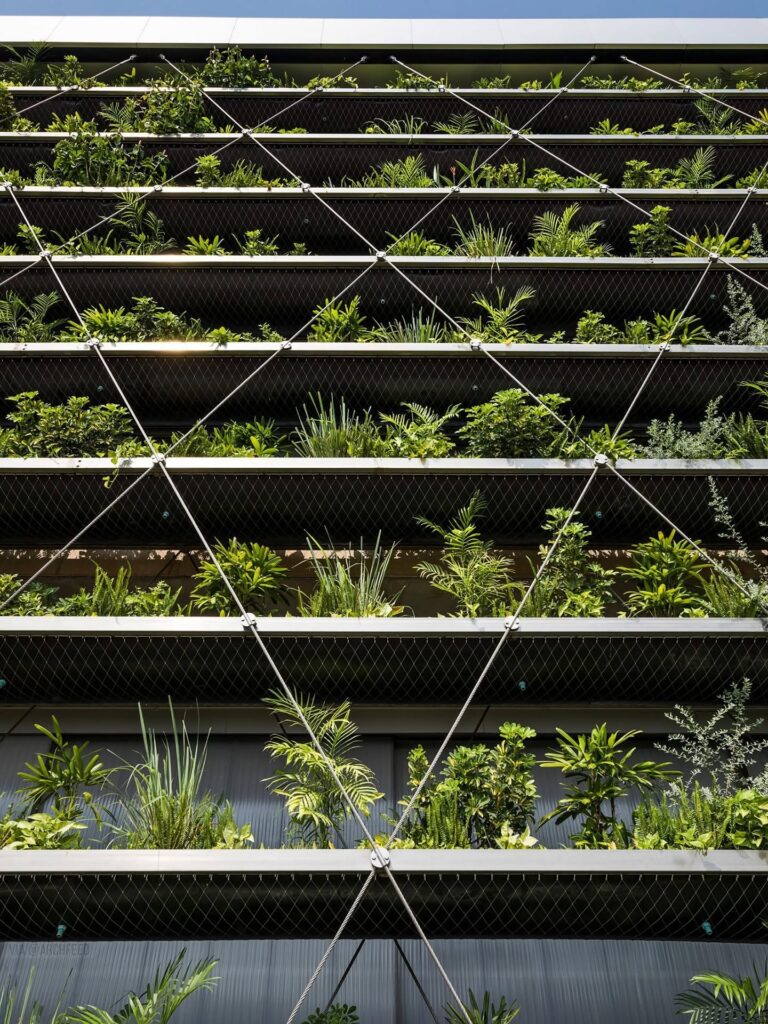
More than a manufacturing facility, the Jakob Factory serves as a contemporary model for industrial development in tropical regions. It illustrates how factories can contribute positively to their surroundings, offering a vision of industrial architecture that values ecological awareness, long-term resilience and the quality of everyday working environments.
Through its thoughtful approach, the project challenges traditional assumptions about industrial buildings, proving that places of production can also be places of innovation, sustainability and architectural quality.
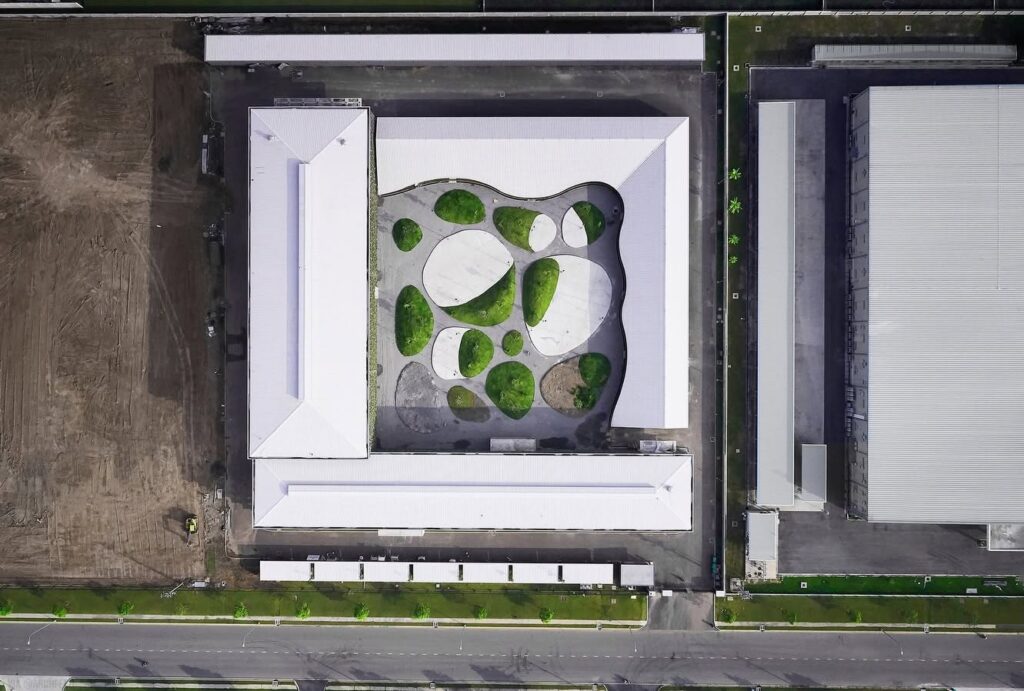
Photo: (c) OKI Hiroyuki, Severin Jakob