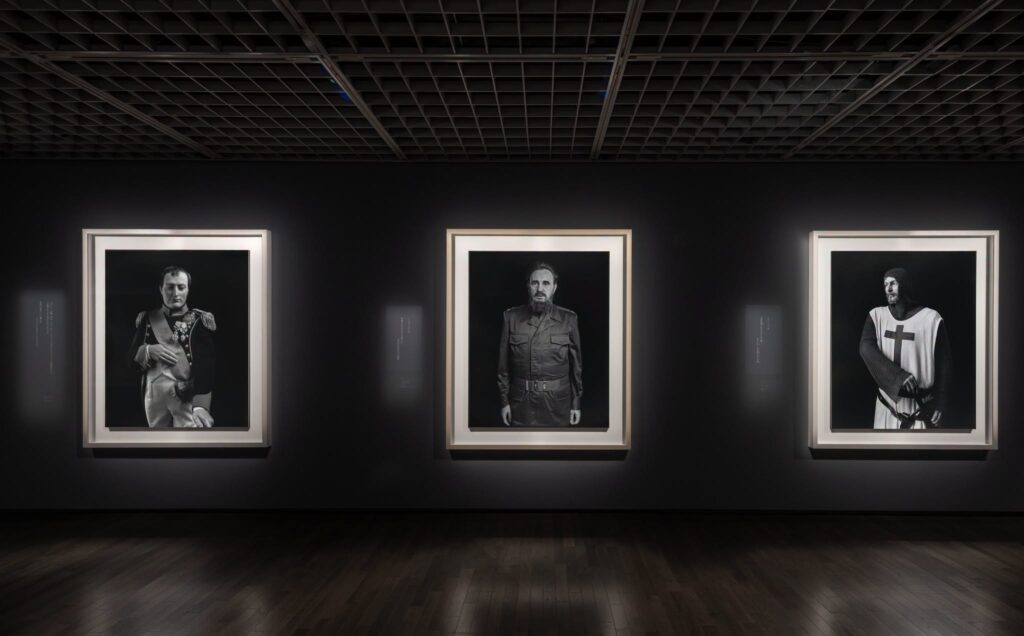
At the National Museum of Modern Art, Tokyo, Hiroshi Sugimoto‘s “Extinction” brings together nearly five decades of photographic practice in an exhibition shaped by a quiet sense of urgency. On view until 13 September 2026, the exhibition gathers approximately 60 gelatin silver photographs, tracing the evolution of Sugimoto’s visual universe from the late 1970s to the present.
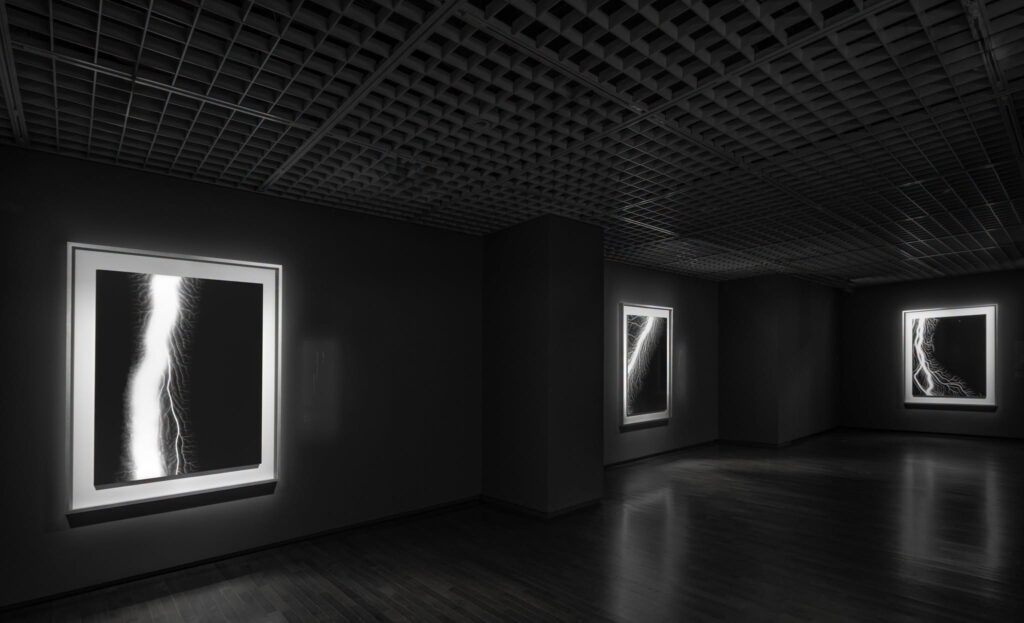
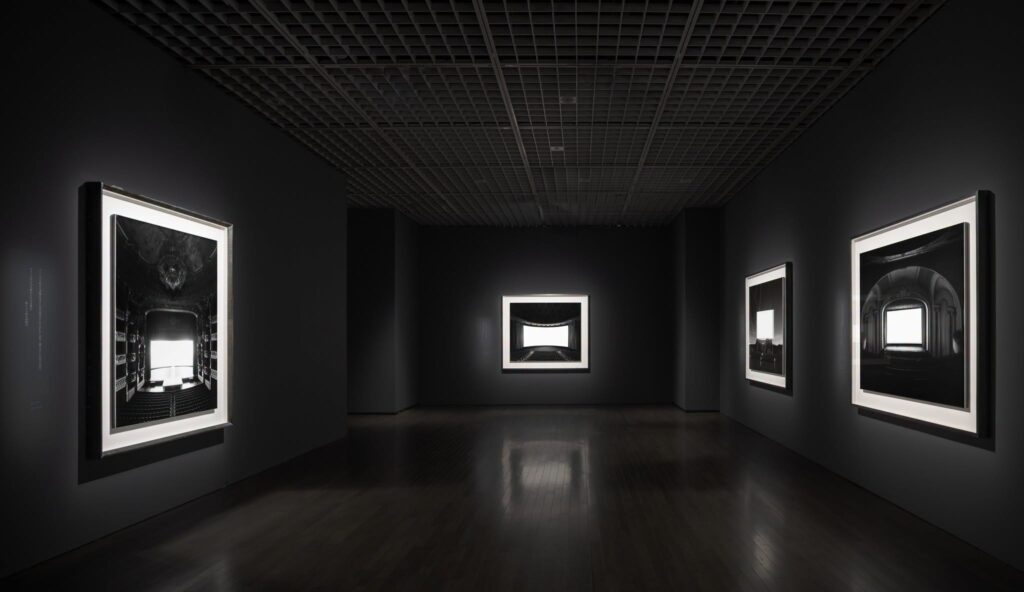
Sugimoto’s practice has always moved beyond the boundaries of photography. Architecture, theatre and traditional Japanese arts have all become part of his artistic language, yet gelatin silver photography remains its essential foundation, the process through which his ideas have most consistently found their form.
Precise, conceptual and uncompromising in its visual language, Sugimoto’s work has pushed the medium toward a state of near-philosophical intensity. His photographs do not simply record the world. They question what it means to look at it, to preserve it, and to believe that an image can hold time.
The title “Extinction” points toward a process that exists increasingly at the edge of disappearance. As analogue film gives way to digital technologies, gelatin silver photography, once central to the history of the medium, has itself become increasingly vulnerable.
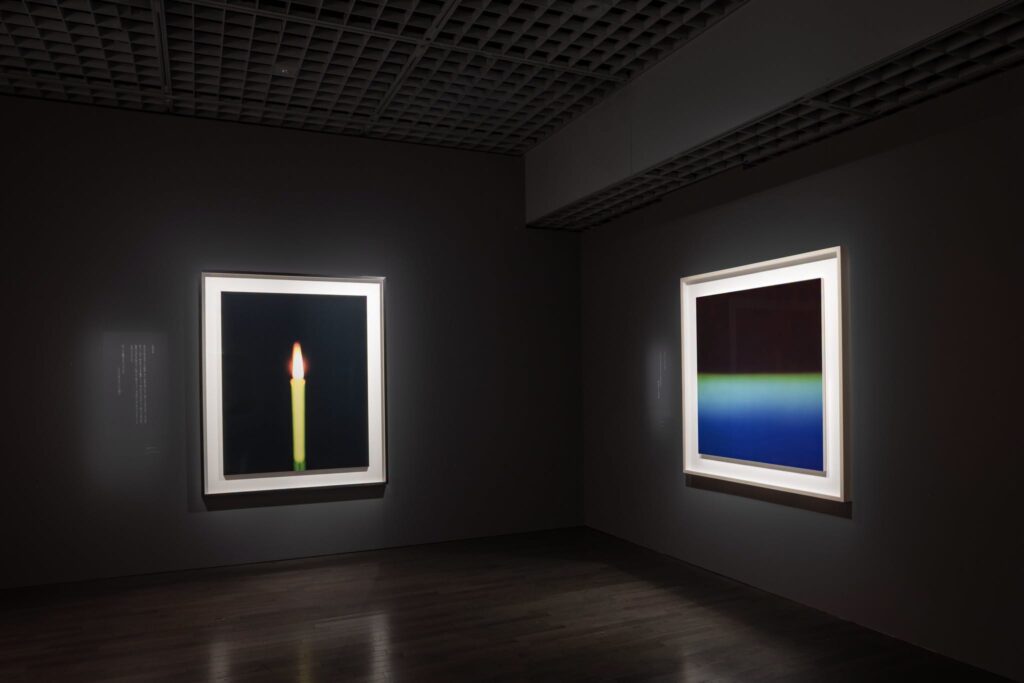
The exhibition unfolds through a loosely chronological journey, allowing works from different periods to reveal the continuities and transformations within Sugimoto’s practice. From his earliest photographs to his most recent works, the exhibition becomes not only a portrait of an artist’s evolving universe, but also a meditation on the uncertain future of the medium that has defined it.
“Hiroshi Sugimoto: Extinction” is the largest solo exhibition of Sugimoto’s photography to be presented in Japan since his 2005 exhibition at the Mori Art Museum in Tokyo.
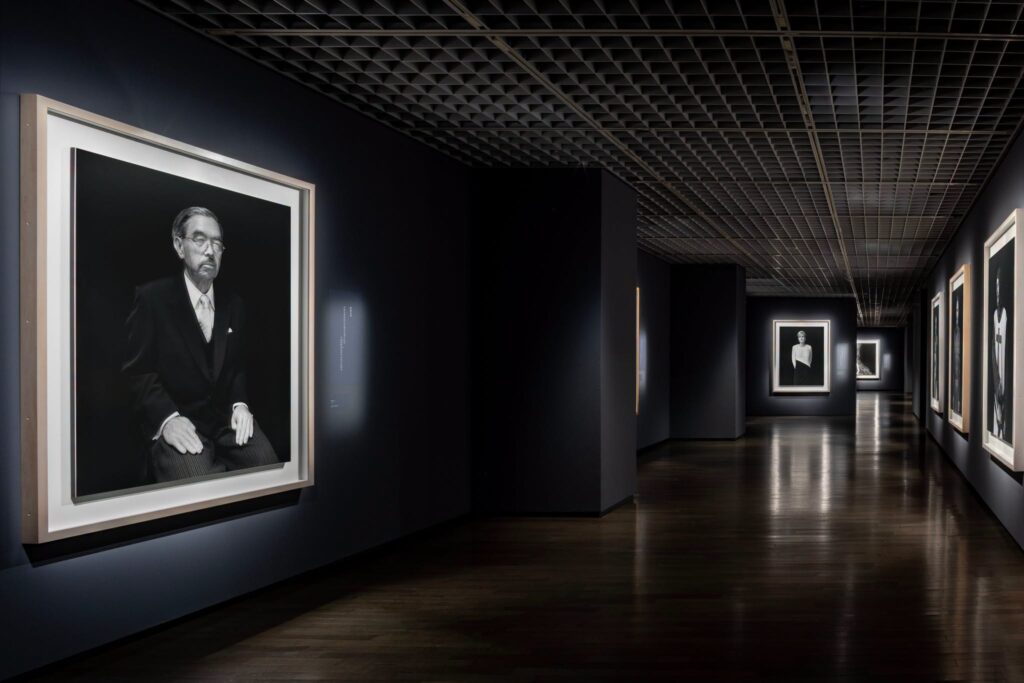
At a time when photography has become almost entirely immaterial, Sugimoto’s images insist on the physical presence of the photograph, its surface, its process, its vulnerability.
Perhaps that is where the exhibition’s deepest tension lies: in the possibility that what we are looking at may one day no longer exist.
Hiroshi Sugimoto online:
Website