What if the person doing the dangerous work never had to enter the danger zone?
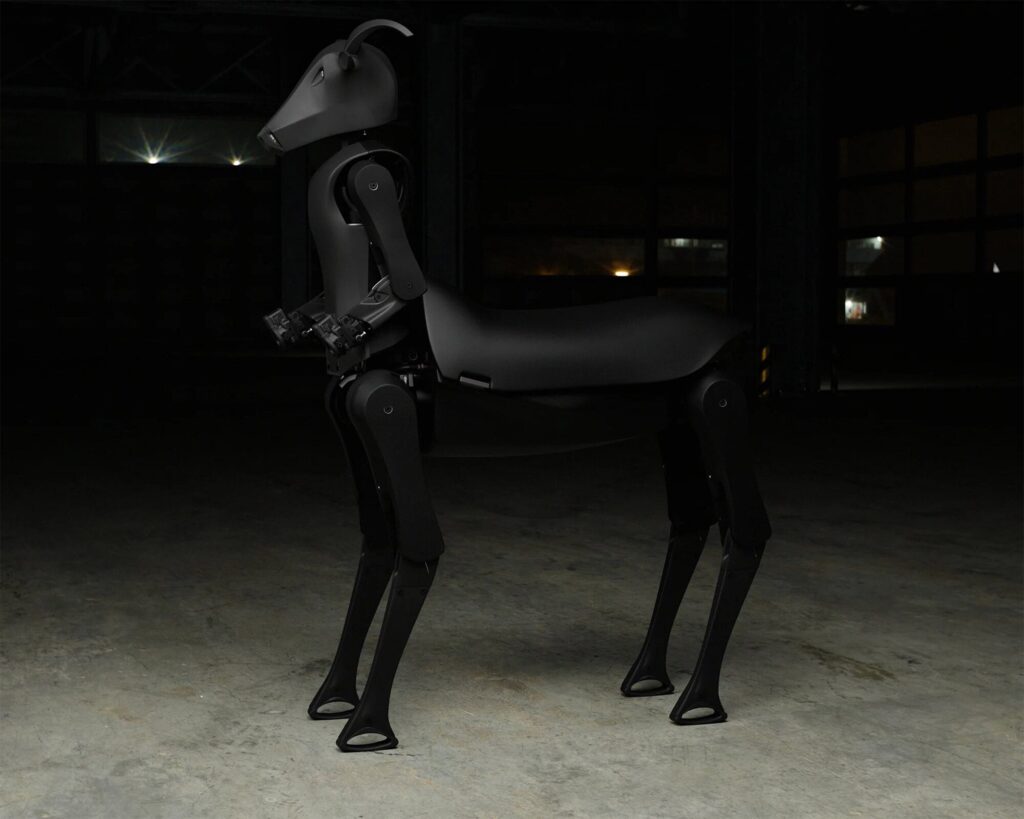
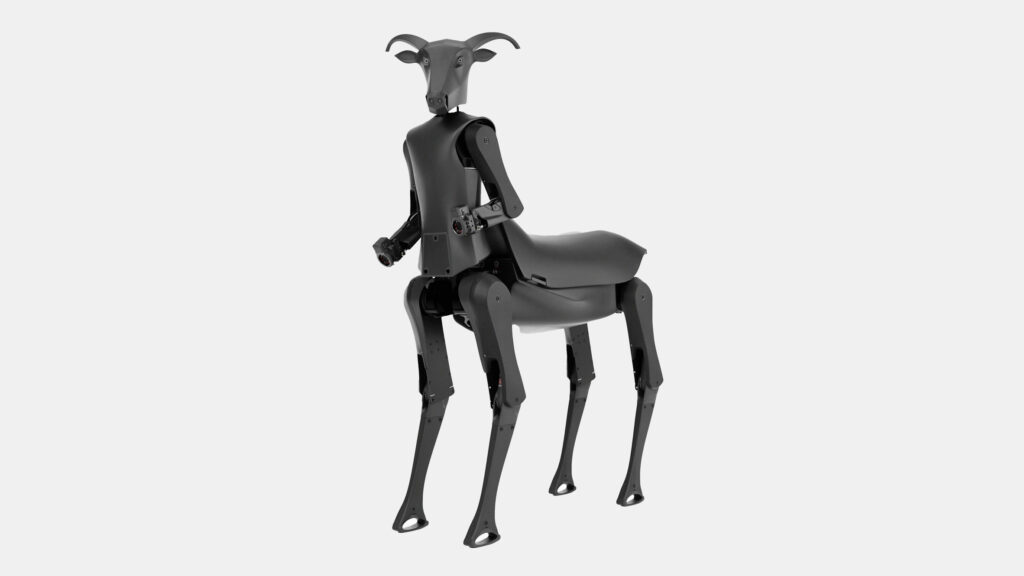
California-based start-up Satyress is developing Threehalves, a two-metre-tall teleoperated robot designed to let skilled workers handle hazardous tasks from a safer distance. Part humanoid, part mechanical beast, the machine has four legs, a compact upper body and a deliberately intimidating silhouette.
Founder Beau Gaston has reportedly been developing Threehalves since 2022, with the project first appearing publicly in a low-key post last year. The company describes its approach as an attempt to extend human capability rather than remove people from the equation, targeting professions such as forestry, construction, heavy maintenance and skilled trades where workers can face extreme heat, freezing temperatures, darkness, unstable terrain or serious physical risk.
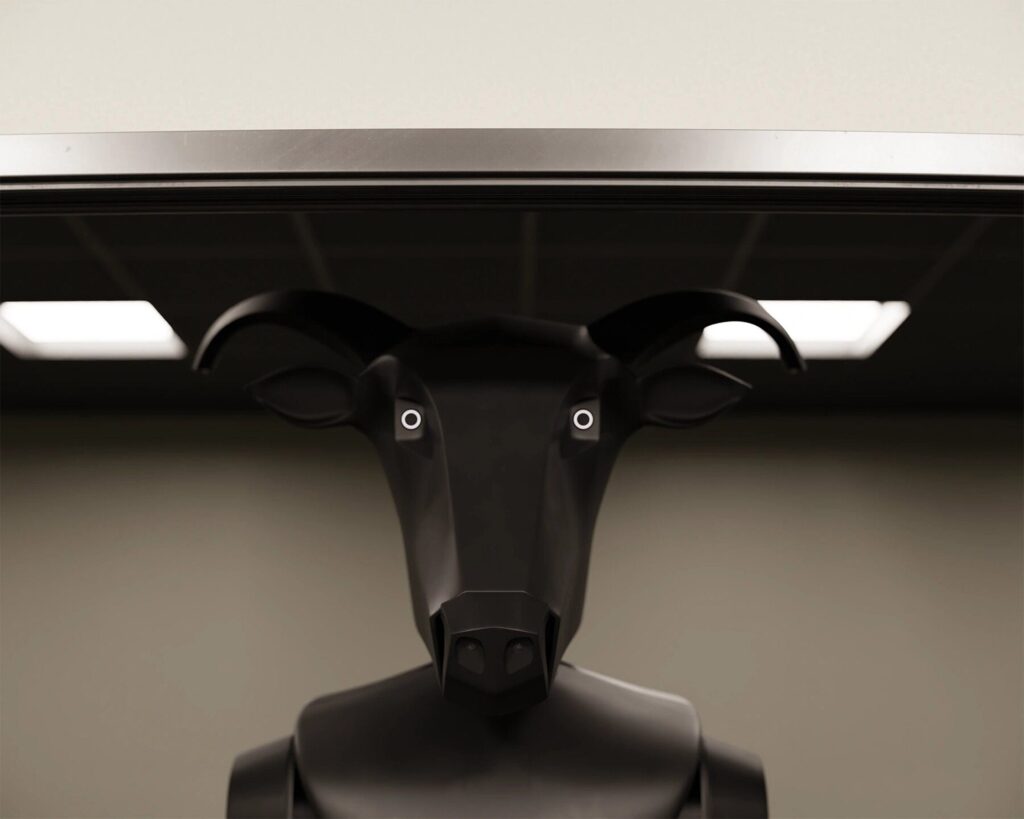
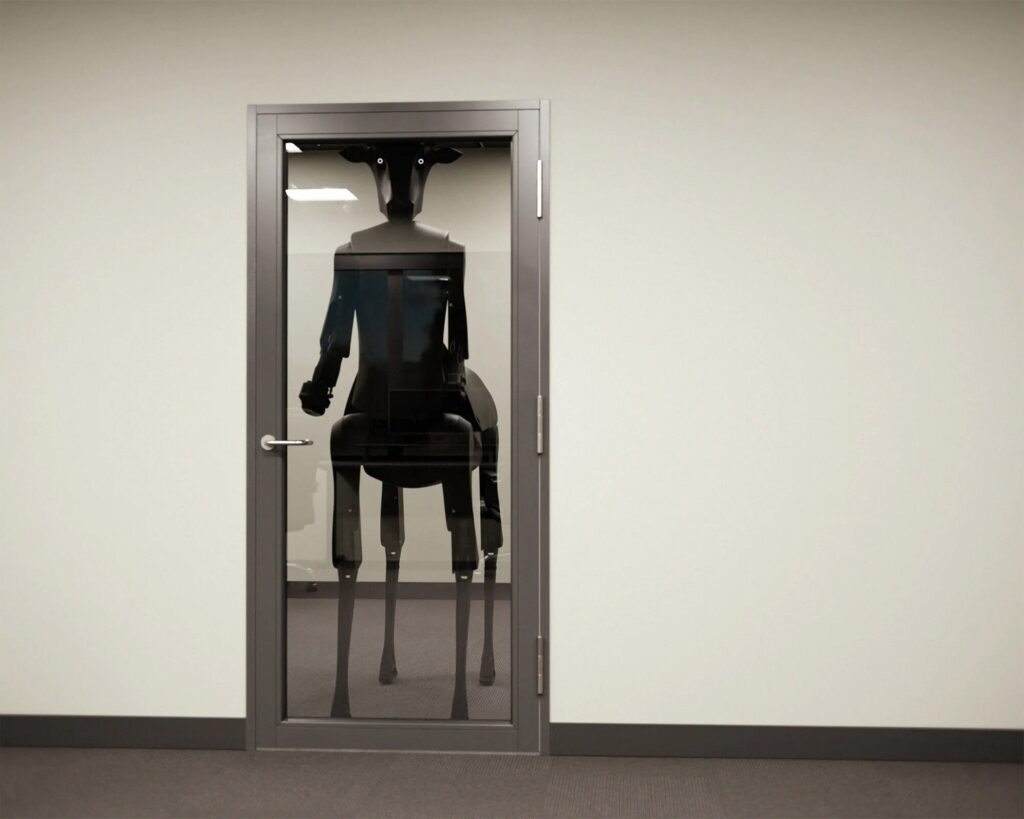
The design is immediately recognisable. Threehalves stands roughly seven feet tall, finished almost entirely in black, with pointed horns and small illuminated eyes. Its four-legged configuration gives it a different relationship with difficult terrain than conventional humanoid robots, while the upper section provides a platform for operating tools.
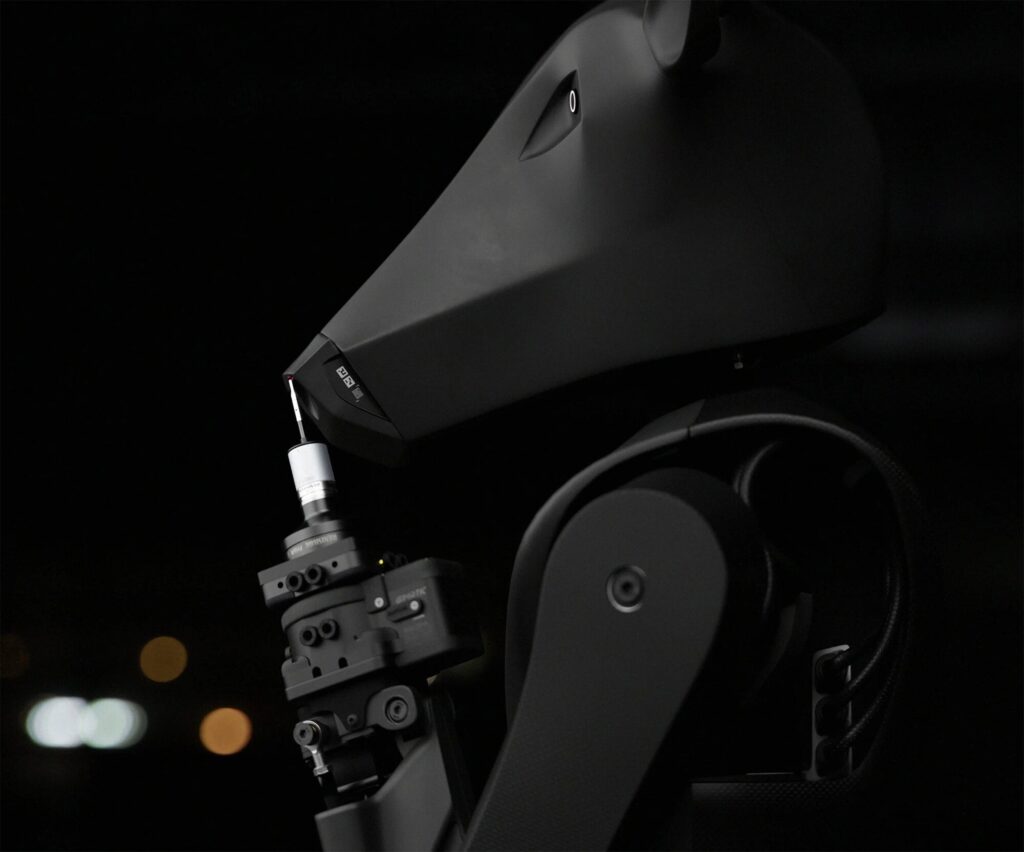
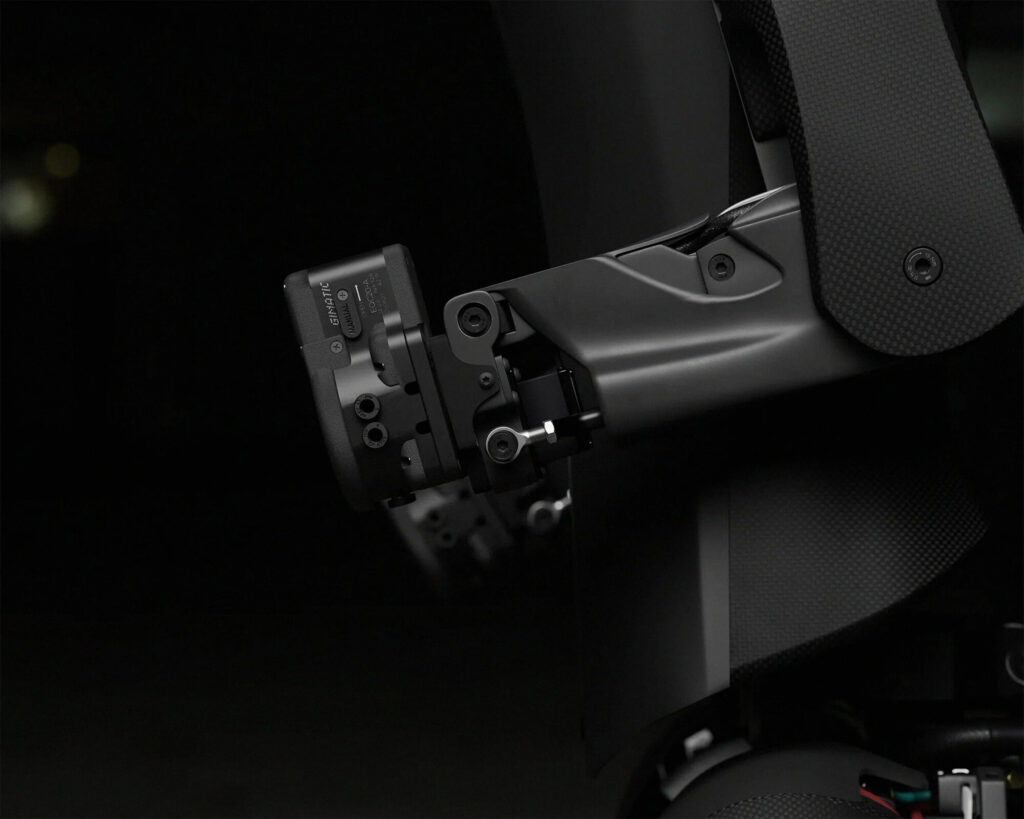
There are no traditional robotic hands. Instead, tools such as chainsaws can be mounted directly onto the robot’s arms through custom square attachment points. An array of cameras positioned in the head feeds live imagery to a remote operator, who controls the machine from outside the work area.
Satyress has also built several unusual limitations into Threehalves. The robot is intentionally too wide at the horns to pass through standard pedestrian doors and cannot turn around inside a conventional hallway. These restrictions are part of the machine’s safety strategy, making its physical scale difficult to ignore rather than attempting to disguise it.
Other parts of the body incorporate designated weak points that can be struck or penetrated to trigger an immediate shutdown. The company’s own diagrams illustrate these vulnerabilities with blunt examples involving firearms and blades. Should the robot sustain damage, its modular construction allows individual components to be removed and replaced without rebuilding the entire machine.
Getting Threehalves to a worksite is also relatively straightforward: the robot can crouch down and travel in the bed of a pickup truck, with multiple units positioned side by side.
The aesthetic is intentional, too. Gaston has explained that Satyress chose an aggressive, almost creature-like appearance instead of softening the machine into something designed to feel familiar. The idea is to make its capabilities visible at first glance rather than hide a powerful machine behind a friendly exterior.
That decision has already attracted attention beyond construction and industrial work. Gaston said police departments have contacted Satyress about potential public-safety applications following the recent attention around the robot, an unexpected development for a project initially focused on keeping workers away from some of the most dangerous environments.
For now, Threehalves remains a developing piece of machinery rather than a replacement for the people it is designed to assist. Its premise is more specific: put the operator somewhere safer, send the machine into the heat, darkness or unstable ground, and keep the human expertise in the loop.
Satyress online:
Website
Photo: (c) courtesy of Satyress