In the historic core of Pengzhou, BIAD-ASA Studio has completed an ambitious urban renewal project centered around the Longxing Temple district, an area deeply tied to the cultural identity of the city. Covering more than 157,000 square meters, the intervention reshapes a deteriorating neighborhood into a contemporary urban destination while preserving the atmosphere that has defined the district for generations.
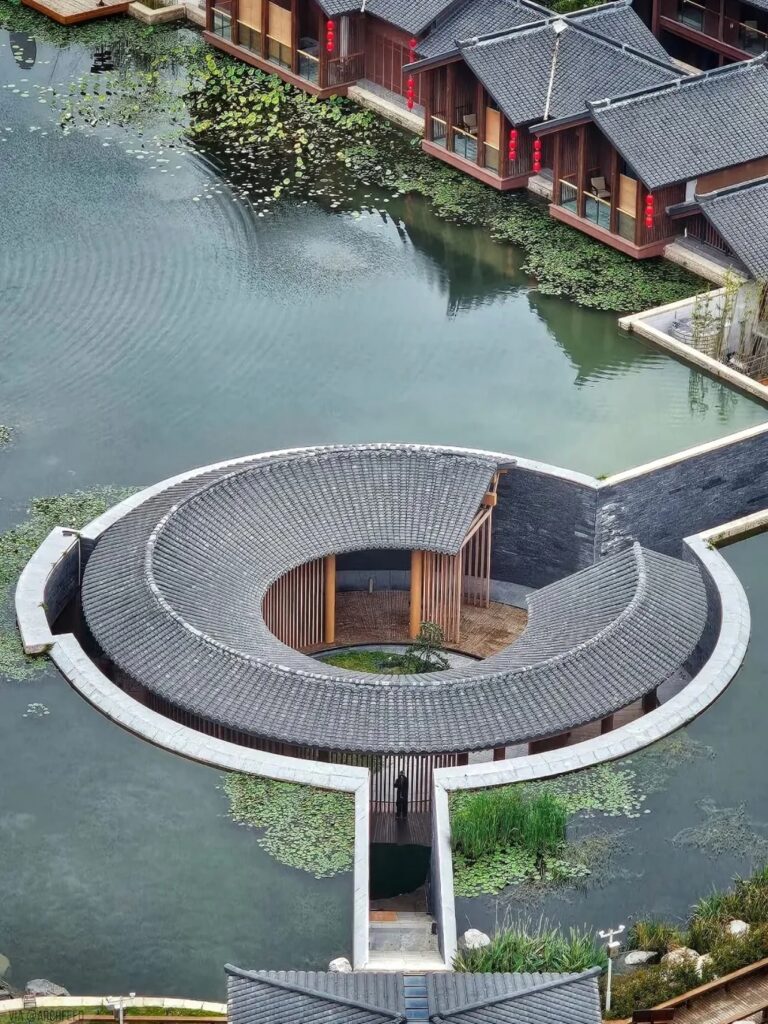
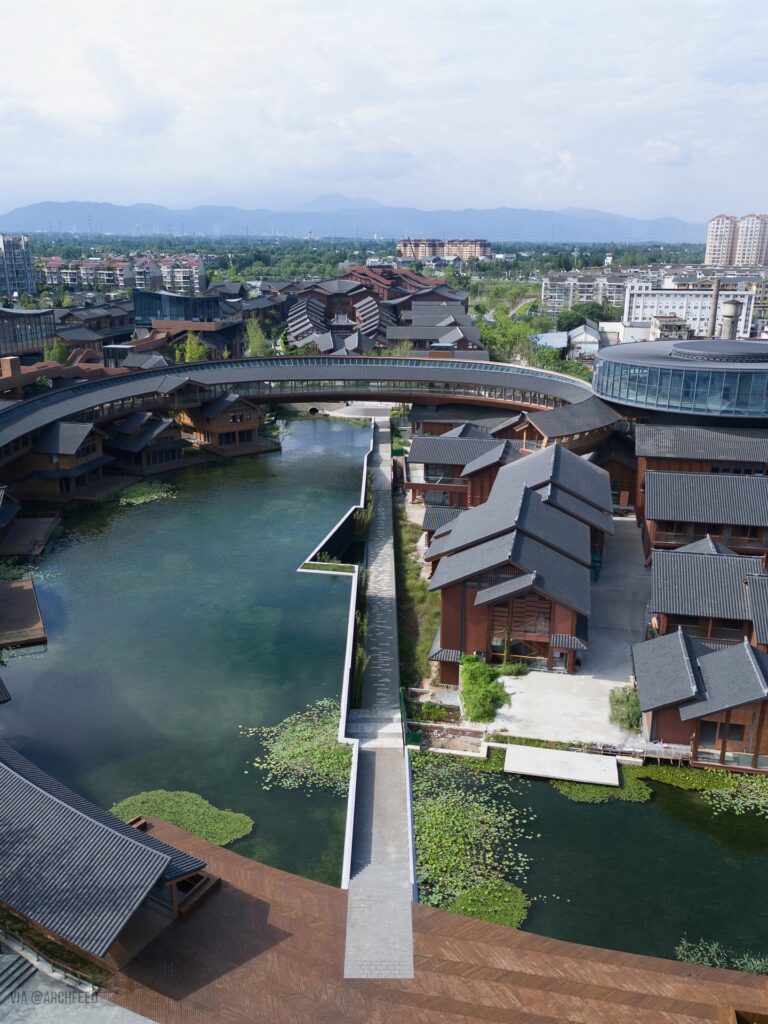
The site developed organically around Longxing Temple, a religious landmark with more than a thousand years of history. Over time, the surrounding streets became known for their dense concentration of restaurants, teahouses, and small businesses, creating one of the most recognizable public spaces in Pengzhou. Despite its cultural importance, much of the district had fallen into severe decline. Numerous low-rise buildings dating back to the 1970s and 1980s showed clear signs of deterioration, while former industrial facilities north of the temple had largely been abandoned after production activities came to an end.
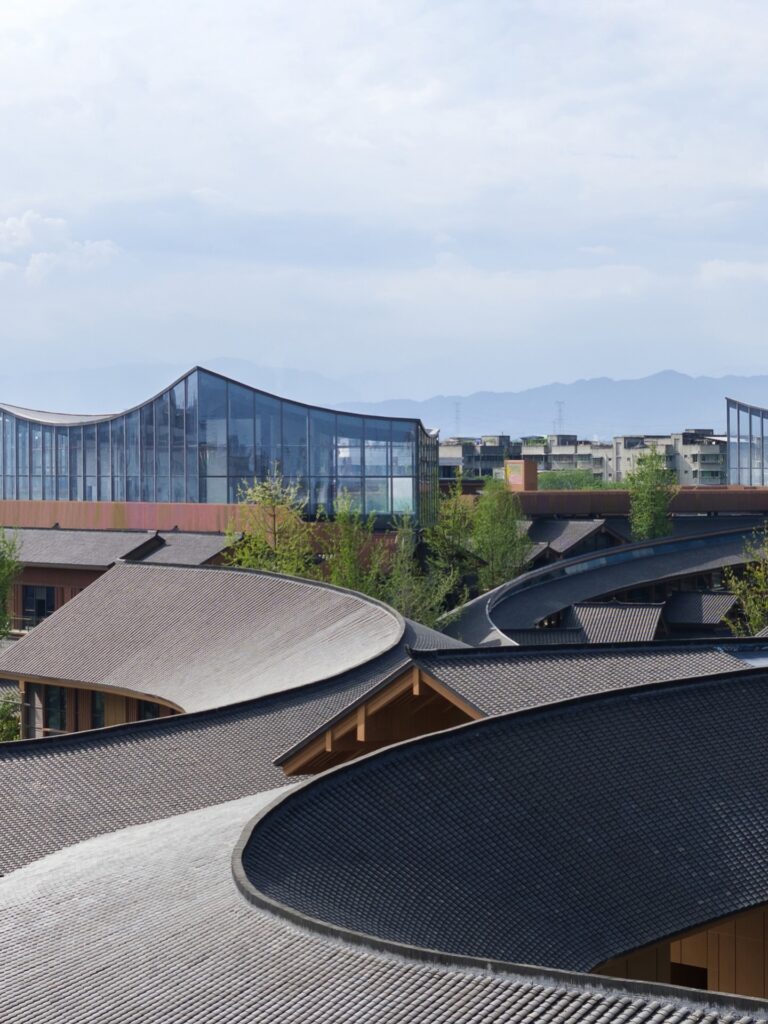
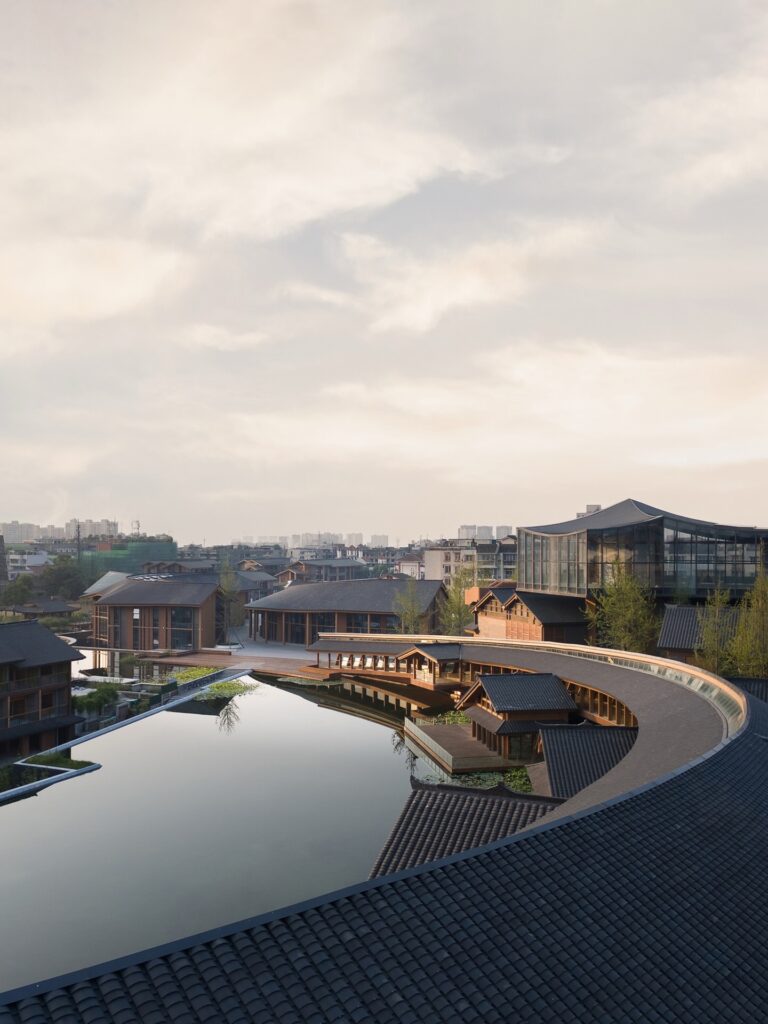
Beginning in 2019, local authorities initiated a large-scale regeneration strategy intended to reactivate the district through a mix of commercial, residential, hospitality, and cultural programs. Rather than pursuing a complete replacement of the existing urban fabric, the project focused on redefining the area as a new civic and economic center capable of sustaining long-term activity.
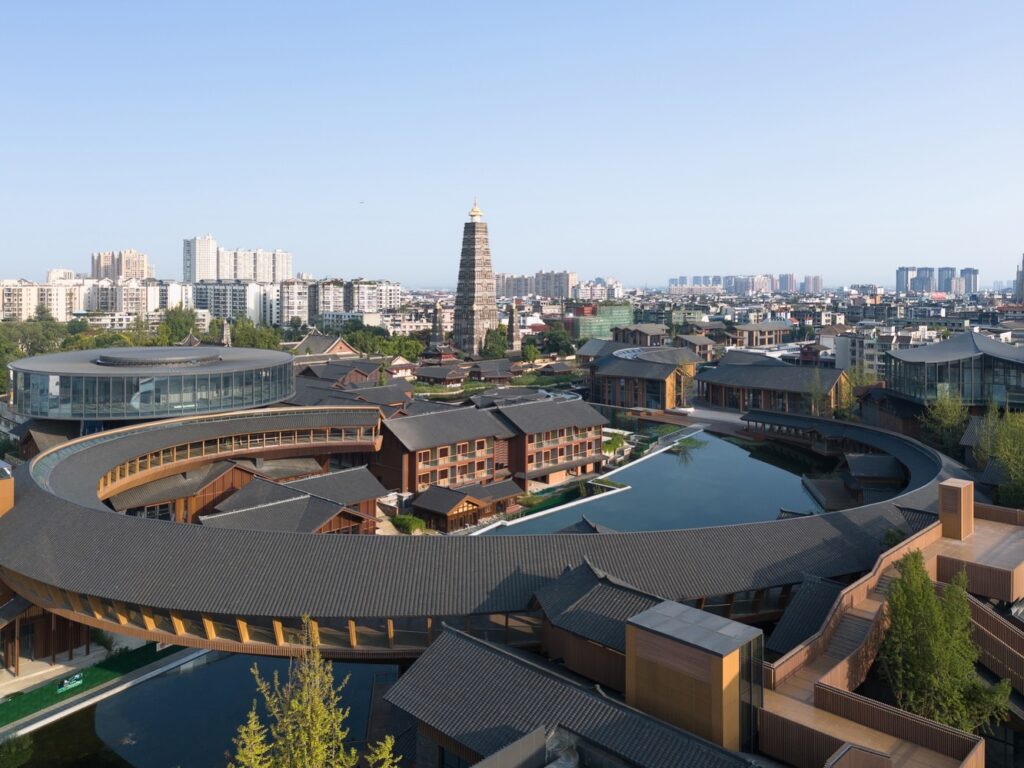
Led by architect Luoyi Yin, the design strategy introduced a carefully calibrated balance between financial sustainability and spatial continuity. The planning process addressed both development costs and long-term operational viability, shaping a framework where different functions could coexist without weakening the identity of the district. Commercial activity was distributed in relation to cultural zones through a system the studio describes as “functional segmentation and dynamic integration,” allowing individual programs to maintain distinct roles while remaining connected within the broader urban experience.
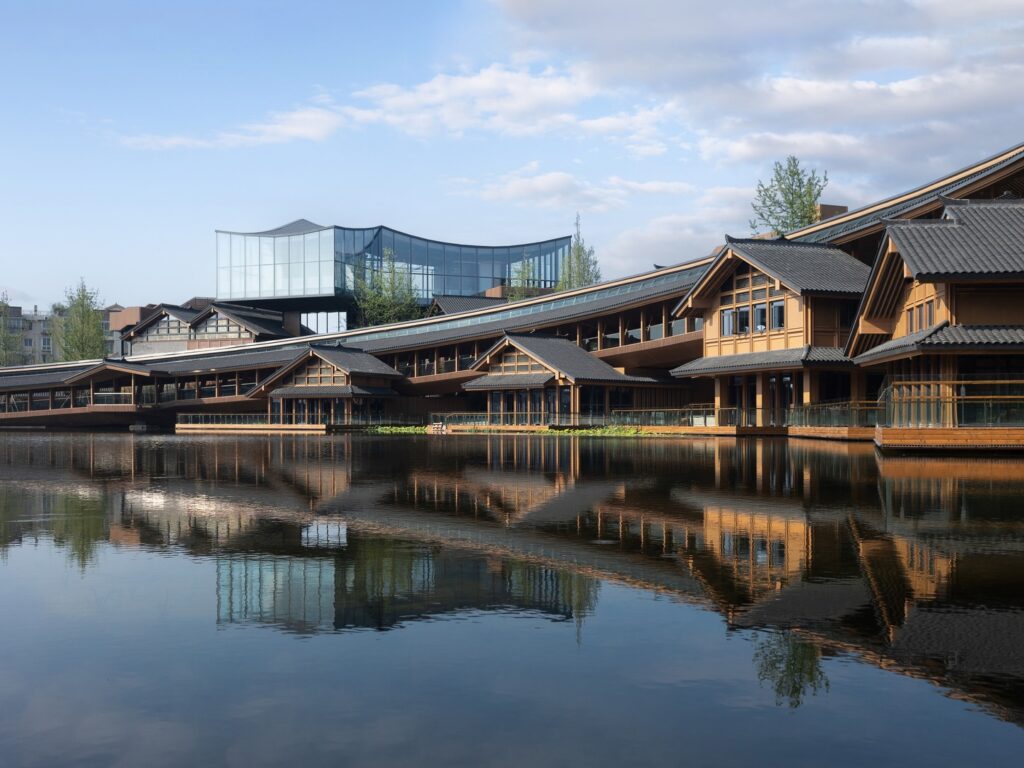
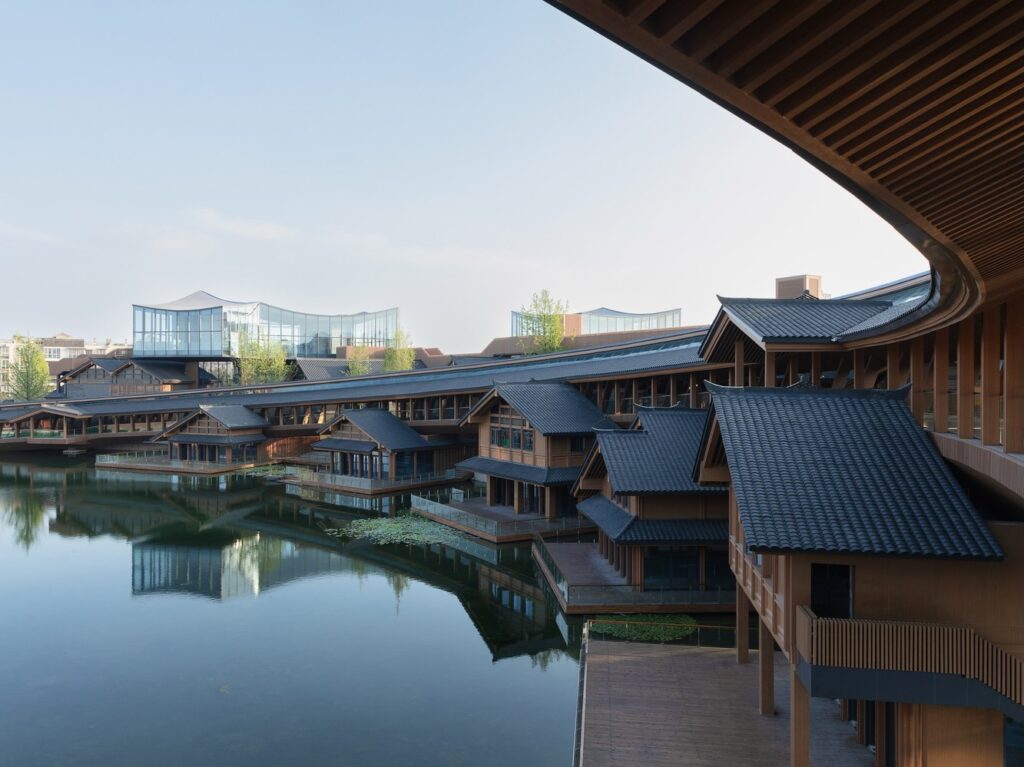
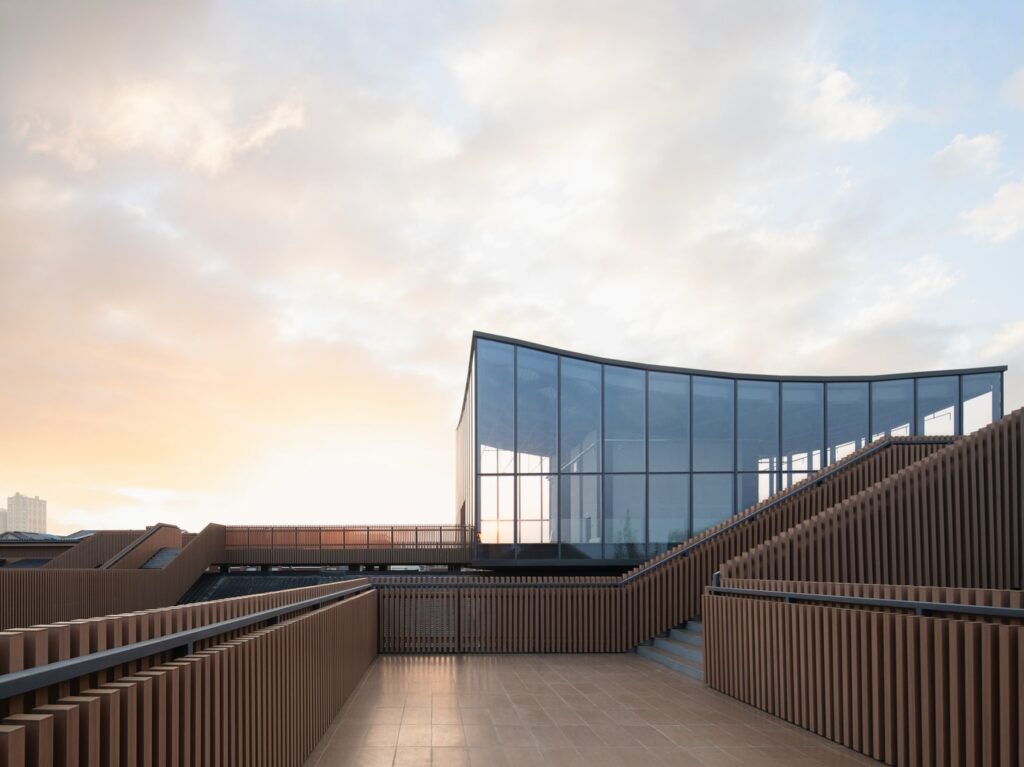
The renewal does not erase the memory of the neighborhood. Instead, it reorganizes circulation, density, and public activity around the historical presence of the temple and the social rhythms already embedded in the streets. The result is an urban environment that reconnects architecture, commerce, and everyday life within one of Pengzhou’s most historically layered districts.
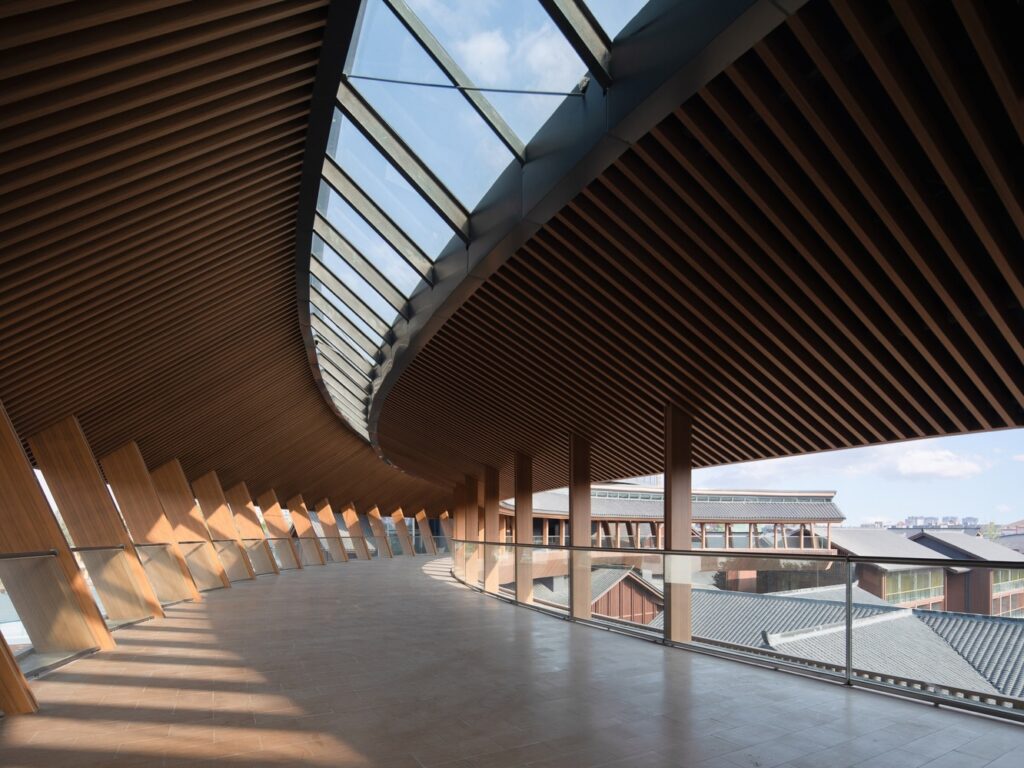
Project details:
Architects: BIAD-ASA Studio
Lead Architects: Luoyi Yin
Area: 157768 m²
Year: 2023
Location: Chengdu, China
Photo: (c) Arch-Exist