In the rapidly developing district of Vallecas, on the southeastern edge of Madrid, planners faced a familiar urban challenge: how to create comfortable and active public spaces before the landscape had time to mature. Rather than waiting decades for newly planted trees to provide shade and environmental benefits, architecture studio Ecosistema Urbano introduced an innovative temporary solution known as the Eco Boulevard.
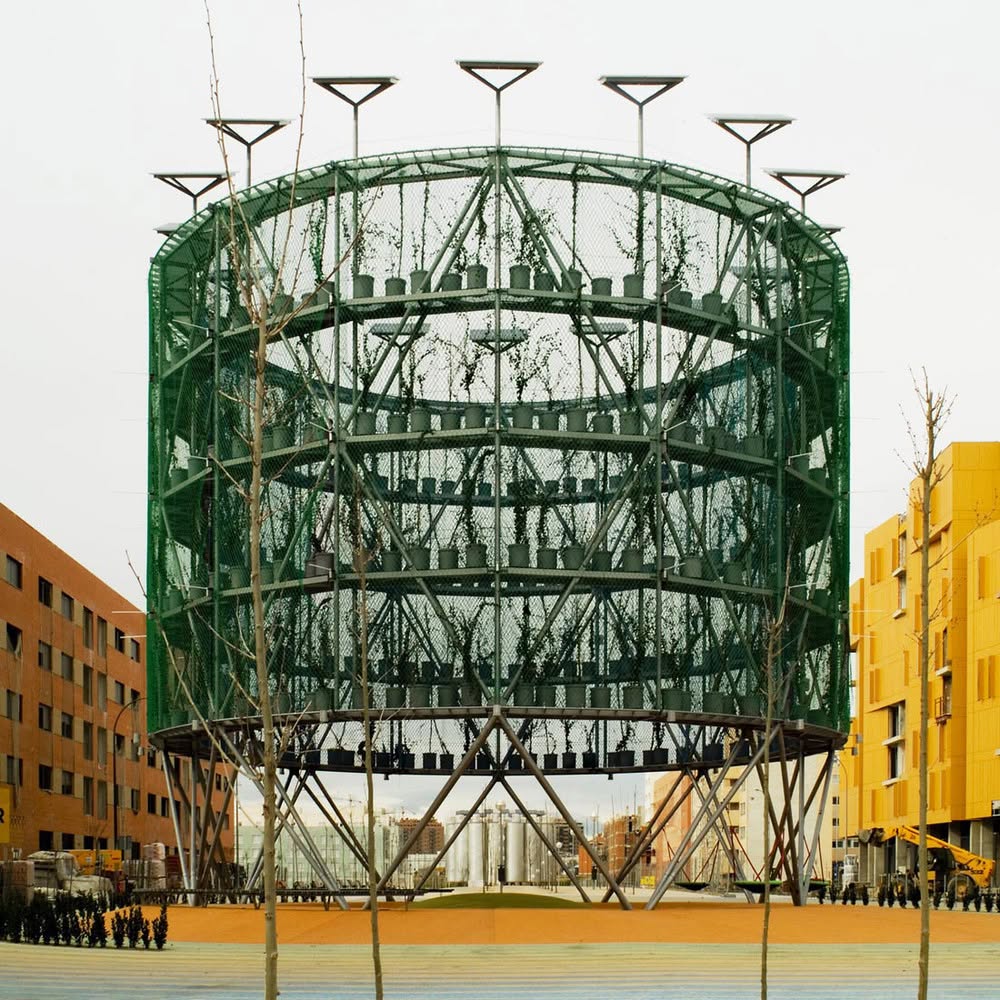
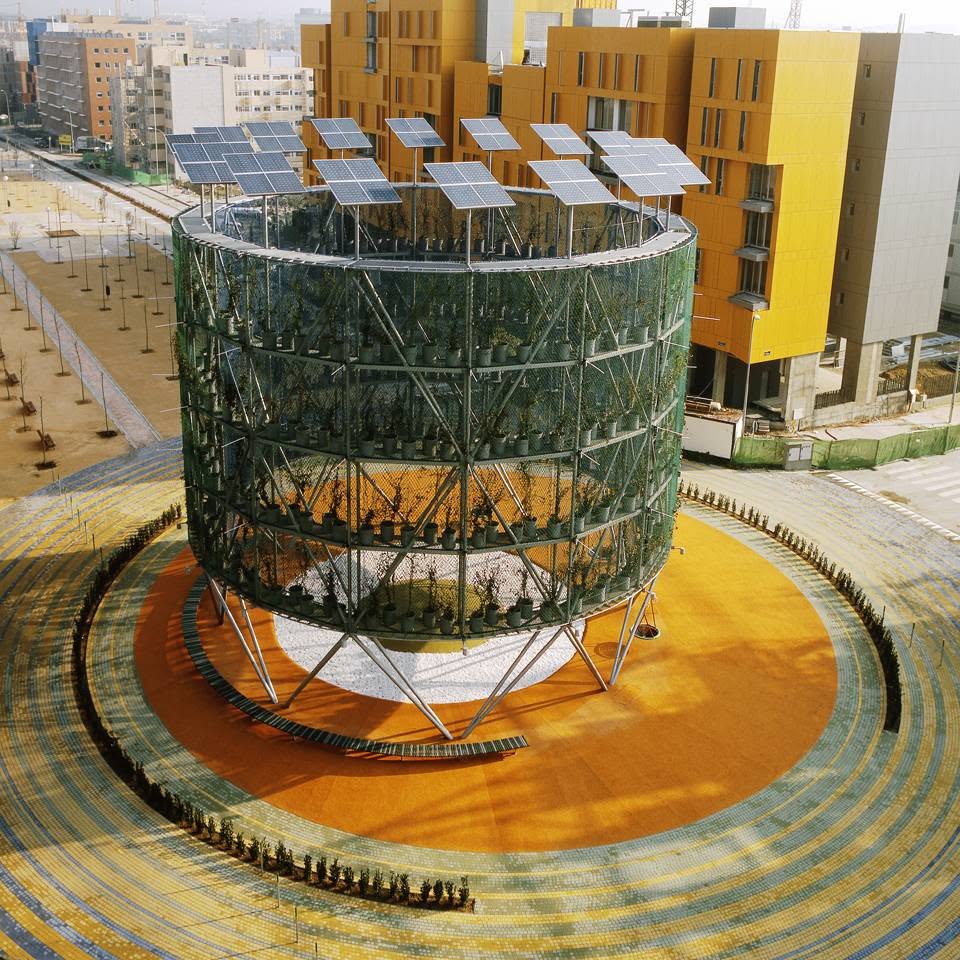
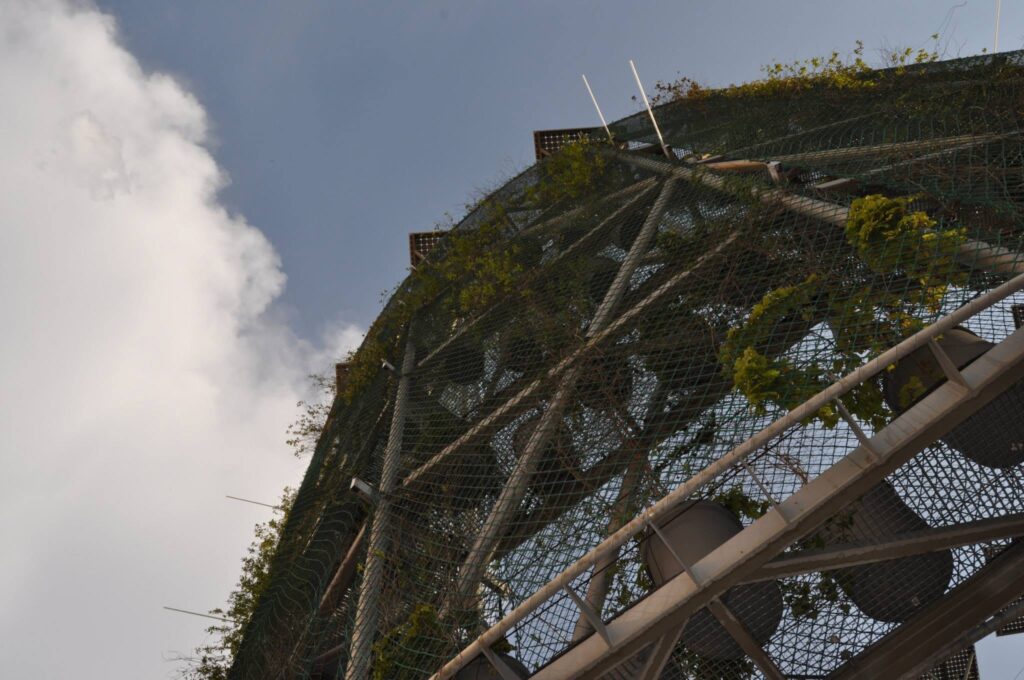
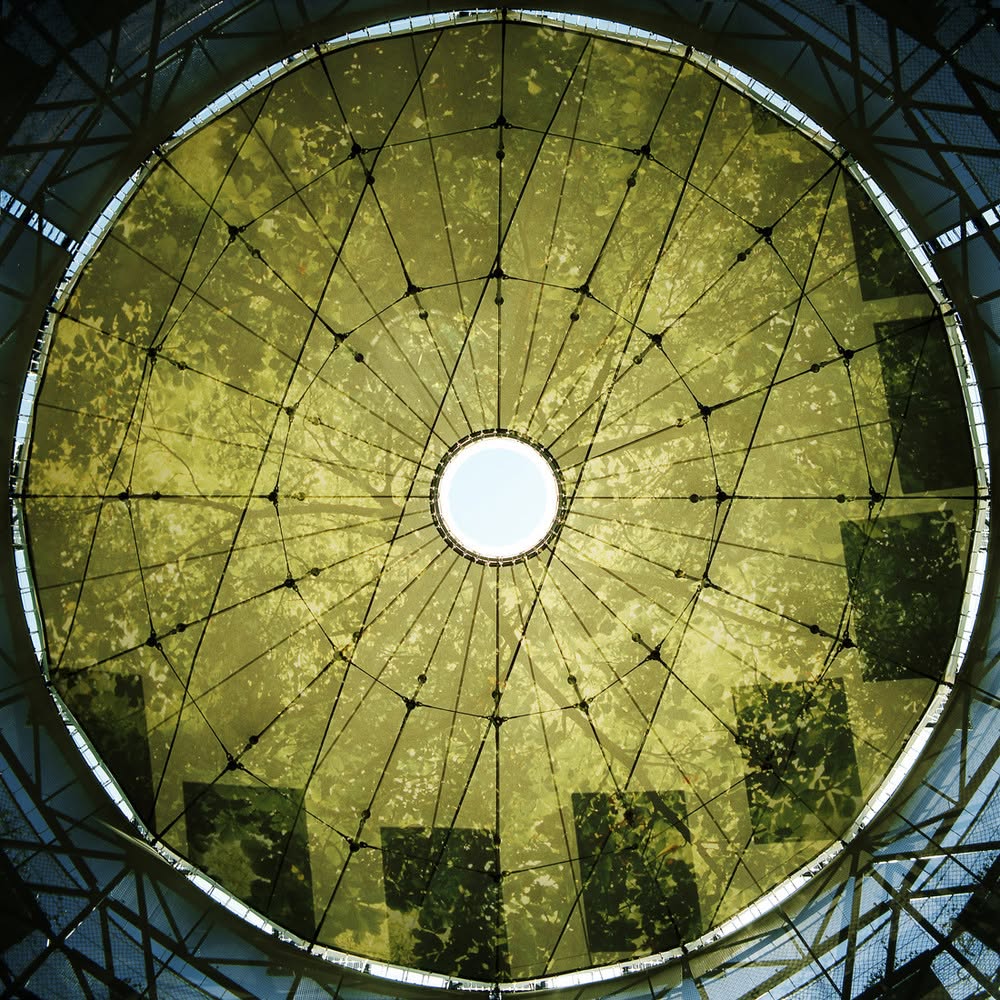
At the heart of the project are three striking structures often referred to as “air trees”, lightweight urban installations designed to function as both climate regulators and social gathering points from the moment the neighborhood became inhabited. More than simple shelters, these multifunctional pavilions were conceived as self-sustaining pieces of infrastructure capable of supporting public life while the surrounding ecosystem gradually developed.
Constructed from metal frameworks, the structures integrate a range of environmental technologies, including photovoltaic panels, vegetation, projection surfaces and passive cooling systems inspired by agricultural engineering. Wind-capturing devices, fans, atomized water systems and aluminum diffusers work together to lower temperatures and improve comfort during Madrid’s hot summers.
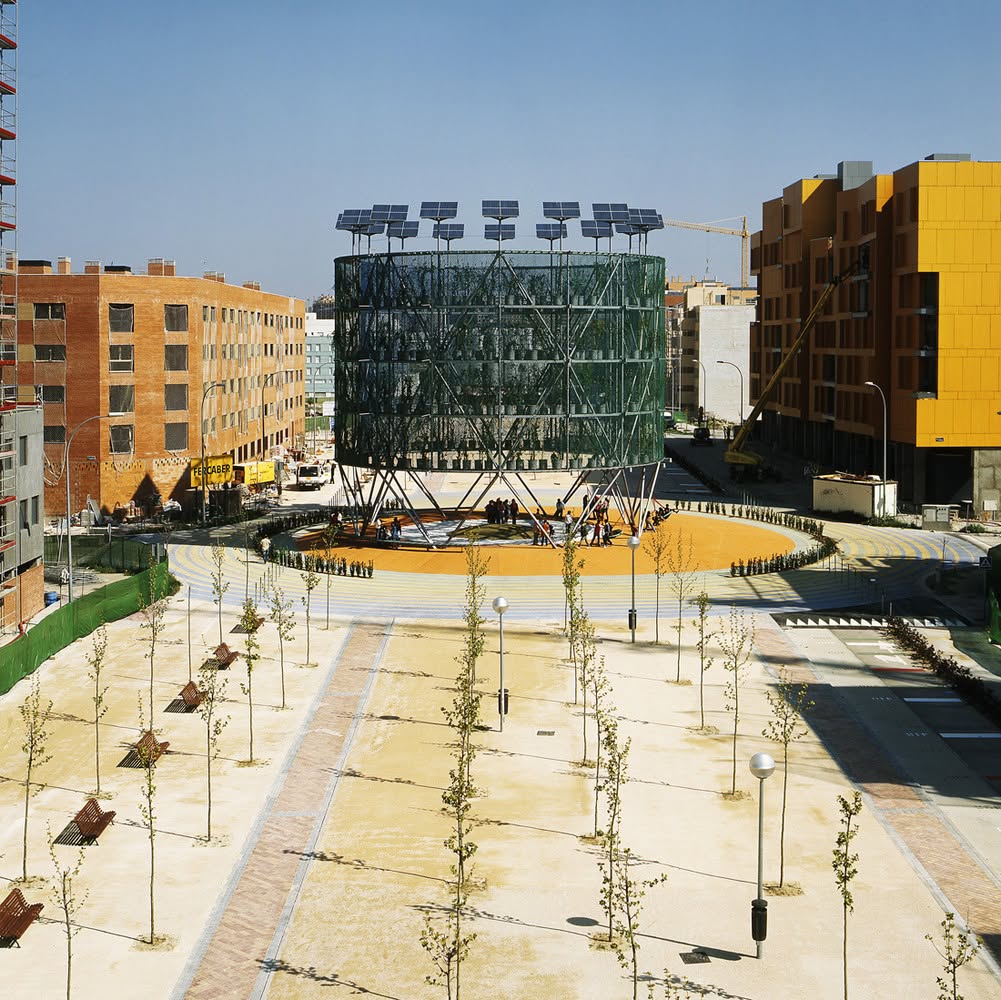
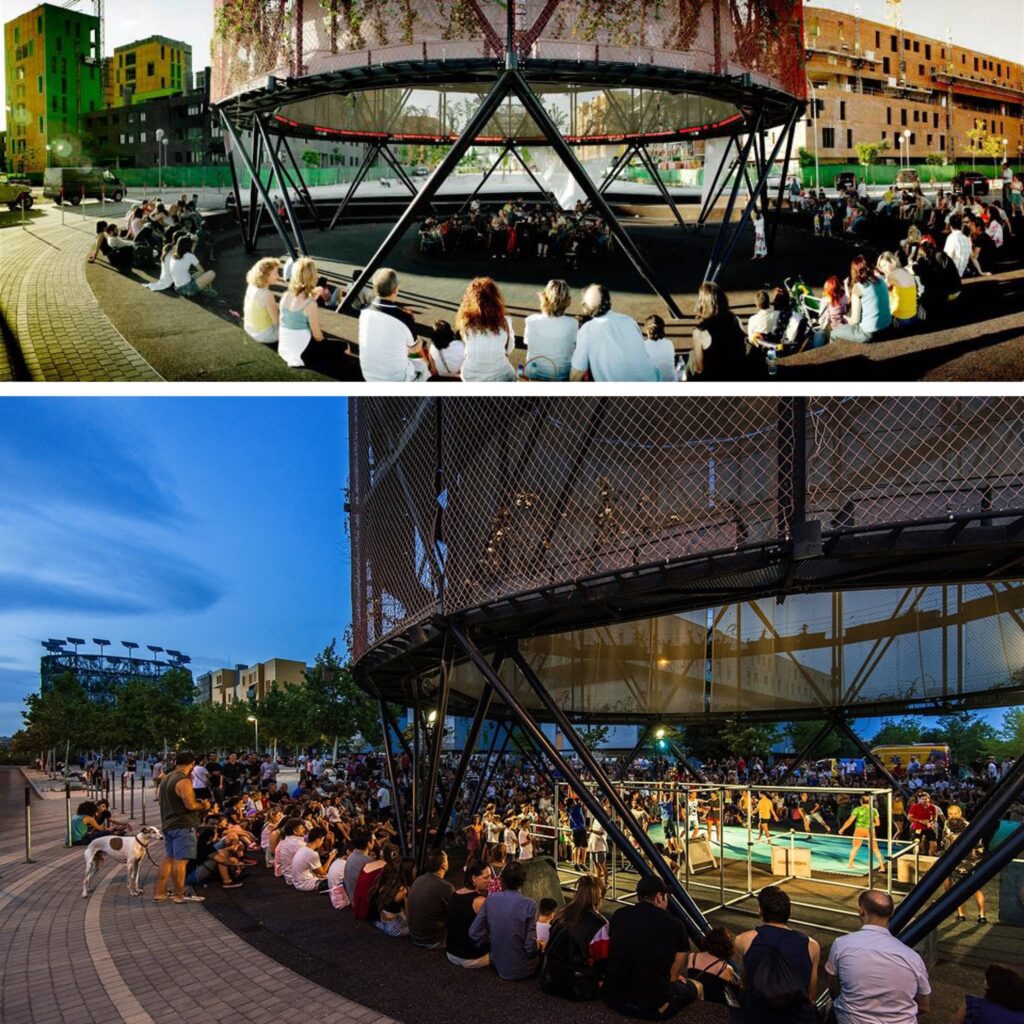
The intervention extends beyond the structures themselves. The surrounding ground plane was carefully designed to encourage interaction, incorporating seating areas, gentle topographical variations and informal spaces for gathering, resting and community activities. As a result, the boulevard became an active civic environment long before natural shade could emerge.
A key aspect of the project is its temporary nature. The “air trees” were never intended as permanent monuments but as urban catalysts, artificial supports filling a gap in the landscape during its early stages. As the newly planted vegetation grows and eventually assumes the environmental functions of shading and cooling, the structures can be dismantled and removed.
In this way, the Eco Boulevard proposes a flexible model for urban development, where architecture acts as a transitional tool rather than a permanent intervention. Once the surrounding trees reach maturity, the artificial infrastructure can disappear, leaving behind open clearings embedded within a fully established public landscape.
Ecosistema Urbano online:
Website
Facebook
Instagram
Photo: (c) Ecosistema Urbano