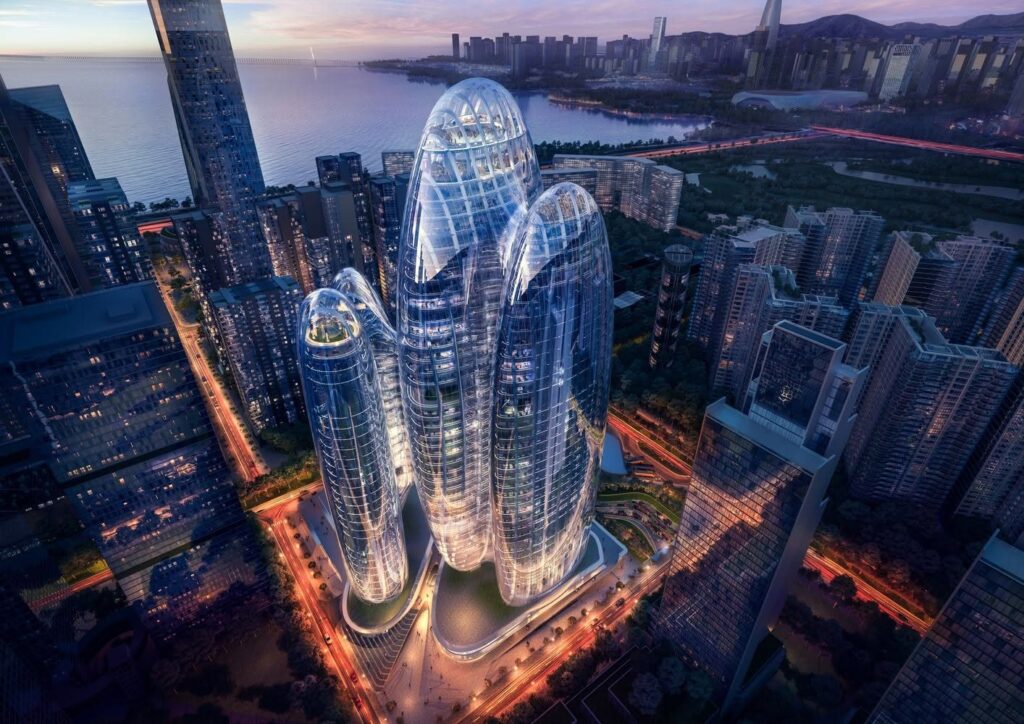
A major new headquarters designed by Zaha Hadid Architects is steadily emerging on the skyline of Shenzhen. With construction progressing and the installation of the façade now underway, the OPPO Shenzhen Campus is beginning to reveal the architectural vision behind one of the city’s most ambitious corporate developments.
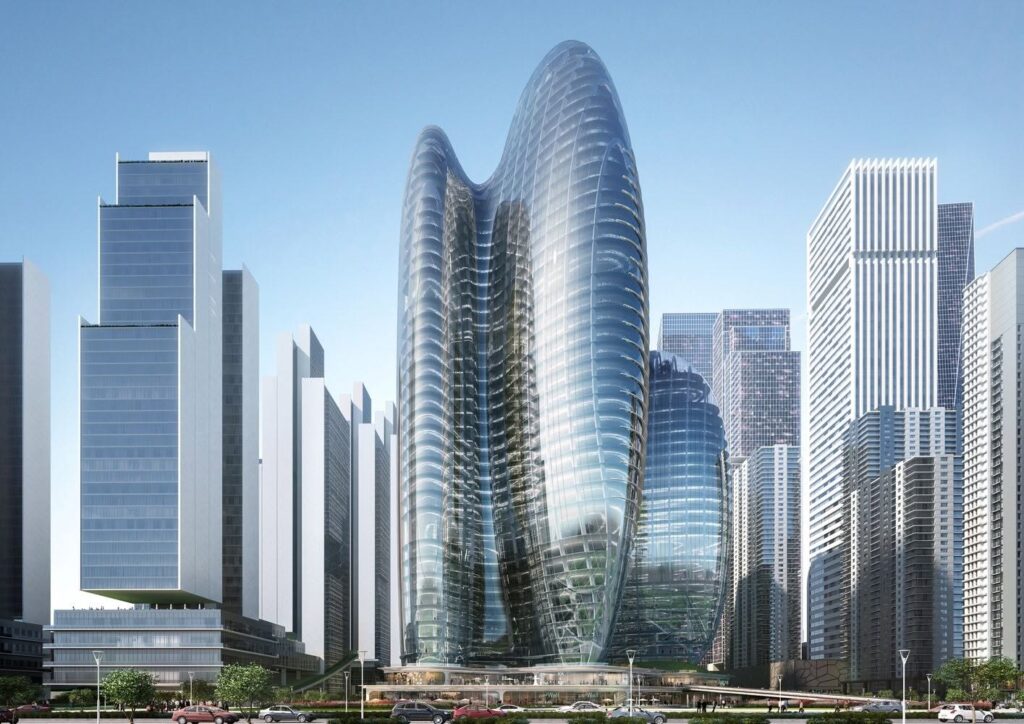
Covering approximately 185,000 square meters, the project is composed of four towers reaching up to 200 meters in height. Rather than operating as independent high-rise buildings, the towers are conceived as a connected ecosystem, linked through shared floors, expansive atrium spaces and a striking multi-storey vertical lobby that acts as the social and spatial heart of the complex.
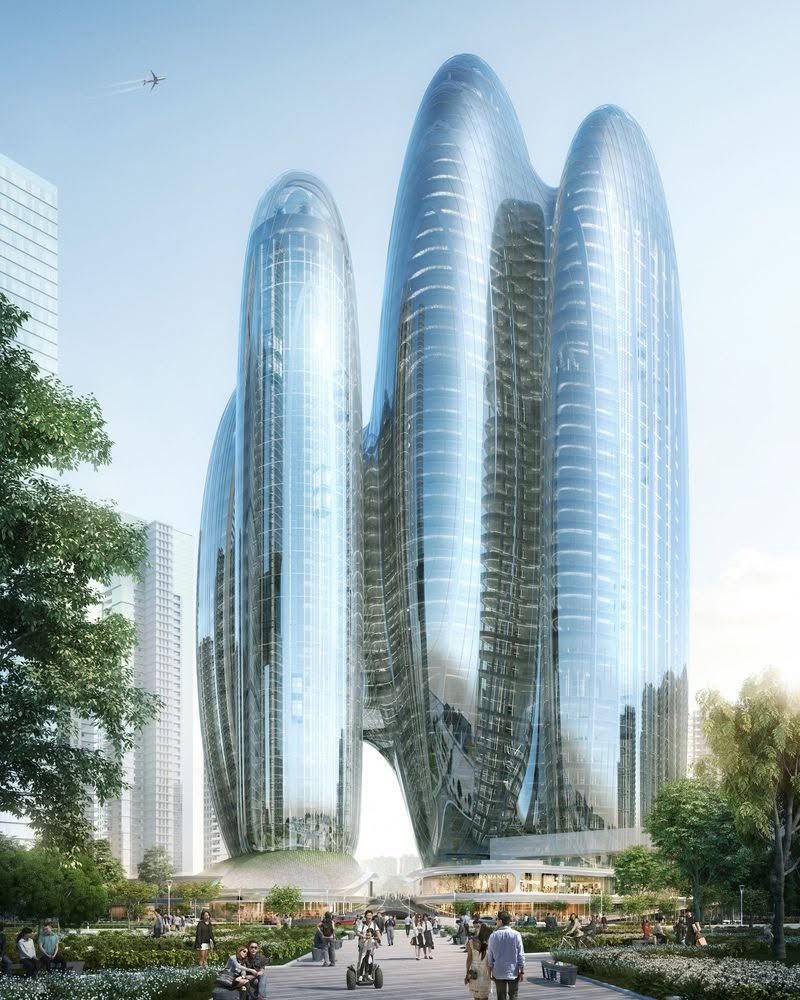
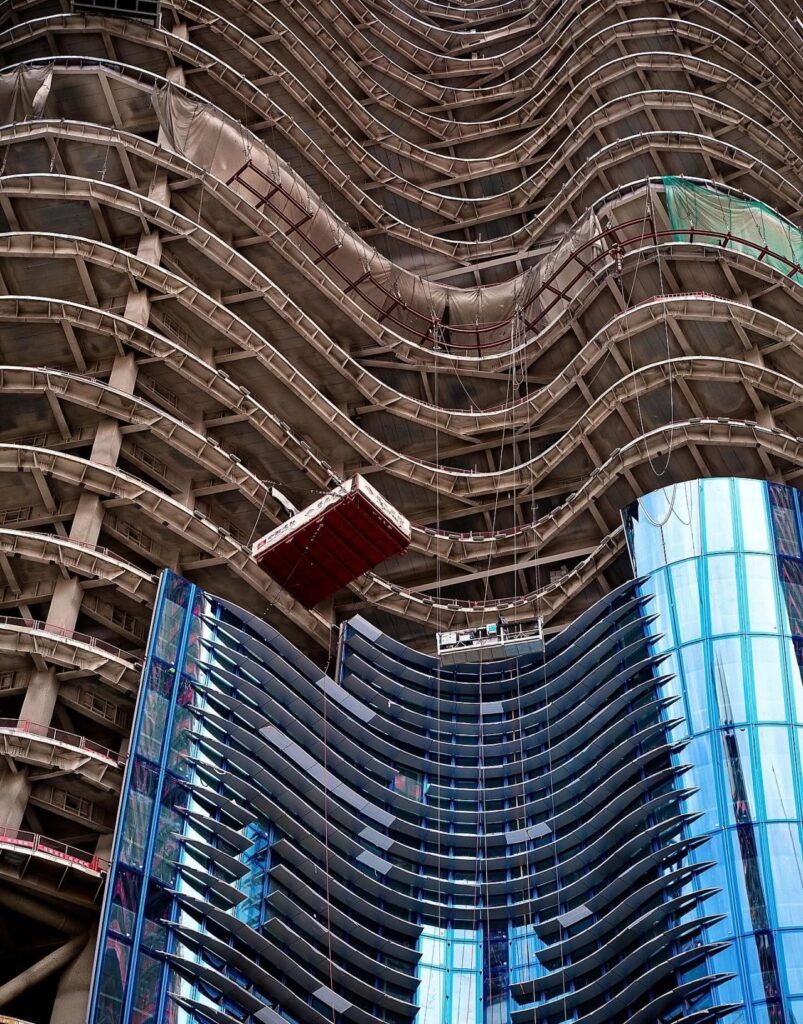
The design challenges the traditional office tower model by prioritizing interaction and connectivity across the workplace. Employees are encouraged to move between different areas of the campus through a network of interconnected spaces, fostering collaboration and creating a stronger sense of community within the organization.
One of the project’s most distinctive features is the decision to position service cores along the outer edges of the towers. Elevators, staircases and technical infrastructure are relocated to the perimeter, freeing the interior floor plates from structural constraints. This strategy maximizes flexibility while allowing natural daylight to penetrate deep into the workspace and providing uninterrupted views across Shenzhen Bay and the surrounding urban landscape.
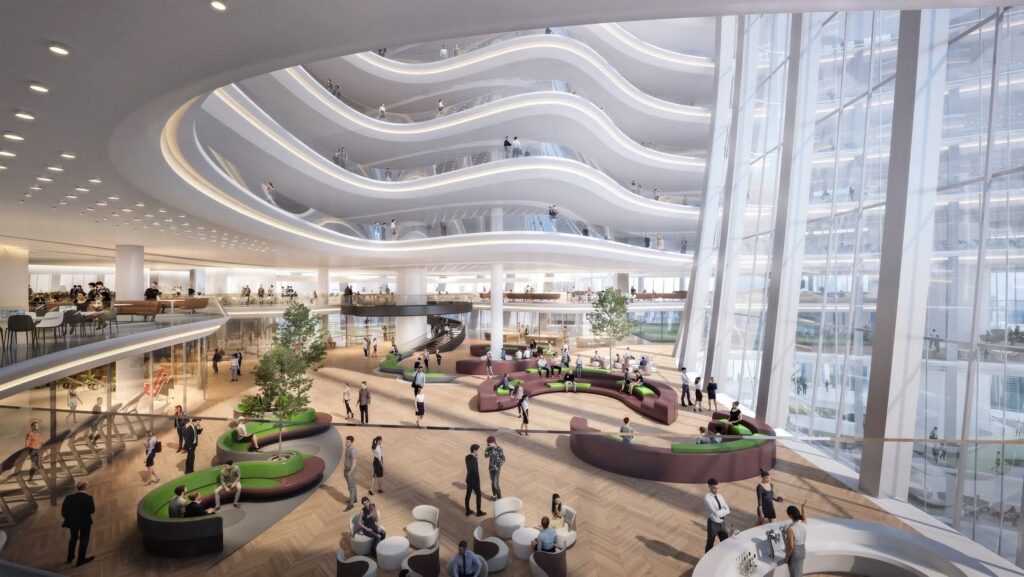
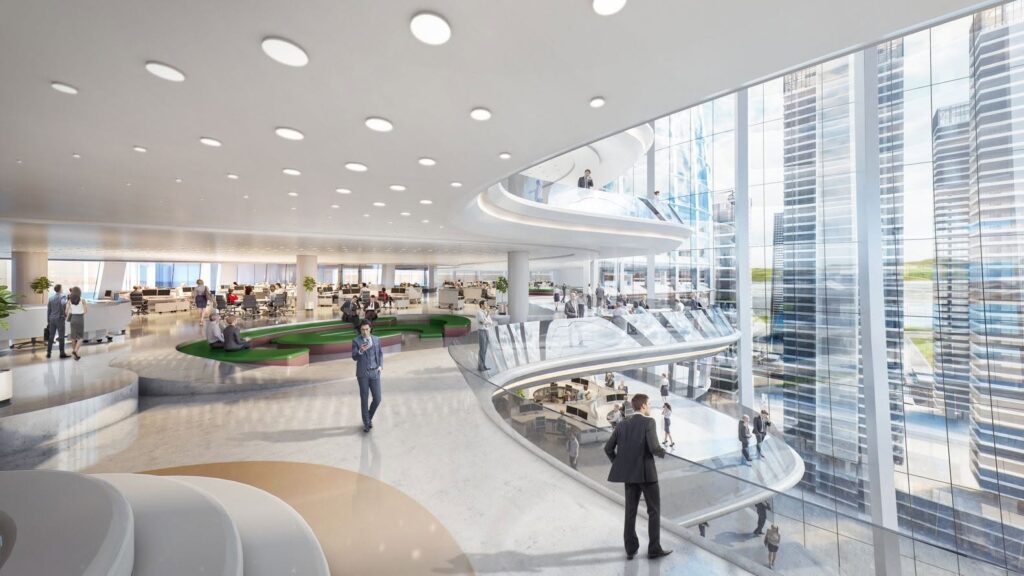
At street level, the development is designed to function as more than a corporate headquarters. Public plazas, landscaped areas, retail spaces and cultural amenities extend the project into the city, creating opportunities for interaction between employees, visitors and local residents. Direct connections to Shenzhen’s metro network further strengthen the relationship between the campus and its urban context.
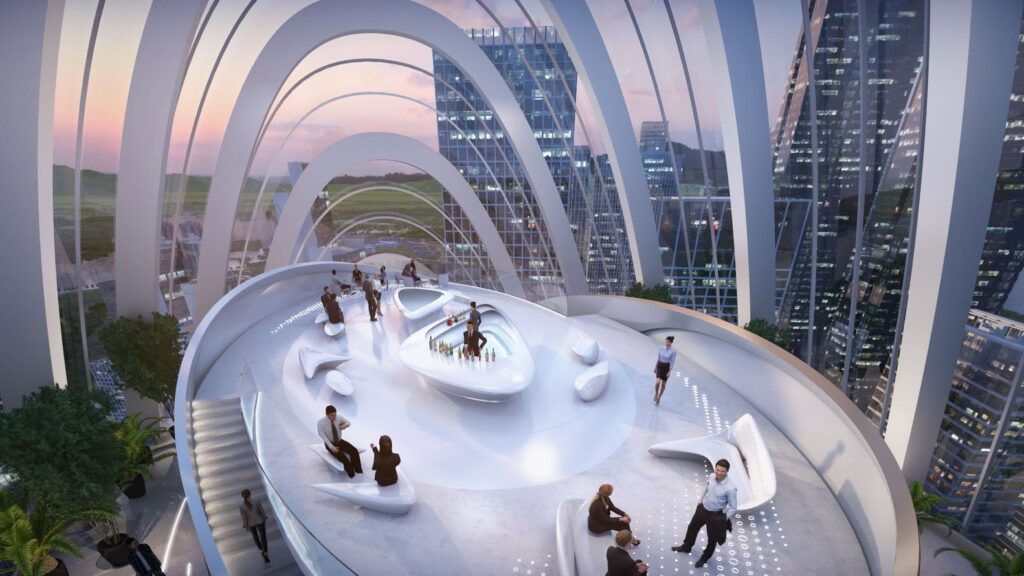
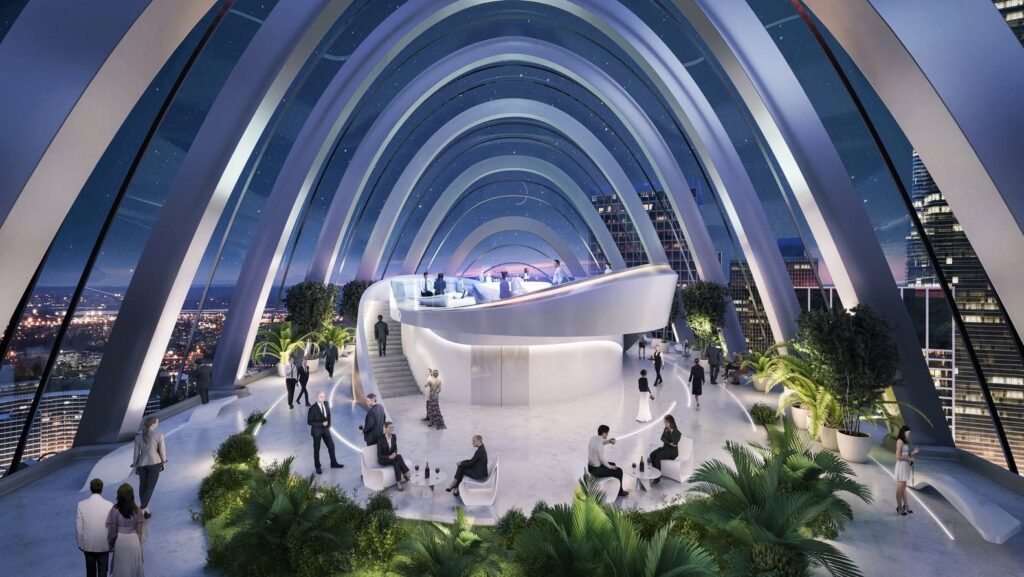
The flowing forms and interconnected composition continue Zaha Hadid Architects’ long-standing interest in movement, connectivity and adaptive environments. Rather than treating the workplace as a collection of isolated offices, the OPPO Shenzhen Campus proposes a more fluid model of working, one built around exchange, flexibility and continuous interaction.
As construction advances, the project is set to become not only a new landmark for Shenzhen but also a significant example of how contemporary workplace architecture can evolve to meet the demands of a more connected future.
Zaha Hadid Architects online:
Website
Instagram
Photo: (c) Zaha Hadid Architects