The historic Rashid Karami International Fair is being reimagined as a renewed cultural and civic destination for Tripoli, transforming one of the Middle East’s most significant modernist sites into a contemporary public hub rooted in both heritage and urban regeneration. The vision seeks to preserve the fair’s iconic architectural identity while introducing new layers of public life, cultural activity, and economic vitality.
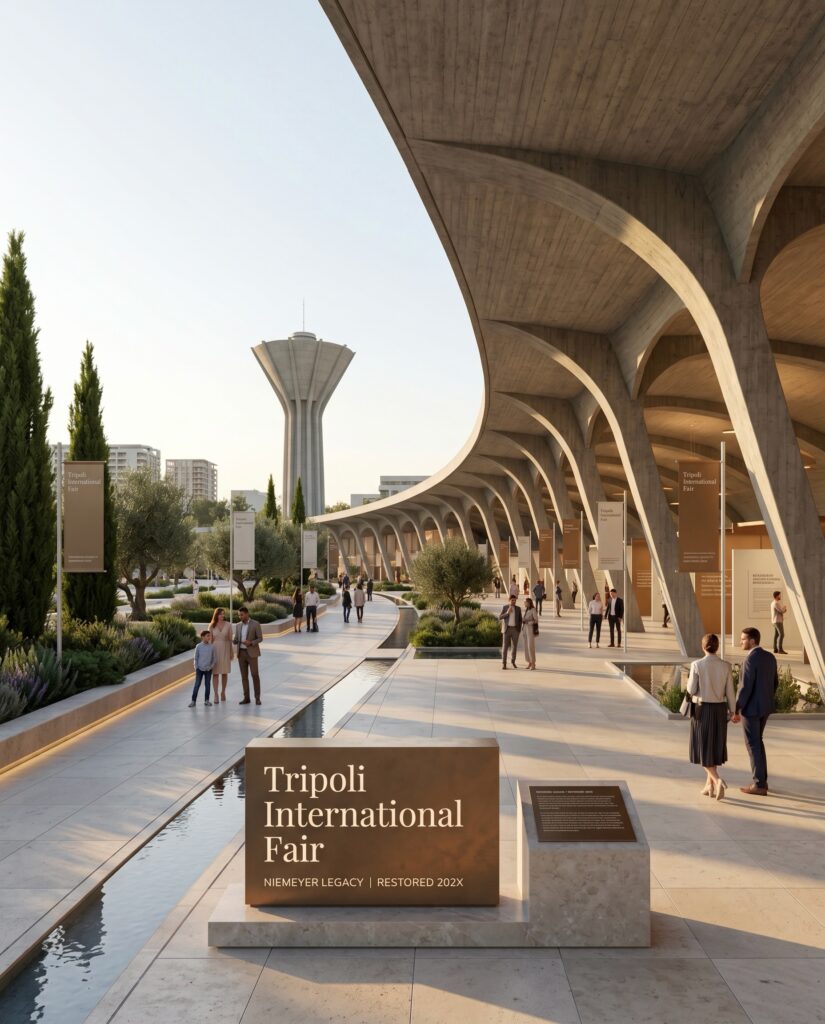
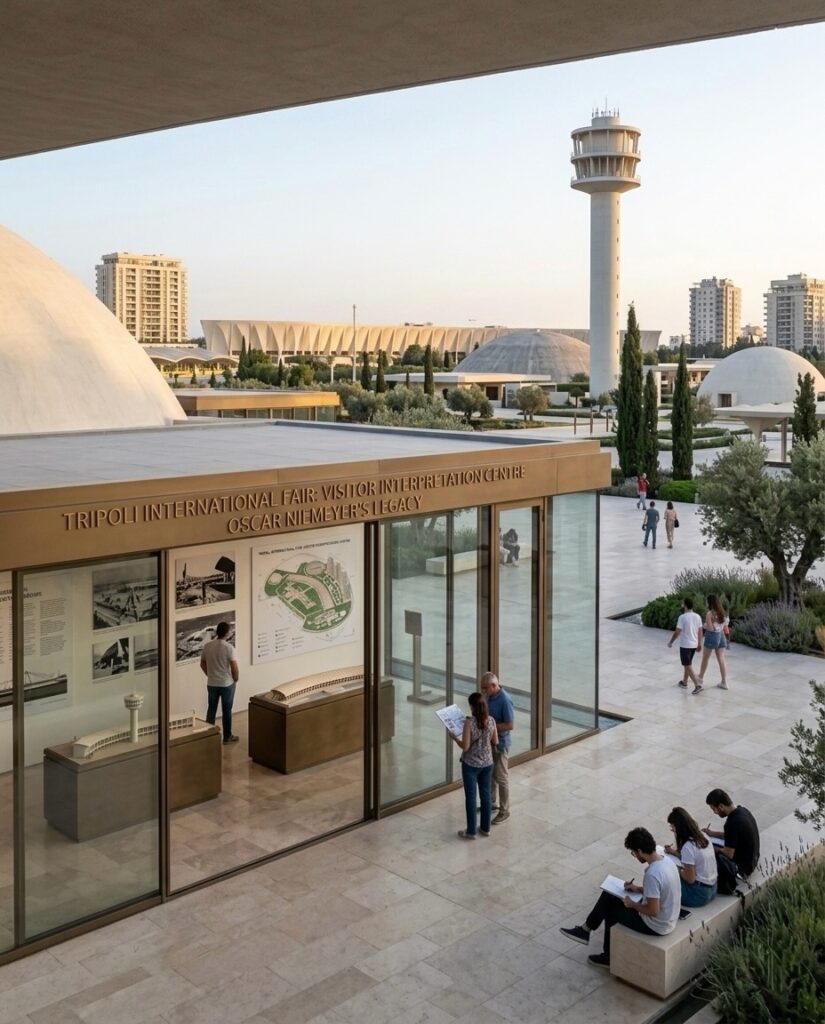
Originally conceived as a monumental expression of postwar modernism, the fairground remains closely associated with its striking concrete structures and expansive civic scale. Rather than treating the site as a frozen historical artifact, the redevelopment proposes a more dynamic approach, one that restores and reactivates the complex while adapting it to contemporary urban needs. Refined pedestrian promenades, Mediterranean gardens, open-air plazas, cafés, and carefully integrated lighting strategies reshape the experience of the site without erasing its original character.
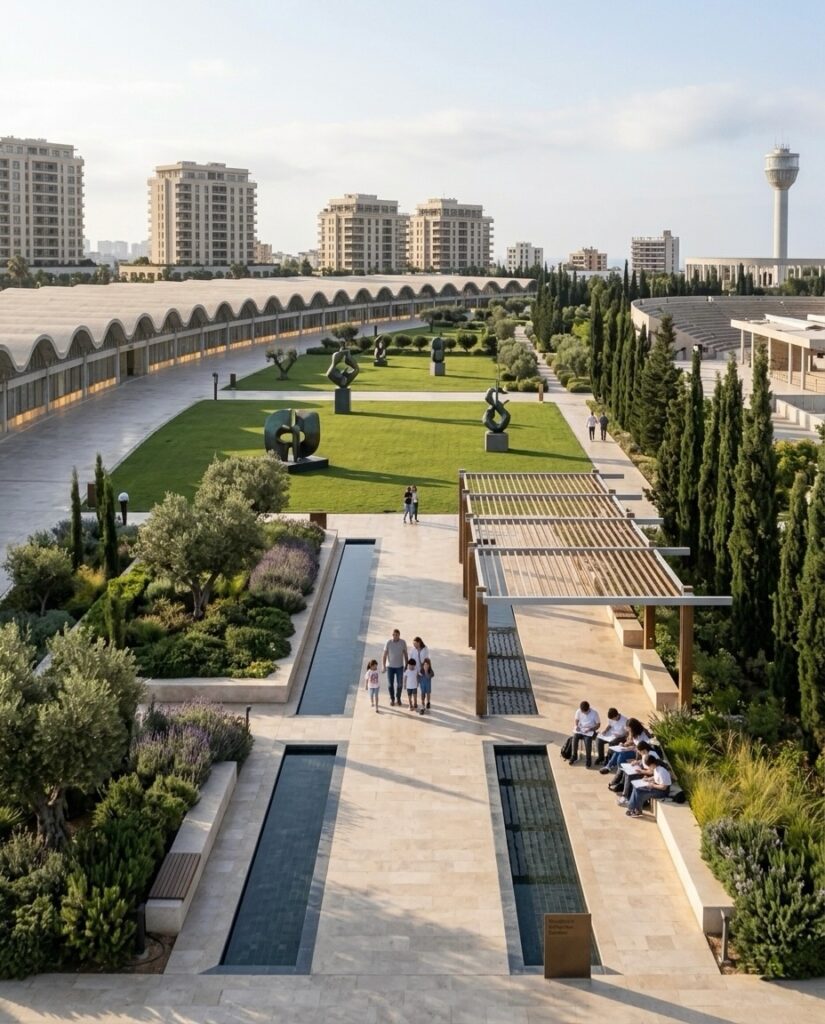
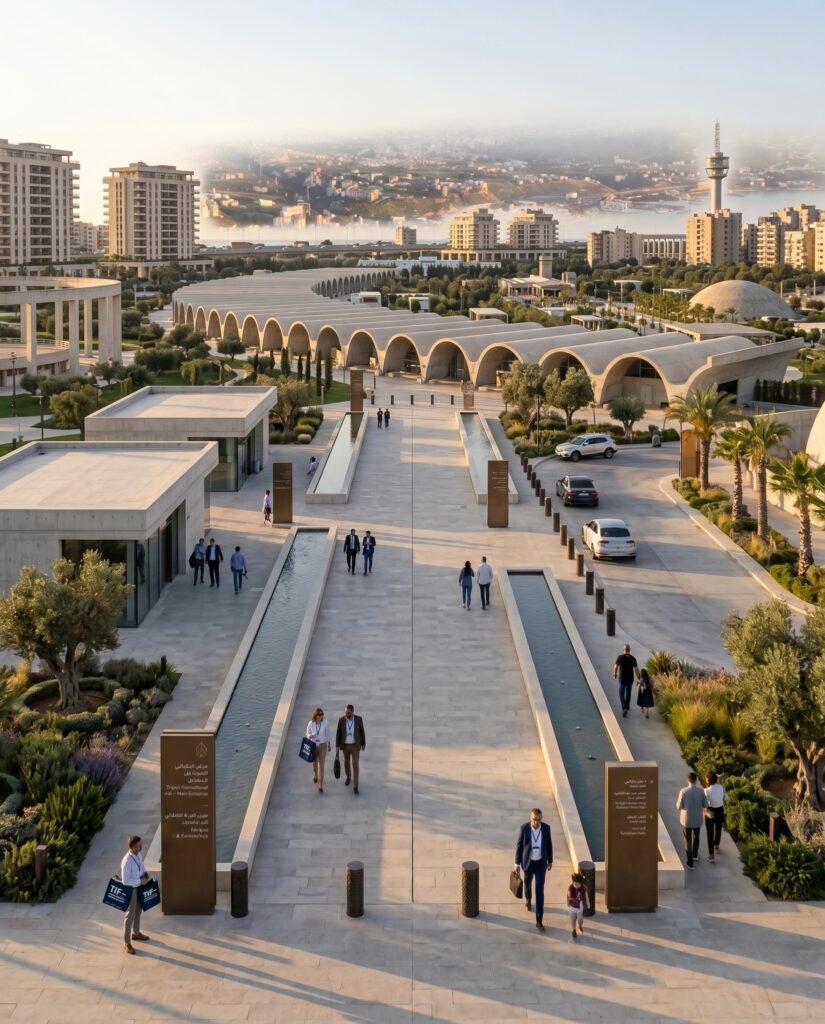
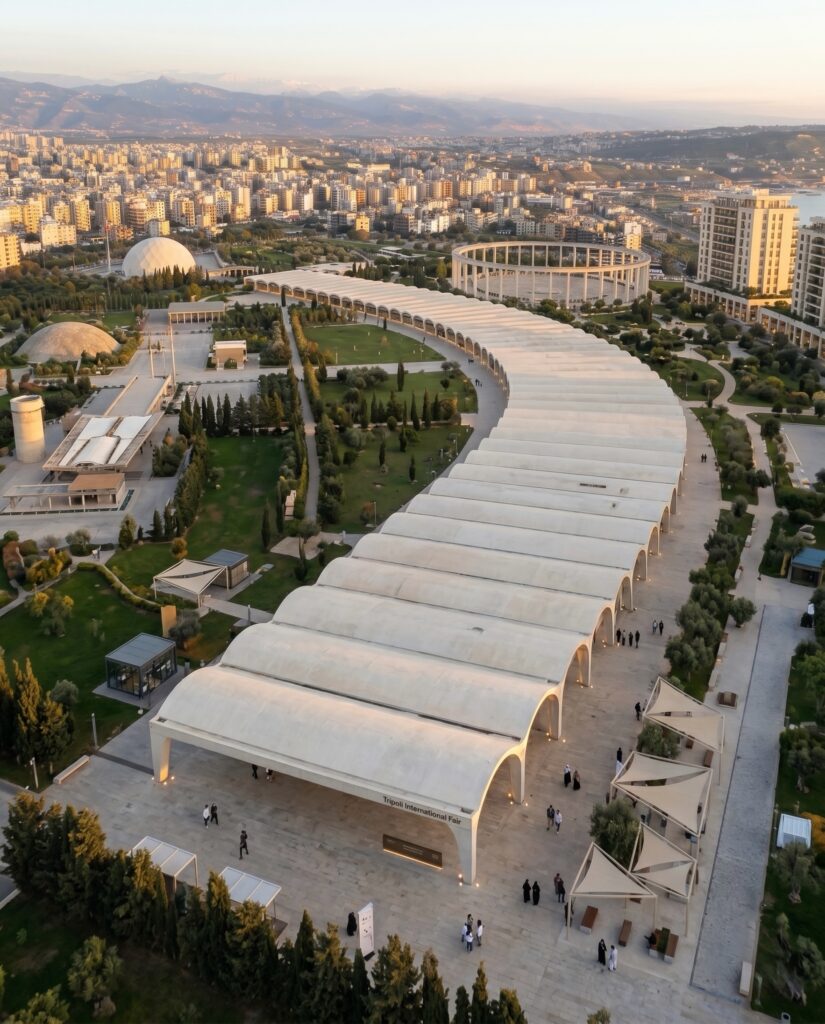
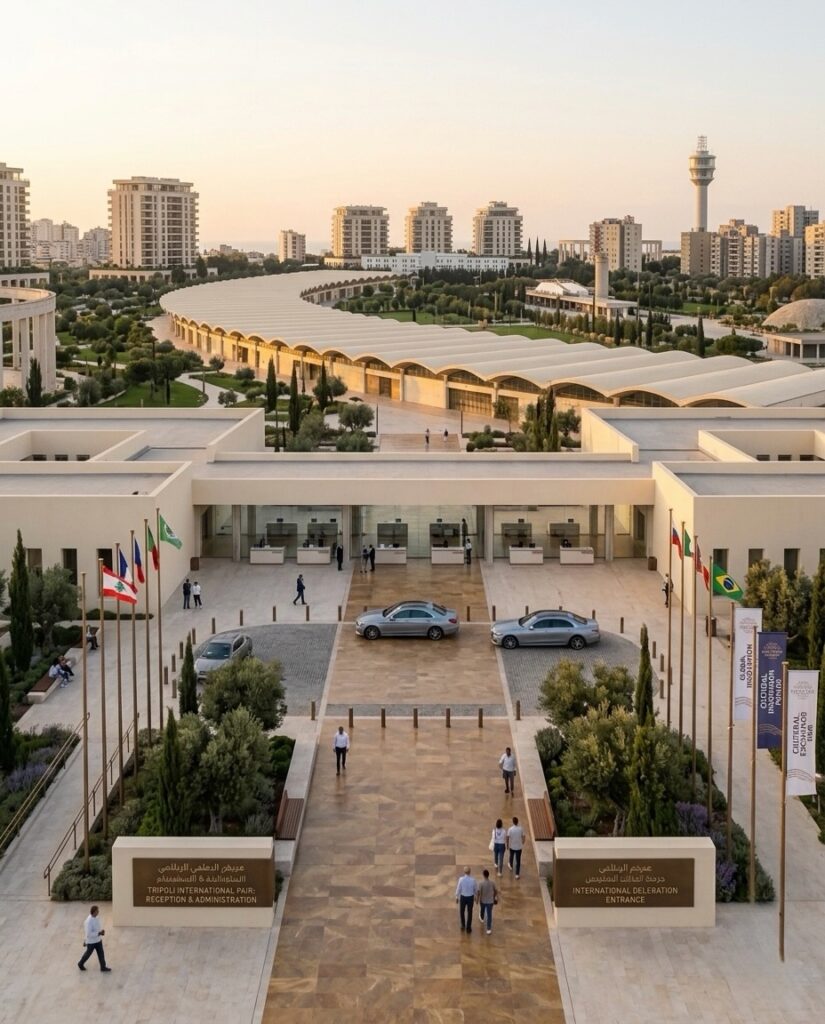
The project also introduces a new urban edge composed of residential towers, commercial programs, and mixed-use spaces intended to reconnect the fairgrounds with the surrounding city. Positioned between the dense urban fabric of Tripoli, the coastal highway, and the Mediterranean shoreline, the redevelopment aims to transform the area into an active point of exchange between culture, commerce, tourism, and everyday public life.
At its core, the proposal frames architecture as something capable of evolving across generations. The fairgrounds would host exhibitions, design events, festivals, innovation forums, and civic gatherings while preserving the powerful spatial language that originally defined the complex. In doing so, the project positions the site not only as an architectural landmark, but also as a catalyst for broader urban renewal and cultural reactivation within Tripoli itself.
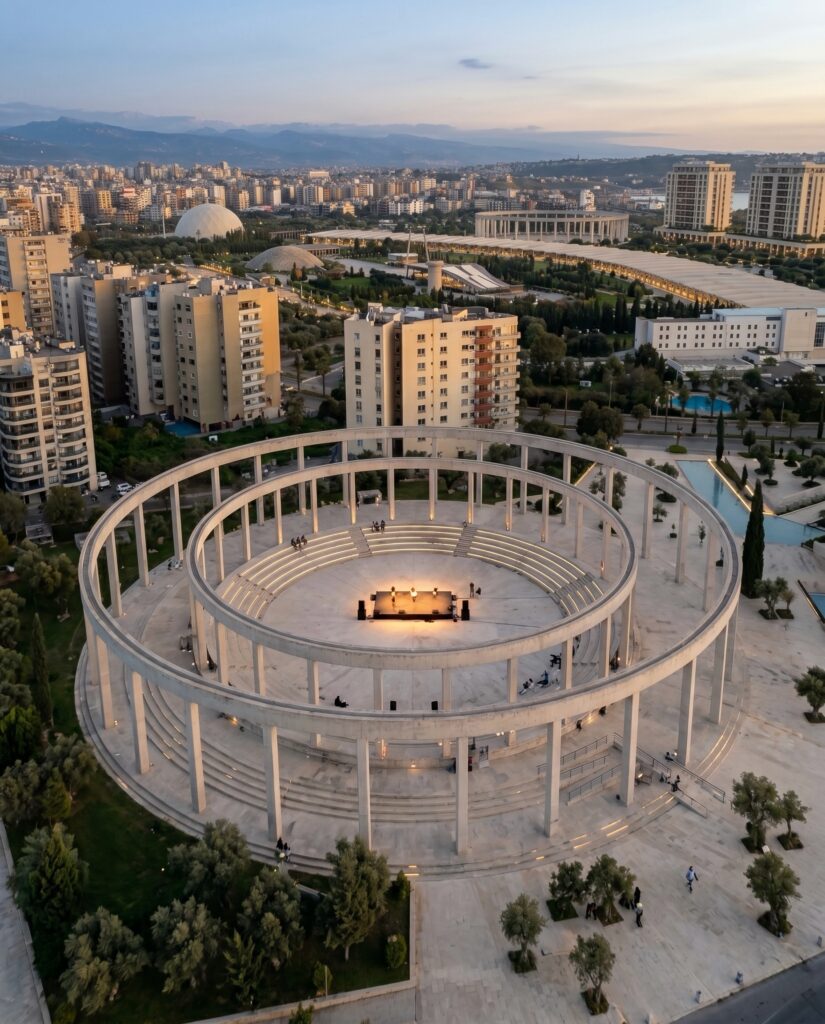
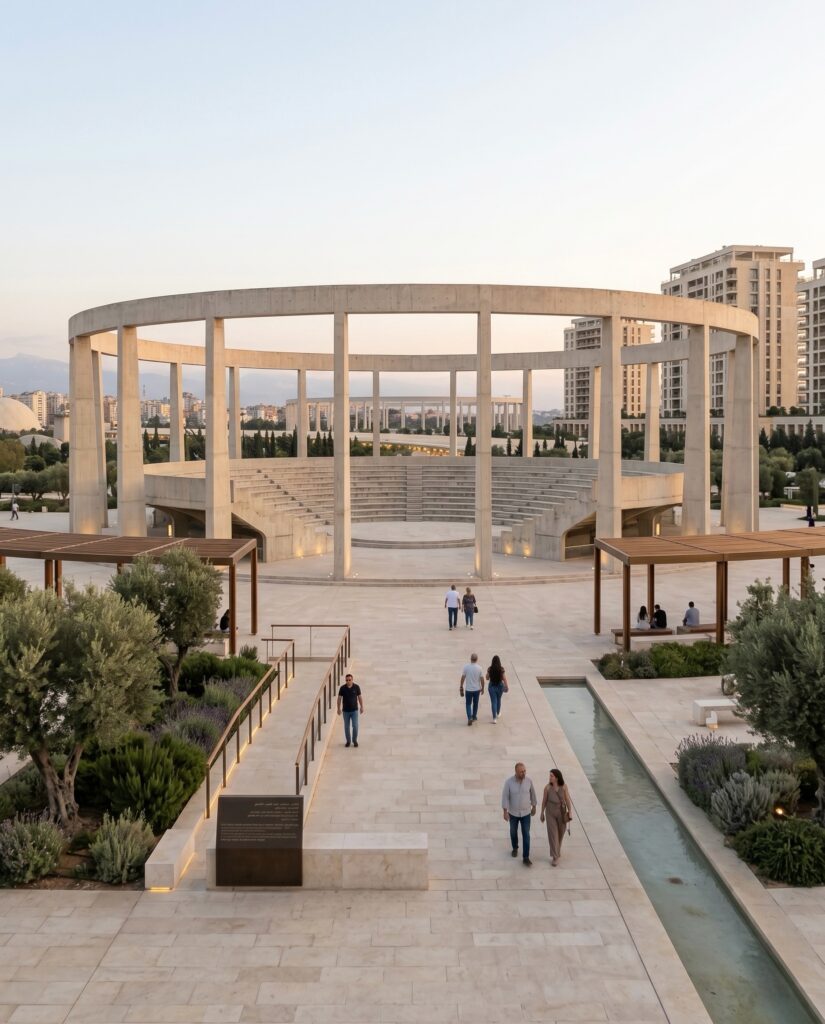
More than a restoration, the transformation of the Rashid Karami International Fair represents an attempt to reconnect a celebrated modernist legacy with the realities of contemporary Lebanon, allowing the site to move forward without losing the historical and architectural significance that made it iconic in the first place.
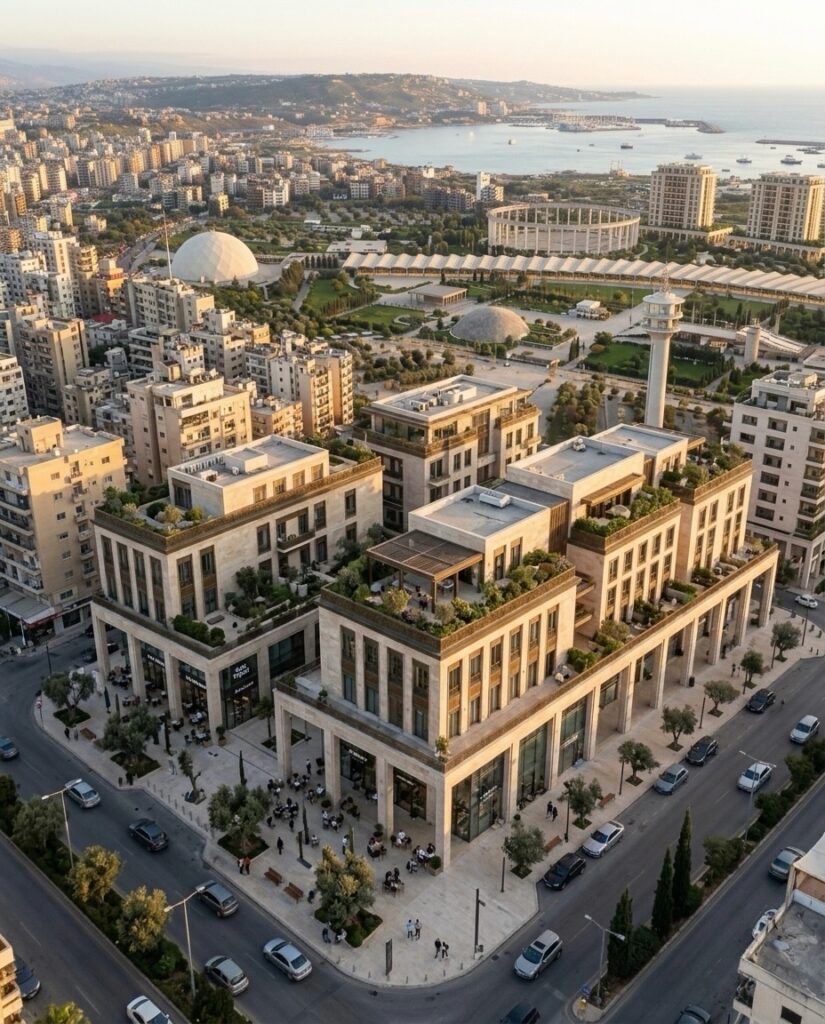
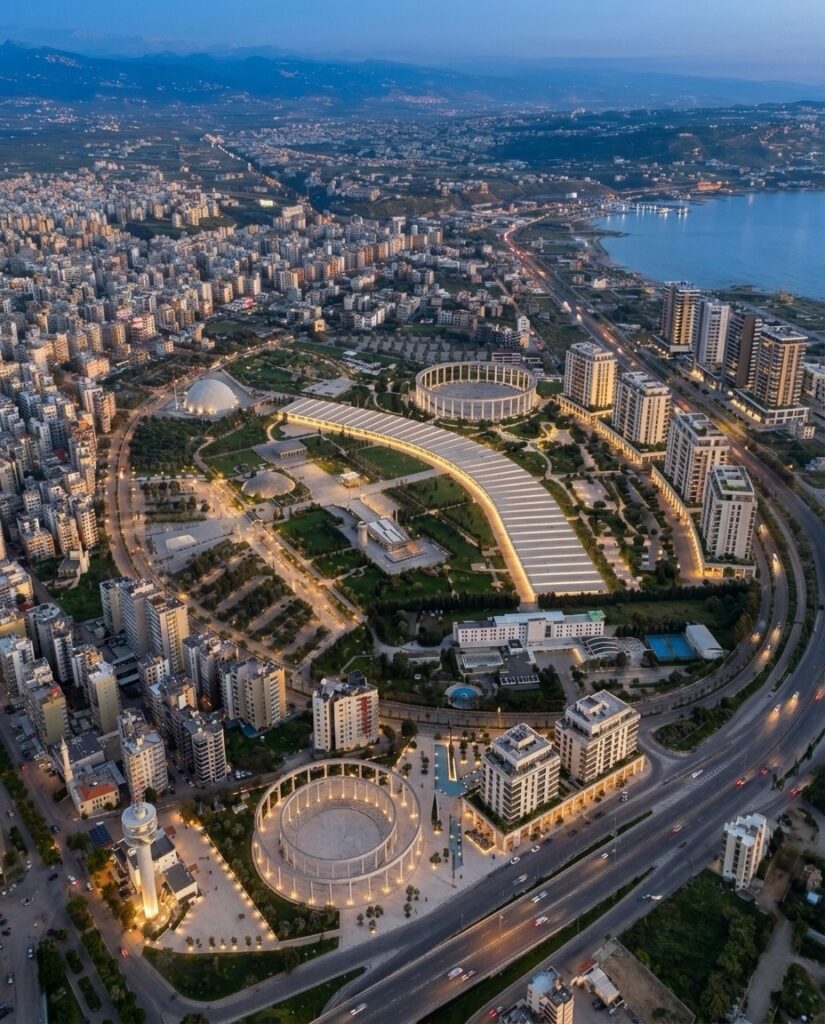
Photo: (c) Canon & Drone Photographer