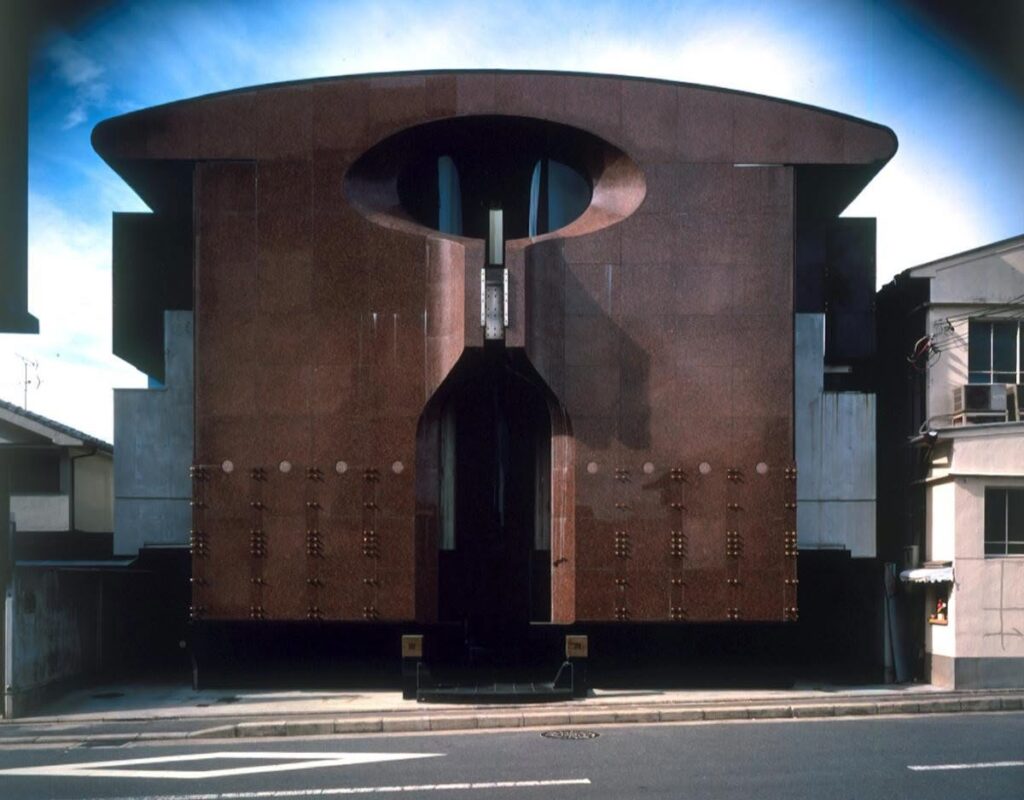
For Shin Takamatsu, architecture was never exhausted by the act of building. The structure was only the visible consequence of something that began much earlier: an idea, a question, an internal necessity searching for form.
He once likened the making of architecture to the forging of a sword. Both demand time, discipline and an almost obsessive attention to detail. Every decision matters. Every gesture must carry intention. The final object may appear complete, but its precision is the result of countless invisible acts of adjustment, resistance and thought.
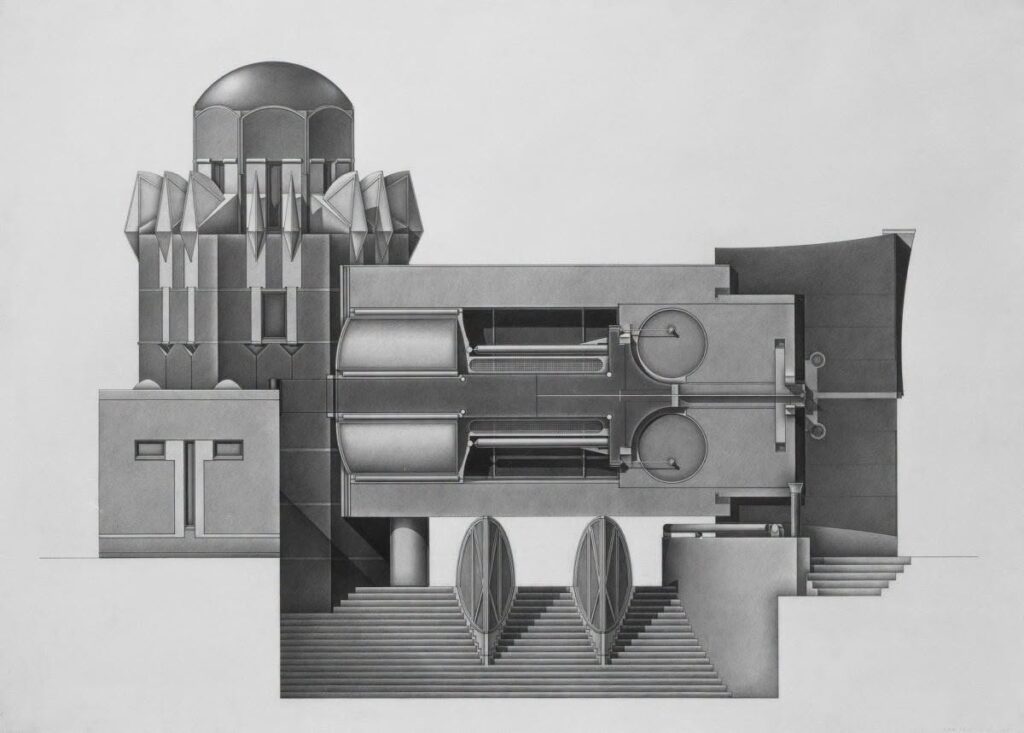
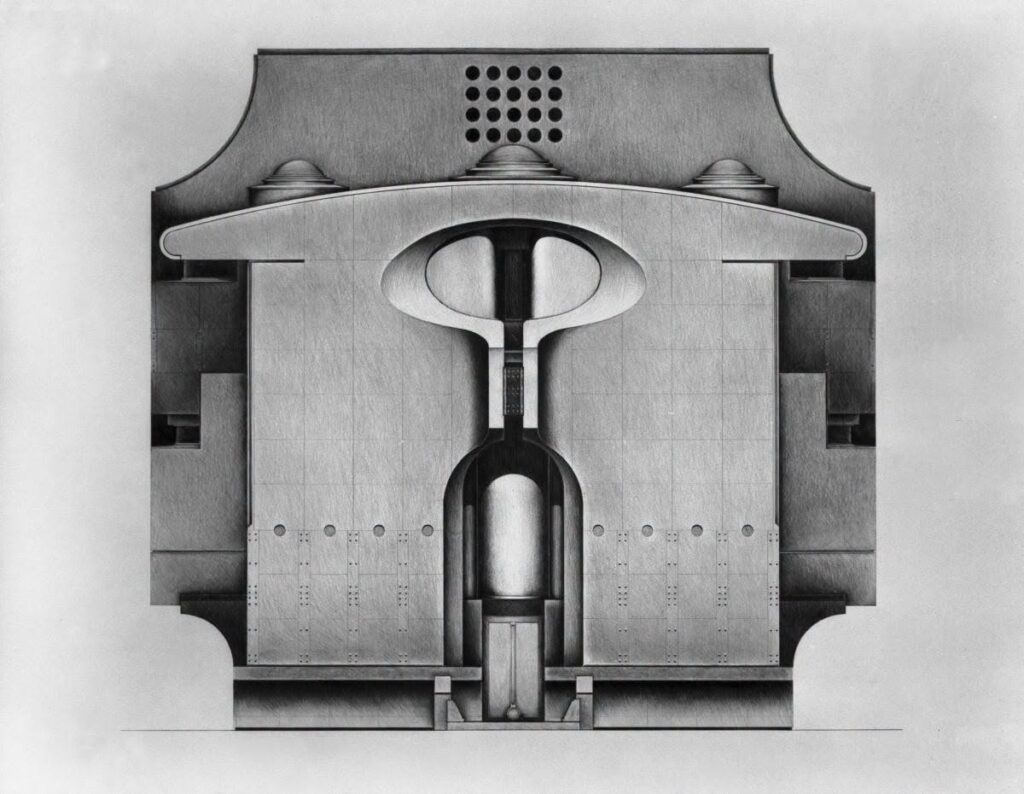
This understanding runs through Takamatsu’s work. His buildings refuse to exist as neutral containers for everyday life. They carry weight beyond their material presence, allowing structure, symbolism and imagination to occupy the same space. Function remains part of the equation, but never the entire answer.
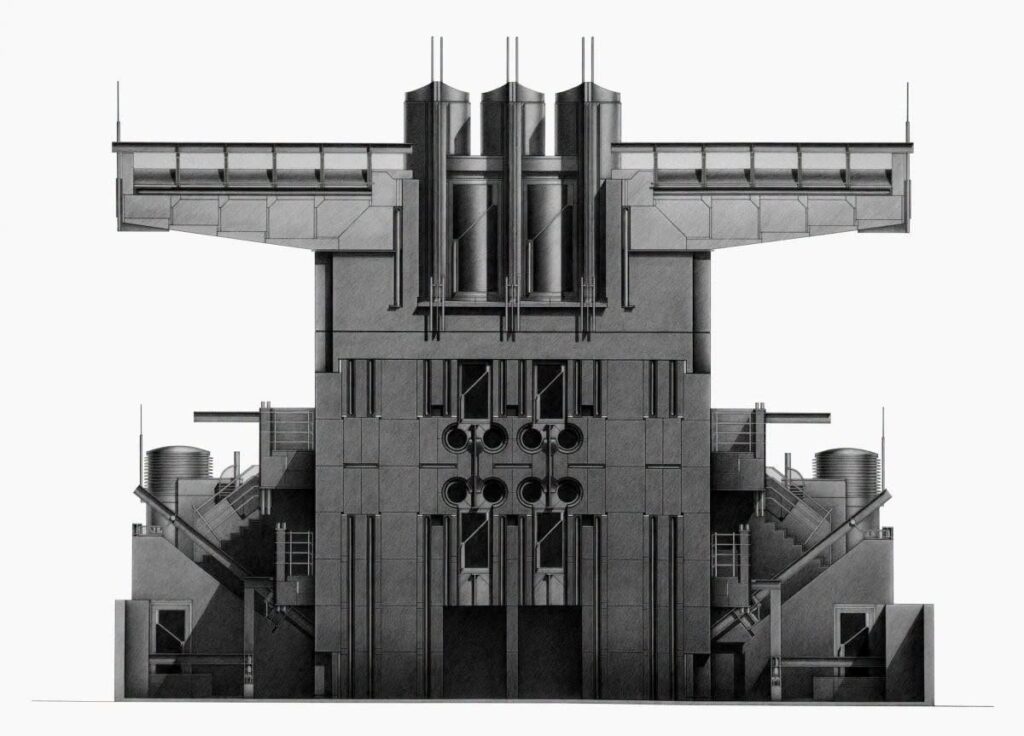
For Takamatsu, architecture begins before the drawing, before the construction site, before concrete meets steel. It begins with the attempt to understand what a building might mean, what kind of presence it can establish, and what ideas it can make visible.
A building is ultimately shaped by the materials that compose it. Architecture, however, begins somewhere else.
With thought.