Tesla has finally given its long-delayed second-generation Roadster a public debut, and the headline feature is something few would expect from a production-intended electric sports car: brief flight. At an event in Texas on October 15, the two-seat prototype drove upside down along a curved ramp, launched into the air, performed an aerial manoeuvre and returned to the ground using compressed-air thrusters developed with SpaceX. The demonstration also included a claimed 0–60 mph time of 0.81 seconds, putting Tesla’s most ambitious performance promises back in the spotlight.
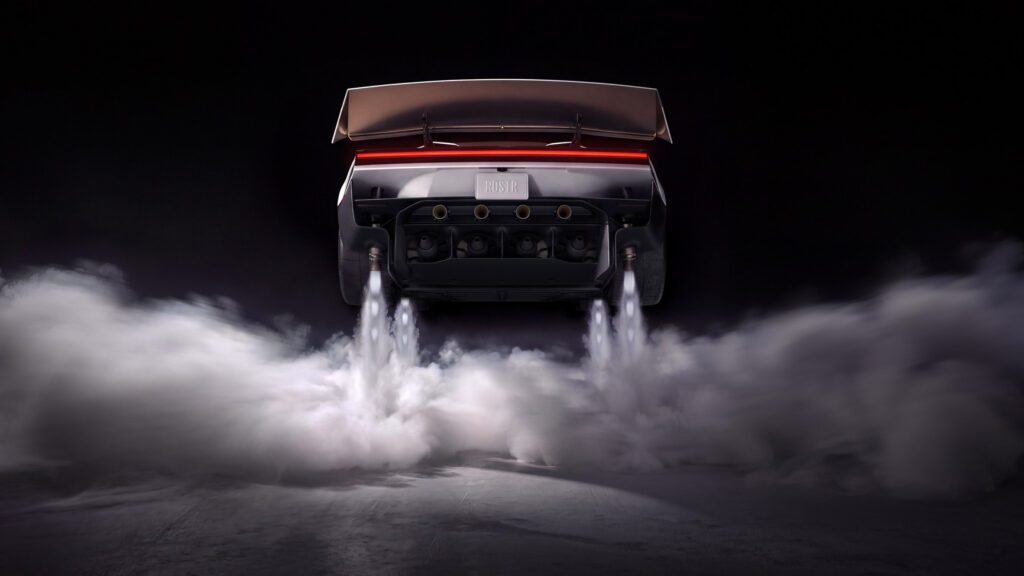
The stunt was designed around two distinct systems. A fan-based suction mechanism allowed the Roadster to travel along the inverted section of the ramp, with Tesla’s vehicle engineering chief, Lars Moravy, claiming the system could generate up to two Gs of suction. Once airborne, cold-gas thrusters helped rotate the car and control its descent. The demonstration was conducted through a pre-programmed sequence without a driver inside, a detail that matters when assessing how much of the spectacle translates into a usable road vehicle.
Tesla has not presented the flying capability as an ordinary feature of every Roadster configuration, and the legal status of such manoeuvres on public roads remains uncertain. Elon Musk acknowledged that success was not guaranteed before the demonstration. The technology is still experimental, and the event offered a glimpse of what the engineering team is attempting rather than proof that every promised capability is ready for everyday use.
A sports car with aerospace ambitions
Developed by Tesla and SpaceX, both led by Musk, the Roadster has been positioned as a meeting point between automotive engineering and aerospace technology. Musk described the project as a collaboration between the world’s best car company and the world’s best rocket company, a characteristically grand framing for a vehicle that has spent years surrounded by ambitious claims and shifting timelines.
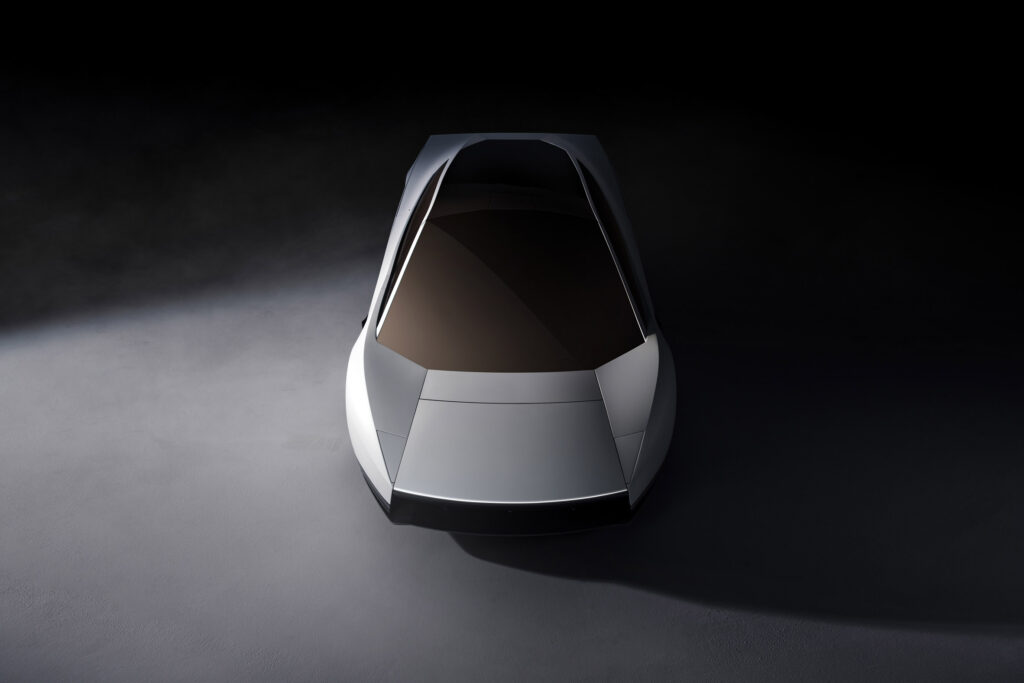
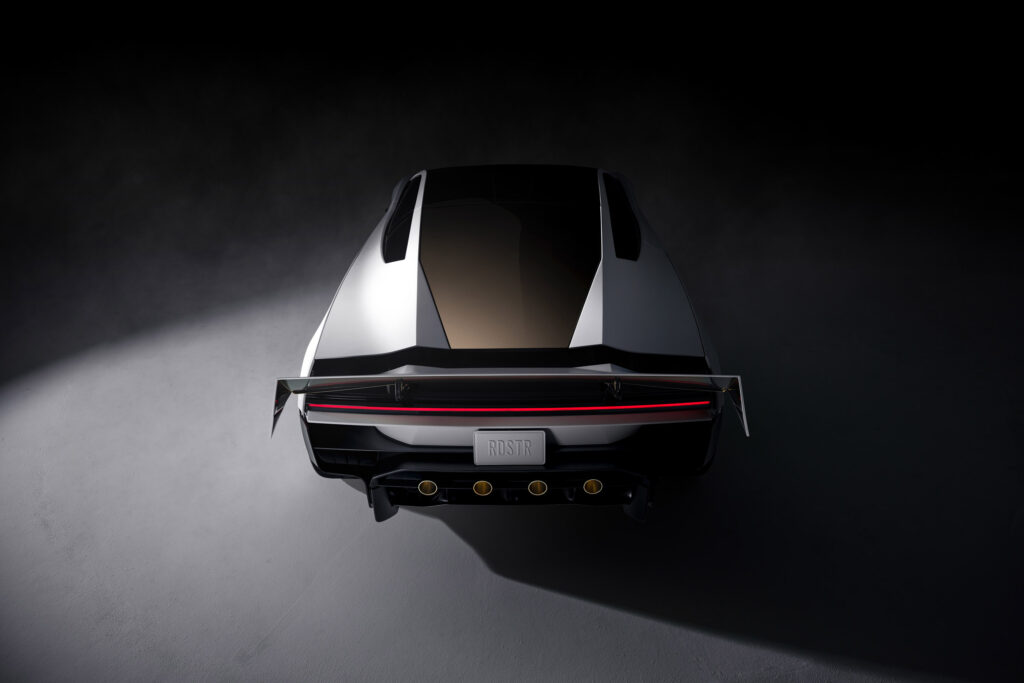
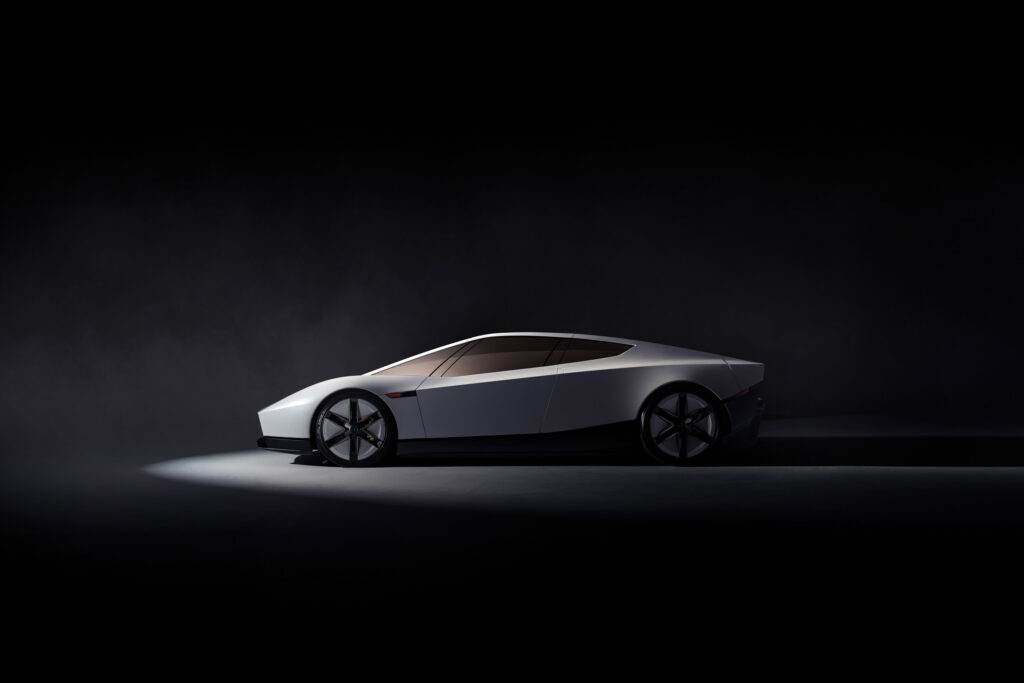
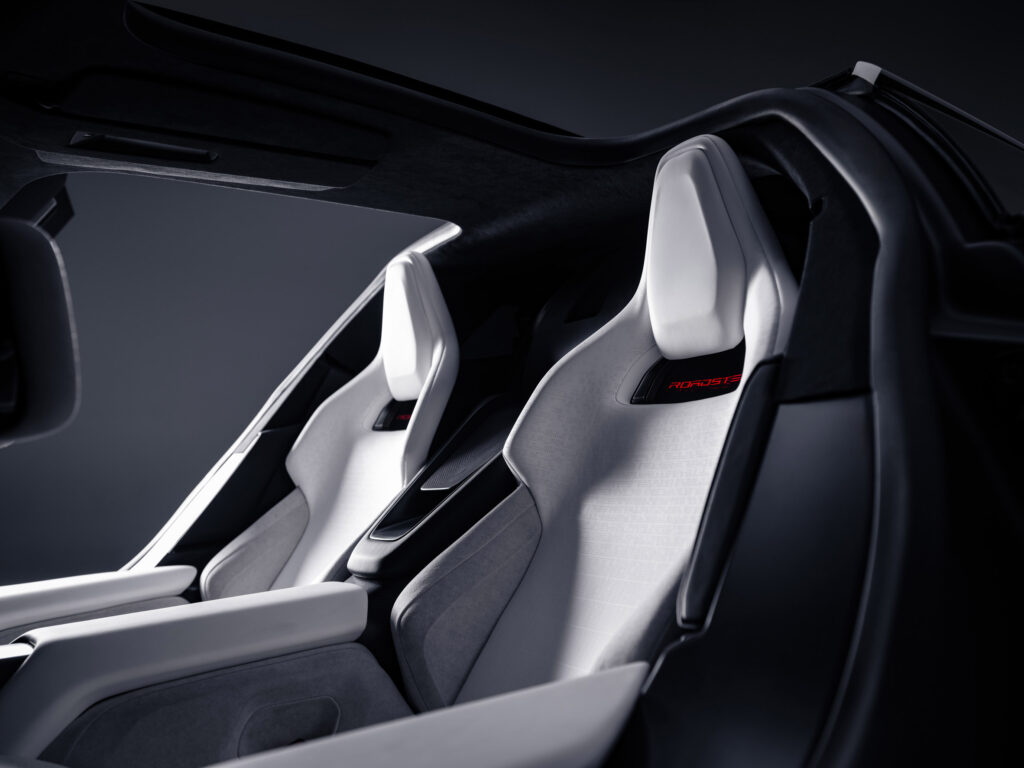
The exterior follows a sharply angular supercar design, with scissor doors, a hardtop roof and a deployable rear spoiler. Tesla chief designer Franz von Holzhausen has described its visual direction as an “aerospace aesthetic”, an idea reinforced by the thruster hardware and the car’s unusual movement during the reveal. Inside, the seats are moulded directly into the chassis, while steer-by-wire technology replaces the conventional mechanical connection between the steering wheel and the front wheels with electronic controls.

The thrusters are intended to serve another purpose on the road: acceleration. Tesla claims the system can help the Roadster reach 60 mph in just 0.81 seconds, a figure that would place it in extraordinary territory if reproduced under independently verified conditions. The company has also described the vehicle as the quickest production car to reach that speed, although the final specifications and the production configuration will determine how the claim holds up.
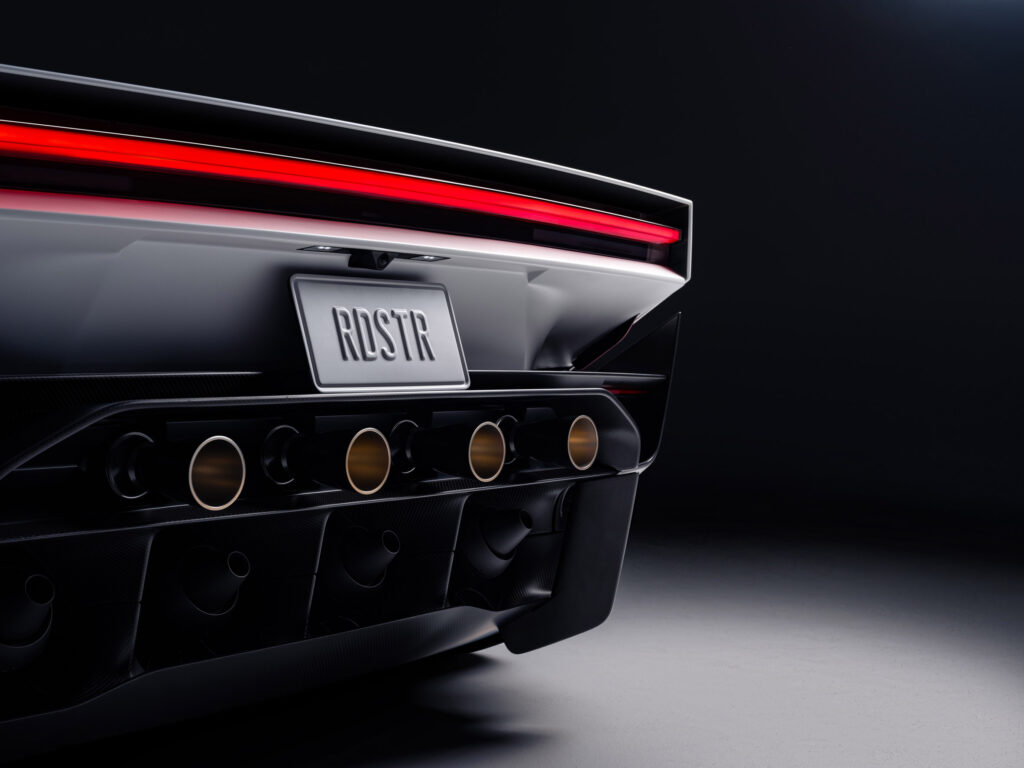
The compressed-air tanks are designed to be recharged and repressurised without conventional fuel, according to Tesla. That detail is central to the proposed system, though questions remain around packaging, weight, safety, maintenance and how the technology will operate outside a controlled demonstration environment.
Nearly a decade in the making
Tesla first introduced the second-generation Roadster in 2017, initially promising deliveries in 2020. The schedule repeatedly slipped, leaving the car in a prolonged state of anticipation as the company focused on expanding its electric vehicle range and developing autonomous driving systems. The latest demonstration puts the Roadster back into view, with production now targeted for 2028.
Musk has also suggested that the Roadster will be the only manually driven vehicle in Tesla’s future lineup, a comment that points to the company’s broader push toward driverless transport. The irony is that the Roadster’s most spectacular demonstration involved a car operating without a person at the controls, even as its positioning rests on the appeal of extreme performance and direct driver involvement.

For now, the flying Roadster remains a prototype surrounded by ambitious technical claims. The event showed that Tesla and SpaceX are willing to push the boundaries of what a car demonstration can look like, but production readiness will require far more than a successful launch and landing. With 2028 on the horizon, the next test is whether the engineering spectacle can become a vehicle customers can actually order, drive and maintain.